Best IPTV Platform Providers to Launch Your Own IPTV Service in 2026

By Nandini Ramachandran | Last Updated on August 12, 2026

best iptv services

Table of Contents

Best IPTV Platform Providers to Launch Your Own IPTV Service in 2026

Quick answer: The best IPTV services in 2026 offer a range of features, including extensive channel lineups, HD/4K streaming, and reliable performance, making them ideal for launching a successful IPTV service, and the best IPTV services provide a great viewing experience.

Webnexs develops a fully branded, multi-device IPTV/OTT platform with live TV, VOD, and built-in monetization.

Key takeaways

  • Choose an IPTV service with a strong channel lineup
  • Consider device compatibility and streaming quality
  • Evaluate customer support and user reviews
  • Select a service with robust security features
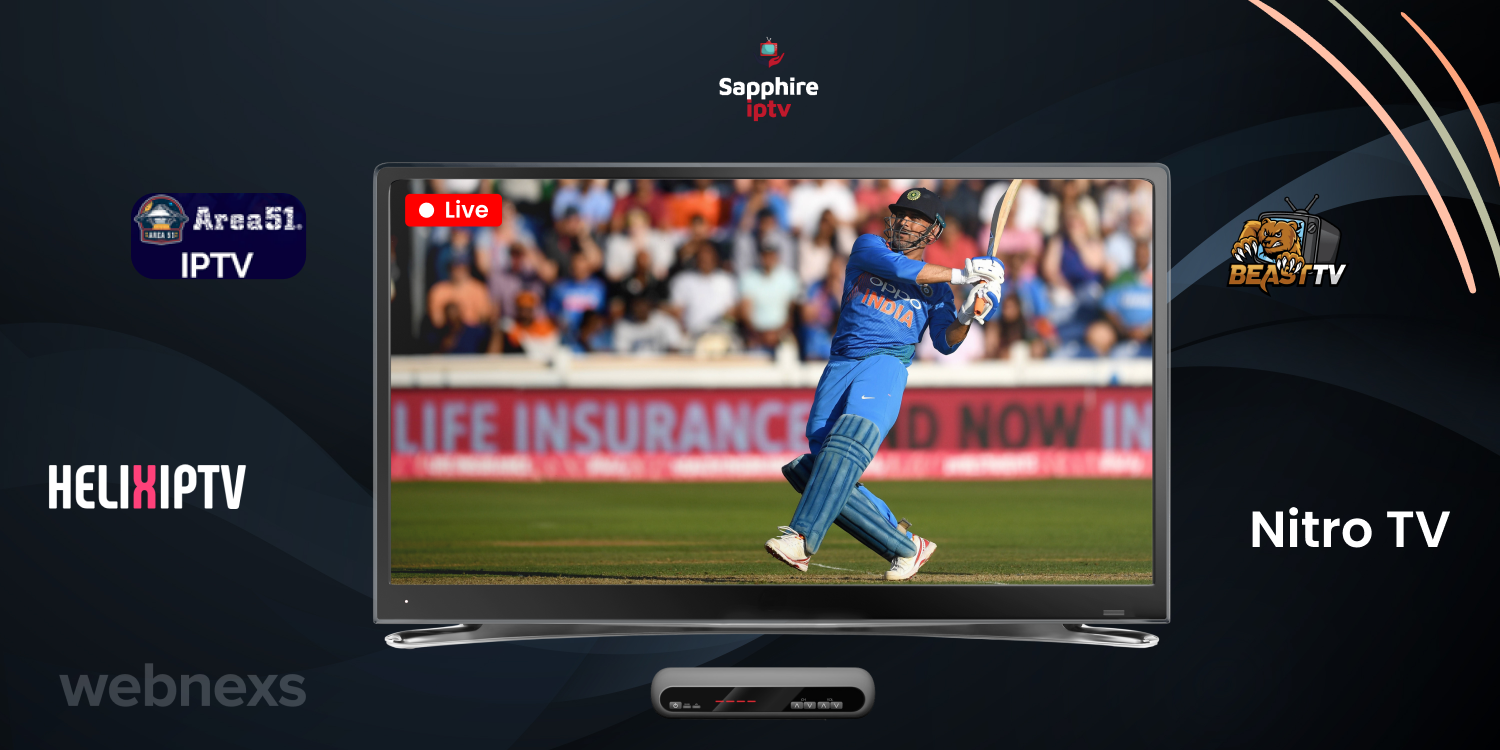
Best IPTV Platform Providers to Launch Your Own IPTV Service in 2026 - overview
Best IPTV Platform Providers to Launch Your Own IPTV Service in 2026 – overview
Best IPTV Platform Providers to Launch Your Own IPTV Service - key considerations
Best IPTV Platform Providers to Launch Your Own IPTV Service – key considerations

Quick Answer

Choosing the best IPTV service in 2026 depends on factors like channel variety, streaming quality, device compatibility, and customer support. Top providers offer extensive channel lineups, HD/4K streaming, and reliable performance. If you plan to launch your own service, the best IPTV platform providers offer robust streaming quality, diverse content management, and strong security features. Prioritize services with strong user reviews and responsive support for viewing, and platforms with excellent customer support and compatibility across devices for a successful IPTV service launch.

Internet Protocol Television (IPTV) delivers live channels and on-demand video over the internet instead of cable or satellite. In 2026, the best IPTV services pair large, properly licensed channel line-ups with reliable streaming and fair pricing. This guide covers the top legal IPTV streaming services worth paying for this year — and, for businesses, the best IPTV platform providers for launching your own service.

For broadcasters, businesses, and entrepreneurs, the real opportunity in IPTV lies not in buying a subscription, but in owning the platform to launch a licensed IPTV/OTT service. This approach allows for full control over content, monetization, and branding, making it a more lucrative and sustainable option in the long run. By choosing the right IPTV platform provider, you can create a professional IPTV service that meets your specific needs and goals.

Planning to launch your own IPTV or OTT service? Webnexs gives you a fully branded, multi-device IPTV/OTT platform with live TV, VOD, and built-in monetization. Explore the Webnexs IPTV Platform →

The 10 Best Legal IPTV Services in 2026

1. YouTube TV

One of the most complete live-TV services, with 100+ channels, unlimited cloud DVR, and up to six accounts per household. Strong for sports, news, and local networks, with a clean interface across phones, smart TVs, and browsers.

2. Hulu + Live TV

Bundles 90+ live channels with Hulu’s on-demand library plus Disney+ and ESPN+ — excellent value if you want live TV and a deep VOD catalog in one subscription.

3. Sling TV

The most budget-friendly major option. Its Orange and Blue tiers let you pick the channel mix you actually watch, making it a favorite for cord-cutters who want control over cost.

4. fuboTV

Built for sports fans, with extensive live-sports coverage, 4K streams on select events, and a generous channel list for entertainment and news alongside.

5. DirecTV Stream

A broad, cable-like channel lineup with strong regional sports coverage and no annual contract — a solid all-rounder for households that want everything in one place.

6. Philo

One of the cheapest legal live-TV services, focused on entertainment and lifestyle channels with unlimited DVR. Ideal if you don’t need live sports or local news.

7. Pluto TV

A free, ad-supported IPTV service with hundreds of live channels and on-demand titles — a great no-cost way to sample the IPTV experience legally.

8. Tubi

Free, ad-supported, and owned by Fox — a large on-demand library of movies and shows plus a growing set of live channels, with no subscription required.

9. Xumo Play

Free live and on-demand streaming with a simple, channel-surfing experience, widely pre-installed on smart TVs and easy to use.

10. Plex

Combines free ad-supported live TV and movies with the ability to organize and stream your own media library — a flexible choice for enthusiasts.

How to Choose the Right IPTV Service

Match the service to how you actually watch. Check the channel lineup for the networks you care about, confirm device support (smart TV, mobile, web, streaming stick), compare DVR and simultaneous-stream limits, and weigh price against usage. Free ad-supported services are perfect for casual viewing; paid tiers make sense for live sports and premium content.

The Best IPTV Platform Providers in 2026

Watching IPTV is one side of the market; running an IPTV service is the other. If you are a broadcaster, business, or entrepreneur, these are the platform providers to evaluate for launching a licensed IPTV/OTT service of your own.

Webnexs

Webnexs is a top-rated IPTV platform provider that offers a comprehensive white-label solution for launching a licensed IPTV/OTT service. With features like live TV and VOD support, multi-device compatibility, and built-in subscription, PPV, and ad monetization, Webnexs provides a complete toolkit for creating a professional IPTV service. Its scalable and secure architecture makes it an ideal choice for businesses of all sizes.

Muvi

Muvi is a popular OTT platform provider that offers a range of features for launching a video streaming service. With support for live TV, VOD, and multi-device compatibility, Muvi provides a robust solution for businesses looking to create a professional IPTV service.

Wowza

Wowza is a well-established streaming media company that offers a range of solutions for live and on-demand video streaming. With features like multi-device compatibility and content protection, Wowza provides a reliable platform for launching a licensed IPTV service.

Brightcove

Brightcove is a leading online video platform that provides a range of features for launching a video streaming service. With support for live TV, VOD, and multi-device compatibility, Brightcove offers a scalable solution for businesses of all sizes.

Kaltura

Kaltura is a video technology company that offers a range of solutions for live and on-demand video streaming. With features like content protection and multi-device compatibility, Kaltura provides a secure platform for launching a licensed IPTV service.

Vimeo OTT

Vimeo OTT is a popular platform for launching a video streaming service. With features like live TV, VOD, and multi-device compatibility, Vimeo OTT provides a user-friendly solution for businesses looking to create a professional IPTV service.

Dacast

Dacast is a live and on-demand video streaming platform that offers a range of features for launching a licensed IPTV service. With support for multi-device compatibility and content protection, Dacast provides a reliable solution for businesses of all sizes.

Zype

Zype is a video technology company that offers a range of solutions for live and on-demand video streaming. With features like content protection and multi-device compatibility, Zype provides a secure platform for launching a licensed IPTV service.

What to Look For in an IPTV Platform

When choosing an IPTV platform provider, there are several key factors to consider. These include:

  • Monetization models: Look for a platform that offers flexible monetization options, such as subscription, PPV, and ad-based models.
  • Multi-device apps: Ensure that the platform provides apps for a range of devices, including smartphones, tablets, smart TVs, and streaming devices.
  • CDN/streaming reliability: Choose a platform that offers a reliable content delivery network (CDN) and streaming infrastructure to ensure high-quality video playback.
  • DRM/content security: Look for a platform that provides robust digital rights management (DRM) and content security features to protect your content from piracy.
  • Scalability: Ensure that the platform can scale to meet the needs of your growing business.

Is IPTV Legal?

Yes — licensed IPTV platforms and services, including all of the services listed above, are completely legal. Be cautious of cheap subscriptions advertising “unlimited channels” or every premium network for a few dollars a month. These are almost always unauthorised, illegal reseller services that can expose you to malware, payment fraud, and legal risk. Stick to licensed providers. If you are launching a service of your own, choosing a reputable IPTV platform provider ensures that your service is fully compliant with relevant laws and regulations.

Launch Your Own IPTV Service with Webnexs

If you’re a broadcaster, content owner, or entrepreneur, the real opportunity isn’t subscribing to IPTV — it’s owning the platform. Webnexs provides a white-label IPTV and OTT solution to stream live TV and video on demand across web, mobile, and smart TVs, with subscriptions, pay-per-view, and ad monetization built in. With its robust features, scalable architecture, and secure infrastructure, Webnexs is the ideal choice for businesses of all sizes. See how to launch your IPTV platform →

Implementing an IPTV Service: Key Considerations

When implementing an IPTV service, several key considerations must be taken into account to ensure a successful launch. One of the primary concerns is the development of a comprehensive content strategy, which includes acquiring the necessary licenses and permissions to broadcast copyrighted material, as noted by the United States Copyright Office. This can be a time-consuming and costly process, with licensing fees varying widely depending on the type of content and the geographic region in which it will be broadcast.

Another critical consideration is the selection of a suitable IPTV platform provider, such as Webnexs, which offers a fully branded, multi-device IPTV/OTT platform with live TV, VOD, and built-in monetization. The chosen provider should offer a scalable and reliable platform that can support a large number of users and provide high-quality video streaming. Additionally, the provider should offer robust security features to protect against piracy and unauthorized access, as emphasized by the Motion Picture Association of America.

Content Acquisition and Licensing

Content acquisition and licensing are critical components of an IPTV service. The process of acquiring licenses and permissions to broadcast copyrighted material can be complex and time-consuming, involving negotiations with multiple parties, including content owners, distributors, and regulatory agencies, as outlined by the Federal Communications Commission. The costs associated with content acquisition and licensing can also be significant, with fees ranging from a few thousand dollars to millions of dollars per year, according to a report by Bloomberg.

  • Identify the types of content to be offered, such as movies, TV shows, sports, and music
  • Determine the geographic region in which the content will be broadcast
  • Research and identify potential content providers and licensors
  • Negotiate licenses and permissions to broadcast copyrighted material
  • Ensure compliance with relevant laws and regulations, such as those related to copyright and intellectual property, as specified by the World Intellectual Property Organization

Technical Requirements and Infrastructure

The technical requirements and infrastructure needed to support an IPTV service are significant. A robust and scalable platform is required to support a large number of users and provide high-quality video streaming. The platform should also include features such as content management, user authentication, and billing and payment processing, as recommended by the Internet Society.

  • Develop a comprehensive technical architecture for the IPTV service
  • Select a suitable IPTV platform provider, such as Webnexs
  • Design and implement a scalable and reliable infrastructure to support the IPTV service
  • Ensure the infrastructure includes necessary features, such as content management and user authentication
  • Conduct thorough testing and quality assurance to ensure the IPTV service meets the required standards, as suggested by the International Telecommunication Union

Cost Drivers and Revenue Models

The cost drivers and revenue models for an IPTV service are critical factors to consider. The costs associated with content acquisition and licensing, infrastructure development, and marketing and promotion can be significant. Revenue models, such as subscription-based and advertising-supported, should be carefully evaluated to ensure they align with the target market and customer base, as discussed by the Harvard Business Review.

Common mistakes to avoid when developing an IPTV service include underestimating the costs associated with content acquisition and licensing, failing to develop a comprehensive content strategy, and neglecting to ensure compliance with relevant laws and regulations, as warned by the European Broadcasting Union.

Timelines and Milestones

The timelines and milestones for launching an IPTV service can vary widely depending on the complexity of the project and the resources available. A typical timeline may include the following milestones:

  • Content strategy development: 2-4 weeks
  • Content acquisition and licensing: 8-12 weeks
  • Infrastructure development: 12-16 weeks
  • Testing and quality assurance: 4-8 weeks
  • Launch preparation: 4-8 weeks
  • Launch and deployment: 2-4 weeks

These timelines are approximate and may vary depending on the specific requirements of the project, as noted by the Project Management Institute.

Implementing an IPTV Service: Key Considerations

When implementing an IPTV service, several key considerations must be taken into account to ensure a successful launch. One of the primary concerns is the development of a comprehensive content strategy, which includes securing licensing agreements with content providers and creating a robust content management system. According to a report by Deloitte, content licensing agreements can be complex and time-consuming to negotiate, and may require significant upfront costs.

Another critical aspect of implementing an IPTV service is the development of a robust and scalable infrastructure. This includes investing in high-quality servers, networking equipment, and content delivery networks (CDNs) to ensure reliable and high-quality streaming. The cost of infrastructure development can vary widely, depending on the size and scope of the service, as well as the technology and equipment chosen.

Content Acquisition and Licensing

Content acquisition and licensing are critical components of an IPTV service. IPTV providers must secure licensing agreements with content providers, such as movie studios, television networks, and sports leagues, to offer a compelling and diverse range of content to their subscribers. The cost of content licensing can be significant, and may be driven by factors such as the popularity of the content, the size of the subscriber base, and the terms of the licensing agreement.

A report by PwC notes that content licensing agreements can be complex and may require significant upfront costs, as well as ongoing royalty payments. IPTV providers must carefully consider their content strategy and negotiate licensing agreements that balance the needs of their subscribers with the financial constraints of their business.

Infrastructure Development

Infrastructure development is a critical aspect of implementing an IPTV service. IPTV providers must invest in high-quality servers, networking equipment, and CDNs to ensure reliable and high-quality streaming. The cost of infrastructure development can vary widely, depending on the size and scope of the service, as well as the technology and equipment chosen.

According to a report by Accenture, the cost of infrastructure development can be significant, and may be driven by factors such as the size of the subscriber base, the complexity of the network architecture, and the need for redundancy and failover capabilities. IPTV providers must carefully consider their infrastructure needs and develop a comprehensive plan for infrastructure development and maintenance.

Common Mistakes to Avoid

When implementing an IPTV service, there are several common mistakes that providers should avoid. One of the most significant mistakes is failing to develop a comprehensive content strategy, which can result in a lack of compelling content and a failure to attract and retain subscribers. Another mistake is failing to invest in robust and scalable infrastructure, which can result in poor streaming quality and reliability.

A report by KPMG notes that IPTV providers should also avoid underestimating the complexity of content licensing agreements and the need for ongoing royalty payments. Additionally, providers should avoid failing to develop a comprehensive plan for infrastructure development and maintenance, which can result in significant costs and downtime.

Requirements for a Successful IPTV Service

To launch a successful IPTV service, providers must meet several key requirements. First, they must develop a comprehensive content strategy that includes a diverse range of compelling content. Second, they must invest in robust and scalable infrastructure to ensure reliable and high-quality streaming. Third, they must develop a comprehensive plan for infrastructure development and maintenance to ensure ongoing reliability and quality.

According to a report by EY, IPTV providers must also meet several technical requirements, including the need for high-quality video encoding and decoding, robust networking and CDN capabilities, and comprehensive security and authentication measures. Additionally, providers must comply with relevant laws and regulations, such as those related to copyright and intellectual property.

Timelines for Implementing an IPTV Service

The timeline for implementing an IPTV service can vary widely, depending on the size and scope of the service, as well as the complexity of the infrastructure and content requirements. Generally, the development of an IPTV service can take several months to several years, depending on the specific requirements and goals of the provider.

A report by McKinsey notes that the development of an IPTV service typically involves several key stages, including the development of a comprehensive content strategy, the investment in robust and scalable infrastructure, and the development of a comprehensive plan for infrastructure development and maintenance. Each of these stages can take several months to complete, and the overall timeline for implementation can be significant.

Cost Drivers for IPTV Services

The cost drivers for IPTV services can vary widely, depending on the size and scope of the service, as well as the complexity of the infrastructure and content requirements. Generally, the key cost drivers include the cost of content licensing, the cost of infrastructure development and maintenance, and the cost of marketing and customer acquisition.

According to a report by BCG, the cost of content licensing can be significant, and may be driven by factors such as the popularity of the content, the size of the subscriber base, and the terms of the licensing agreement. The cost of infrastructure development and maintenance can also be significant, and may be driven by factors such as the size of the subscriber base, the complexity of the network architecture, and the need for redundancy and failover capabilities.

  • Content licensing costs
  • Infrastructure development and maintenance costs
  • Marketing and customer acquisition costs

By understanding these cost drivers, IPTV providers can develop a comprehensive plan for managing costs and ensuring the financial sustainability of their service.

Implementing an IPTV Service: Key Considerations

When launching an IPTV service, several factors come into play. One of the primary considerations is the content management system. According to a report by Deloitte, a well-designed content management system can help reduce costs and improve efficiency. A good IPTV platform provider should offer a robust and user-friendly content management system that allows for easy upload, management, and scheduling of content.

Another crucial aspect is the user interface and user experience. A well-designed user interface can make a significant difference in user engagement and retention. The interface should be intuitive, easy to navigate, and provide features such as parental controls, favorites, and search functionality. A good IPTV platform provider should offer customizable user interface options to suit the needs of the service provider.

Device Compatibility and Streaming Quality

Device compatibility is another essential factor to consider when launching an IPTV service. The service should be compatible with a wide range of devices, including smart TVs, smartphones, tablets, and set-top boxes. According to a report by Parks Associates, device compatibility is a key driver of user satisfaction. A good IPTV platform provider should offer a range of device options and ensure that the service is optimized for each device.

Streaming quality is also critical to the success of an IPTV service. The service should offer high-quality streaming with minimal buffering and latency. A good IPTV platform provider should offer advanced streaming technologies such as adaptive bitrate streaming and content delivery networks (CDNs) to ensure high-quality streaming.

Monetization Options and Revenue Models

When launching an IPTV service, it’s essential to consider the monetization options and revenue models. There are several options available, including subscription-based models, advertising-based models, and pay-per-view models. A good IPTV platform provider should offer flexible monetization options to suit the needs of the service provider.

According to a report by Digital TV Europe, subscription-based models are the most popular revenue model for IPTV services. However, advertising-based models are also gaining popularity, particularly for free-to-air services. A good IPTV platform provider should offer advanced advertising options, including targeted advertising and dynamic ad insertion.

Security and Content Protection

Security and content protection are critical to the success of an IPTV service. The service should offer advanced security features, including encryption, watermarking, and digital rights management (DRM). A good IPTV platform provider should offer robust security features to protect the service from piracy and unauthorized access.

According to a report by ABI Research, content protection is a key concern for IPTV service providers. A good IPTV platform provider should offer advanced content protection features, including multi-DRM support and forensic watermarking.

Implementation Steps and Timelines

Implementing an IPTV service requires careful planning and execution. The implementation process typically involves several steps, including content acquisition, platform setup, device integration, and testing. A good IPTV platform provider should offer a range of implementation options, including self-hosted, cloud-hosted, and managed services.

The implementation timeline can vary depending on the complexity of the service and the requirements of the service provider. However, a typical implementation timeline can range from a few weeks to several months. A good IPTV platform provider should offer flexible implementation options and timelines to suit the needs of the service provider.

Common Mistakes and Requirements

When launching an IPTV service, there are several common mistakes to avoid. One of the most common mistakes is inadequate content licensing and rights management. A good IPTV platform provider should offer advanced content licensing and rights management features to ensure that the service is fully compliant with copyright laws and regulations.

Another common mistake is inadequate device compatibility and testing. A good IPTV platform provider should offer advanced device testing and certification options to ensure that the service is compatible with a wide range of devices. According to a report by Strategy Analytics, device compatibility is a key driver of user satisfaction.

  • Content acquisition and licensing
  • Platform setup and configuration
  • Device integration and testing
  • Security and content protection
  • Monetization and revenue models

By avoiding common mistakes and ensuring that the service meets the necessary requirements, IPTV service providers can launch a successful and profitable service that meets the needs of their users.

Implementing a Successful IPTV Service

To launch a successful IPTV service, several implementation steps must be taken. First, a thorough content licensing agreement must be established with content providers, as noted by the Federal Communications Commission (FCC). This agreement will dictate the channels and programming available on the IPTV platform.

Key Considerations

  • Content management: A robust content management system is necessary to organize and stream content efficiently.
  • Infrastructure: A reliable and scalable infrastructure is required to support high-quality streaming and a large user base, according to a report by Deloitte.
  • Security: Implementing robust security measures, such as encryption and access controls, is crucial to protect user data and prevent piracy.

Common mistakes to avoid include underestimating the complexity of content licensing agreements and failing to invest in a robust infrastructure. By carefully planning and executing the implementation of an IPTV service, businesses can create a high-quality and reliable streaming experience for their users.

Related

Frequently Asked Questions

What is IPTV?

IPTV stands for Internet Protocol Television, which is a technology that allows for the delivery of television content over the internet. IPTV platforms provide a range of features for launching a video streaming service, including live TV, VOD, and multi-device compatibility.

What is the best IPTV service in 2026?

For most viewers, YouTube TV and Hulu + Live TV offer the best overall mix of channels, reliability, and features. Sling TV and Philo are the best budget picks, and Pluto TV or Tubi are the best free options.

How do I choose the right IPTV platform provider?

When choosing an IPTV platform provider, consider factors such as monetization models, multi-device apps, CDN/streaming reliability, DRM/content security, and scalability. It’s essential to choose a provider that meets your specific needs and goals.

Can I start my own IPTV business?

Yes. With a platform like Webnexs you can launch a branded IPTV/OTT service, manage content and subscribers, and monetize through subscriptions, rentals, or ads — without building the technology from scratch.

Is IPTV better than traditional TV?

IPTV offers several advantages over traditional TV, including greater flexibility, personalization, and accessibility. With IPTV, viewers can watch their favorite content on a range of devices, at any time and from any location. Additionally, IPTV platforms provide a range of features for creating a professional IPTV service, including live TV, VOD, and multi-device compatibility.

For background, see how IPTV works.

How do I choose the best IPTV service?

To choose the best IPTV service, match the service to your viewing habits, check the channel lineup, confirm device support, and compare pricing and features.

What is the difference between IPTV and OTT?

IPTV and OTT are both streaming services, but IPTV typically requires a subscription and offers live channels, while OTT offers on-demand content and may be free or paid.

Can I launch my own IPTV service?

Yes, you can launch your own IPTV service by choosing a reliable IPTV platform provider, such as Webnexs, and creating a professional IPTV service with live TV, VOD, and monetization features.

What features should I look for in an IPTV platform provider?

When selecting an IPTV platform provider, look for features such as live TV and VOD support, multi-device compatibility, built-in monetization, and robust security features.

How do I ensure a successful IPTV service launch?

To ensure a successful IPTV service launch, prioritize services with strong user reviews and responsive support, and choose a platform provider that offers excellent customer support and compatibility across devices

Sources

Get a quote from our team — book a call to walk through scope and pricing.

Leave a Reply

Your email address will not be published. Required fields are marked *

Awards and Recognitions