
Quick Answer
The article highlights top multi-vendor marketplace platforms for 2026, focusing on features like scalability, vendor management, and user experience. It emphasizes platforms that support diverse business models and integrate advanced tools for efficient operations, catering to both sellers and buyers in a competitive eCommerce environment.
Hey there!
The global eCommerce economy in 2026 is defined by platforms not products. Marketplaces now dominate digital commerce because they scale faster diversify revenue streams and create powerful network effects. As businesses compete to build resilient digital ecosystems choosing the right multi vendor marketplace platform has become a strategic decision rather than a technical one. We see brands moving beyond single storefronts into all in one marketplace models that empower sellers attract buyers and unlock exponential growth.
Before comparing these platforms, see our complete guide on how to build a marketplace website from the ground up.
In this guide we present a deeply researched list of the 10 best multi vendor marketplace platforms for eCommerce in 2026 built for performance scalability and long term success. This article is written from a strategic perspective for founders enterprises and anyone working with a multi vendor marketplace developer to launch or scale a high impact platform.
Let’s get to the point!
This blog covers everything you need to know about multivendor marketplace platforms. We’ll discuss their main benefits, challenges, and the top 10 best multi vendor marketplace platforms to consider.
Whether you need scalability, customization, or easy vendor management, this guide will help you understand these multi vendor platforms and pick the best one for your business.
Launch your Best Multi vendor Marketplace Platform Now!
What is a multi vendor marketplace platform?
A multi vendor marketplace is a place where lots of sellers can sell their things on one website.. Instead of managing inventory directly the marketplace owner provides the infrastructure payments discovery and trust layer. Vendors focus on selling while the platform scales the ecosystem.
From a technology standpoint a multi vendor marketplace platform includes vendor onboarding dashboards product and order management commission engines payout systems and role based access. These platforms power everything from global B2C retail to niche B2B procurement hubs and C2C rental networks.
In 2026 the marketplace model is no longer limited to physical goods. We see marketplaces for digital products services subscriptions logistics education healthcare and even AI models. This evolution makes multi vendor marketplace development one of the most valuable investments in digital commerce today.
Why Multi Vendor Marketplace Platform Matters in 2026
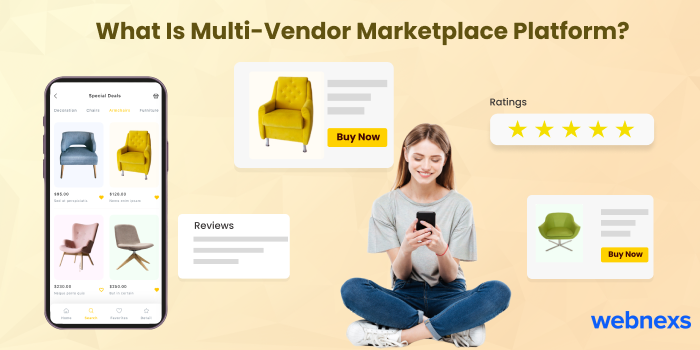
Multi vendor marketplace platform is an ecommerce platform that allows multiple vendors to sell their products or services through a single website or app.
Consumer behavior has permanently shifted toward choice convenience and trust. Buyers expect competitive pricing fast fulfillment and multiple options in one place. Vendors expect access to traffic marketing tools and frictionless operations. A vendor marketplace bridges these expectations at scale.
In 2026 rising acquisition costs and shrinking margins make single brand eCommerce increasingly difficult. Marketplaces distribute risk while increasing lifetime value. For platform owners revenue comes from commissions subscriptions advertising and value added services. For vendors a shared ecosystem reduces overhead and accelerates growth.Regulatory compliance payments automation and AI driven personalization are now baseline expectations. A modern multivendor ecommerce website that fails to deliver these experiences loses relevance quickly. That is why platform choice matters more than ever.
With this kind of online marketplace software, businesses can create a unified software where sellers handle their products, and the marketplace takes care of payments, transactions, and commissions.
Launch your Best Multi vendor Marketplace Platform Now!
How does a Multi Vendor marketplace work?
A marketplace operates through a centralized system where the platform owner manages technology governance and monetization. Vendors register create storefronts upload products manage inventory and fulfill orders. Buyers browse compare and purchase through a single checkout experience.
Behind the scenes the platform automates commission calculation tax handling payouts dispute resolution and analytics. These online platforms use intelligence to figure out the best prices and find fake transactions. This makes a system that gets better and better as more people join.
Multi Vendor Marketplace versus Single Vendor Store: Important Differences
A vendor store is simple. It can only get bigger if it has products, money to spend and advertising. A marketplace is different. It grows fast because new vendors bring their own products, customers and new ideas. Marketplaces get bigger faster they can change easily when people want things and they can protect themselves from competition because many vendors are working together. The more vendors that join a marketplace the stronger it becomes. This is because marketplaces, like these have vendors who work together to make the system better.
Key Trends Shaping the Best Multi Vendor Marketplace Platforms in 2026
1. AI-Powered Vendor Management & Personalization
AI now drives onboarding risk scoring dynamic commissions personalized storefronts and buyer recommendations. Platforms that embed AI across the vendor lifecycle outperform traditional systems in retention and revenue per user.
2. Headless And Composable Commerce Architecture
The headless platforms separate the frontend and the backend which allows for innovation and better experiences across all channels. This composable commerce architecture lets businesses use the services instead of being stuck with one big system.
3. Embedded Payments And B2B Marketplace Growth
Native wallets split payments escrow and instant payouts are critical. B2B marketplaces are growing rapidly with features like negotiated pricing bulk ordering and invoice based payments.
4. Mobile-First & Progressive Web App (PWA) Marketplaces
In many regions mobile accounts for over 70 percent of marketplace traffic. PWA technology ensures app like performance without app store friction making it essential for global scale.
Launch your Best Multi vendor Marketplace Platform Now!
How to pick the right Multi-Vendor marketplace platform for your business
1. Figure out Your Business Type
Each model requires different workflows pricing logic and compliance features. B2B needs RFQs and credit terms. C2C needs trust and moderation. B2C needs scale and automation.
2. Evaluate Platform Architecture (SaaS vs. Open Source)
SaaS Multi Vendor Platforms — Pros & Cons
SaaS platforms offer speed reliability and lower upfront costs. They are ideal for startups and fast launches but may limit deep customization and data ownership.
Open Source Multi Vendor Marketplace Software
Open source platforms provide full control extensibility and scalability. They require technical expertise but are preferred for enterprises and long term platform ownership.
3. Must-Have Features in a 2026 Multi Vendor Marketplace Platform
Core features include vendor dashboards commission management automated payouts advanced analytics AI search mobile optimization security compliance and API extensibility.
4. Pricing Models — Commission Subscription & Freemium
The best platforms support hybrid monetization. Commission ensures aligned growth subscriptions stabilize revenue and freemium lowers entry barriers for vendors.
5. Scalability Security & Compliance Checklist
We recommend platforms with cloud native infrastructure global CDN support PCI DSS compliance GDPR readiness and modular scaling capabilities.
Top Multi Vendor Marketplace Platforms in 2026 — Side-by-Side Comparison Table
Here’s a comparison table format for choosing the best multi-vendor marketplace Platform:
| Platform | Best For | Deployment | Customization | Ideal Use Case |
| Webnexs | Multi Vendor Marketplace | SaaS | High | Enterprise B2B B2C |
| Wcart | Startups | SaaS | Medium | MVP Launch |
| Yo!Kart | White Label | Self Hosted | High | Regional Marketplaces |
| Shopify Plus | Large Retail | SaaS | Medium | shopify multivendor marketplace |
| CS-Cart | Vendor Management | Self Hosted | High | Multi Category Retail |
| Adobe Commerce | Open Source | Self Hosted | Very High | Enterprise Scale |
| Mirakl | B2B Enterprise | SaaS | Medium | Procurement Platforms |
| WooCommerce | WordPress | Plugin | Medium | Content Driven Stores |
| Sharetribe | Services Rentals | SaaS | Medium | C2C Platforms |
| Shipturtle | Shopify App | SaaS | Low | Shopify Extensions |
10 Best Multi Vendor Marketplace Platforms to Launch Your eCommerce Business in 2026
1. Webnexs — Best Multi Vendor Marketplace Platform for Customization And Headless Commerce
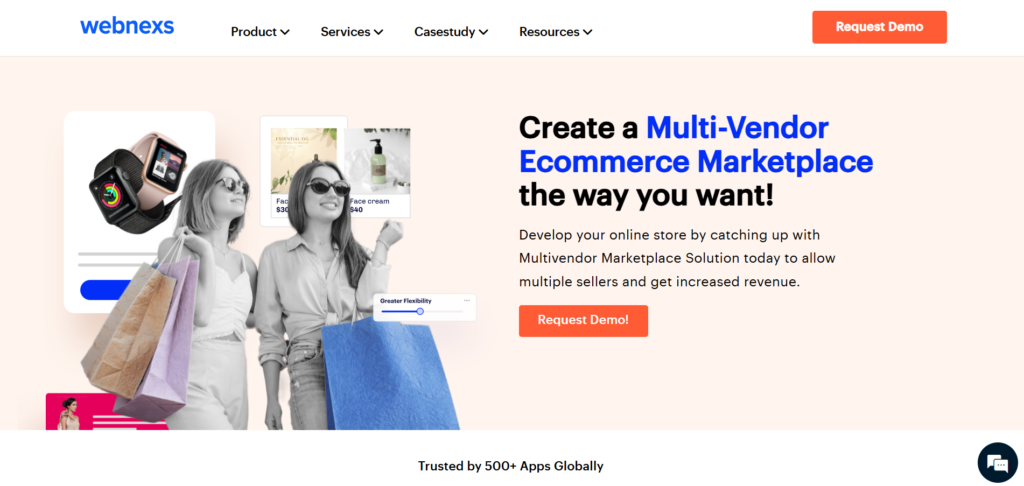
Webnexs leads in flexibility and composable architecture. Built for businesses that want full control Webnexs supports B2B B2C and hybrid marketplaces with headless capabilities. It is a top choice for companies working with a multi vendor marketplace developer to build proprietary platforms.
Webnexs Key Features
AI powered vendor management headless APIs embedded payments advanced analytics and enterprise grade security.
Launch your Best Multi vendor Marketplace Platform Now!
2. Wcart — Best Multi Vendor Marketplace Platform for Startups
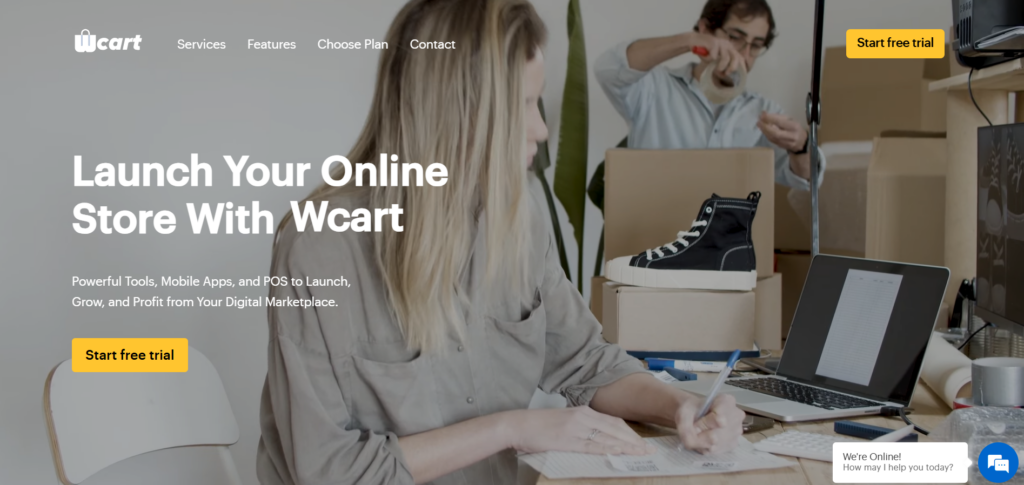
Wcart focuses on rapid deployment with essential features. It is ideal for founders validating ideas before scaling into complex ecosystems.
3. Yo!Kart — Best for One-Time License & White-Label Marketplaces
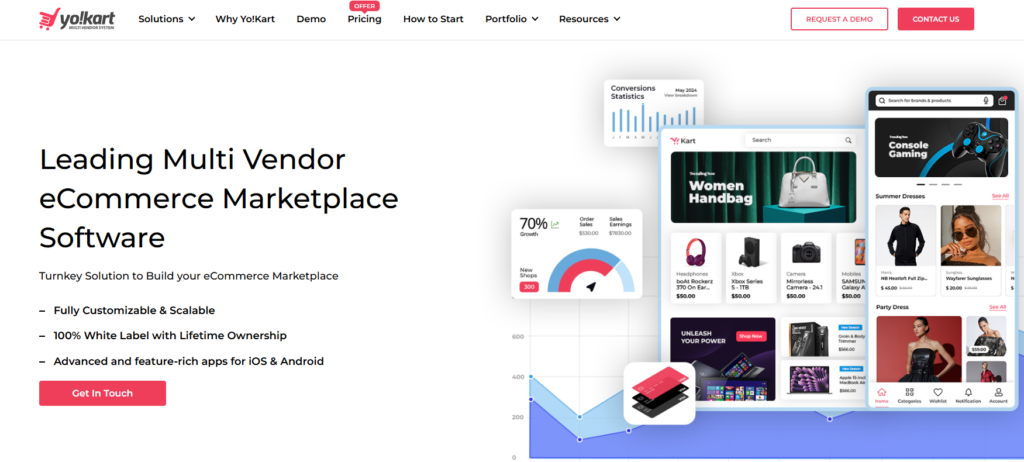
Yo!Kart offers a cost effective white label solution with strong vendor management and localization support.
4. Shopify Plus is perfect for retailers who want a reliable and fast multivendor marketplace platform.
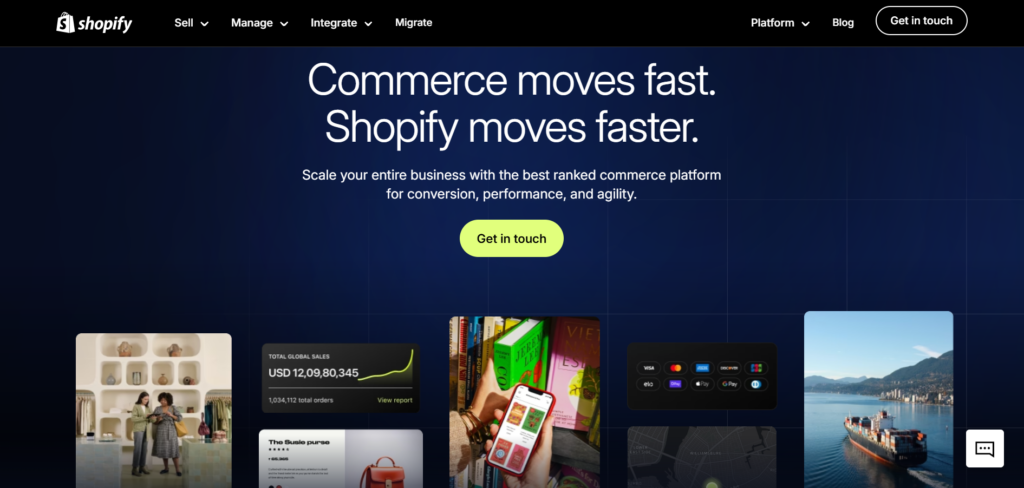
Shopify Plus works well with marketplace apps and this is why big brands like it. They get the reliability and speed they need within the Shopify ecosystem.
5. CS-Cart Multi-Vendor is the choice for managing vendors and it is very flexible.
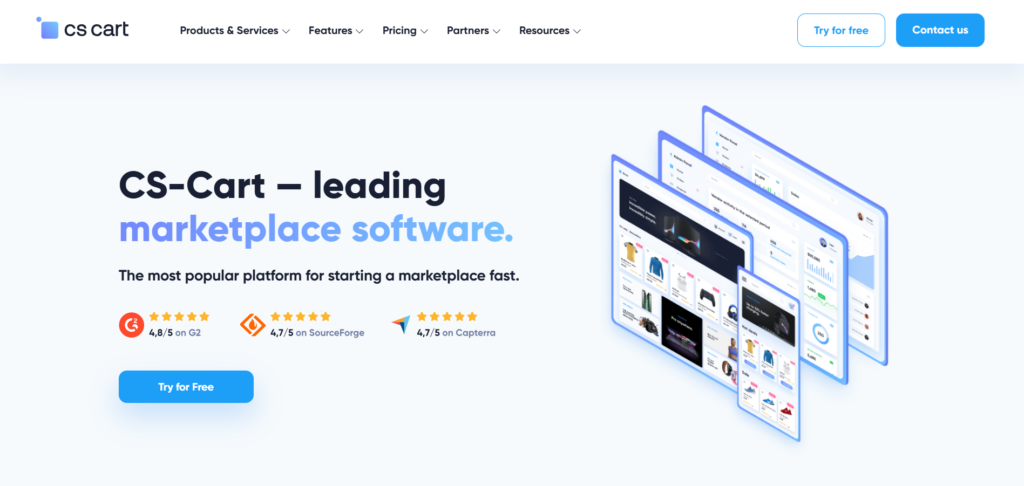
CS-Cart excels in granular vendor controls commission rules and catalog management.
6. Adobe Commerce, which used to be called Magento is the best open source multi vendor marketplace.
Adobe Commerce is still the best when it comes to customization and scalability because it is source.
7. Mirakl is the platform for big companies that want to create a B2B multi vendor marketplace.
Mirakl is very popular among B2B marketplaces because it has tools, for managing suppliers and procurement.
8. WooCommerce Multi Vendor (Dokan WCFM) — Best for WordPress Users
WooCommerce plugins enable content rich marketplaces for WordPress driven businesses.
9. Sharetribe — Best Multi Vendor Platform for Service & Rental Marketplaces
Sharetribe is optimized for booking based and service marketplaces with fast configuration.
10. Shipturtle — Best Multi Vendor Marketplace App for Shopify
Shipturtle extends Shopify stores into multi vendor ecosystems with minimal setup.
Build Your Dream Multi Vendor Marketplace Platform Now!
How to Build a Multi Vendor Marketplace Platform.
Define your niche validate demand choose the right multi vendor marketplace platform design vendor workflows integrate payments ensure compliance launch iterate and scale with data driven optimization.ols. Here’s a step-by-step guide to help you get started.
Tips, for your success.
To do well you need to start with a group of vendors. Then you can make your platform bigger.
You have to make sure that people who use your platform have a time. This means your platform should be easy to use for customers and vendors.
You need to keep an eye on how your platform’s doing. Check the numbers. See what is working, what is not. This will help you make your platform better.
Benefits of Building a Multi Vendor Marketplace Platform in 2026
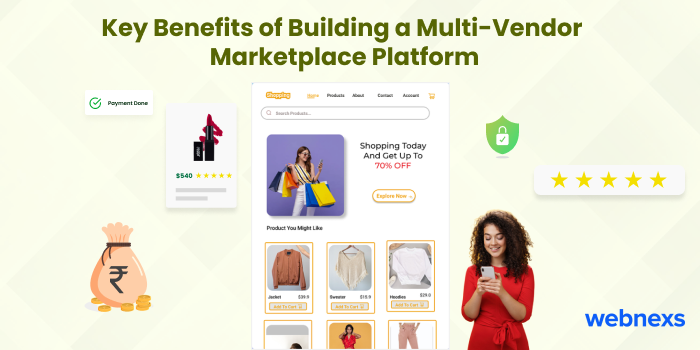
Benefits for Platform Owners
Marketplaces help platform owners make money from different sources and create a strong market position.Platform owners get information from the data and can set their own prices.
Benefits for Vendors & Sellers
Vendors get to use existing customers, marketing tools and infrastructure without spending a lot of money upfront. Having a website presence, on the marketplace makes vendors look more credible. Vendors and sellers benefit from the marketplaces traffic.
Benefits for Buyers & Customers
Buyers enjoy choice competitive pricing trust and convenience in a single destination.
Real-World Multi Vendor Marketplace Examples That Dominate in 2026
Global leaders like Amazon Alibaba and niche vertical marketplaces demonstrate how focused execution and platform excellence create market dominance.
Challenges of Multi Vendor Ecommerce Marketplace Platforms (And How to Overcome Them)
Common challenges include vendor quality control dispute resolution and scaling operations. These are addressed through automation AI moderation and clear governance frameworks.
Here is a real life example of the Amazon Multi Vendor Marketplace Platform.
The Amazon Multi Vendor Marketplace Platform is an example of something that works really well. In the year 2023 the Amazon Multi Vendor Marketplace Platform had sales of $435.7 billion from party sellers and the Amazon Multi Vendor Marketplace Platform had over 2 million active sellers on the Amazon Multi Vendor Marketplace Platform. The Amazon Multi Vendor Marketplace Platform is able to help the sellers on the Amazon Multi Vendor Marketplace Platform by taking care of the shipping and the payments. This has been very important for the sellers, on the Amazon Multi Vendor Marketplace Platform because it helps them make their businesses bigger.
By doing something to what the Amazon Multi Vendor Marketplace Platform does you can also make a successful multi vendor ecommerce platform.
Conclusion
Choosing the platform is key to building a successful multi vendor marketplace. Your choice affects how your business works grows and helps sellers and customers.
Here are five great ecommerce marketplace platforms to consider. Webnexs is an option with good features and flexibility, for different businesses.
We hope this article helped you choose the platform for your business. You can build a multi vendor ecommerce marketplace with the right help.
- Want to know more or need help? Contact us today!
Launch Your Best Multi vendor Marketplace Platform Today!
Frequently Asked Questions(FAQs)
Payment gateway for multi vendor marketplace?
A payment gateway for a multi-vendor marketplace should offer secure transactions, support multiple payment methods, and facilitate smooth fund distribution to vendors. Look for gateways with features like split payments, subscription billing, and fraud detection to ensure a reliable and efficient payment process.
Webnexs builds headless ecommerce and multi-vendor marketplace platforms for growing retailers.






















5 Responses
The blog is fantastic! Lots of great information about the benefits of developing a multi vendor marketplace platform. Keep updating all the blogs, as they will definitely help your readers!
Hey, very nice blog. I came across this on Google, and I am stoked that I did. I will definitely be coming back here more to learn more often about the benefits and challenges of multi vendor marketplace platform business, thanks for it.
I hope the benefits mentioned above make this solution a complete package among the marketplace modules available in the market today, especially when compared to the best multi vendor marketplace platform. isn’t it?
I wish to add to the conversation and bring a bit more to the table about the marketplace business and the best multi vendor marketplace platform, but I am just taking in as much info as I can at the moment. Thanks for sharing.
I’m extremely pleased to find this site. I want to thank you for your time on this fantastic read about the multi vendor marketplace platform!
I definitely savored every little bit of it, and I have you bookmarked to see new information on your site.