INTRODUCTION
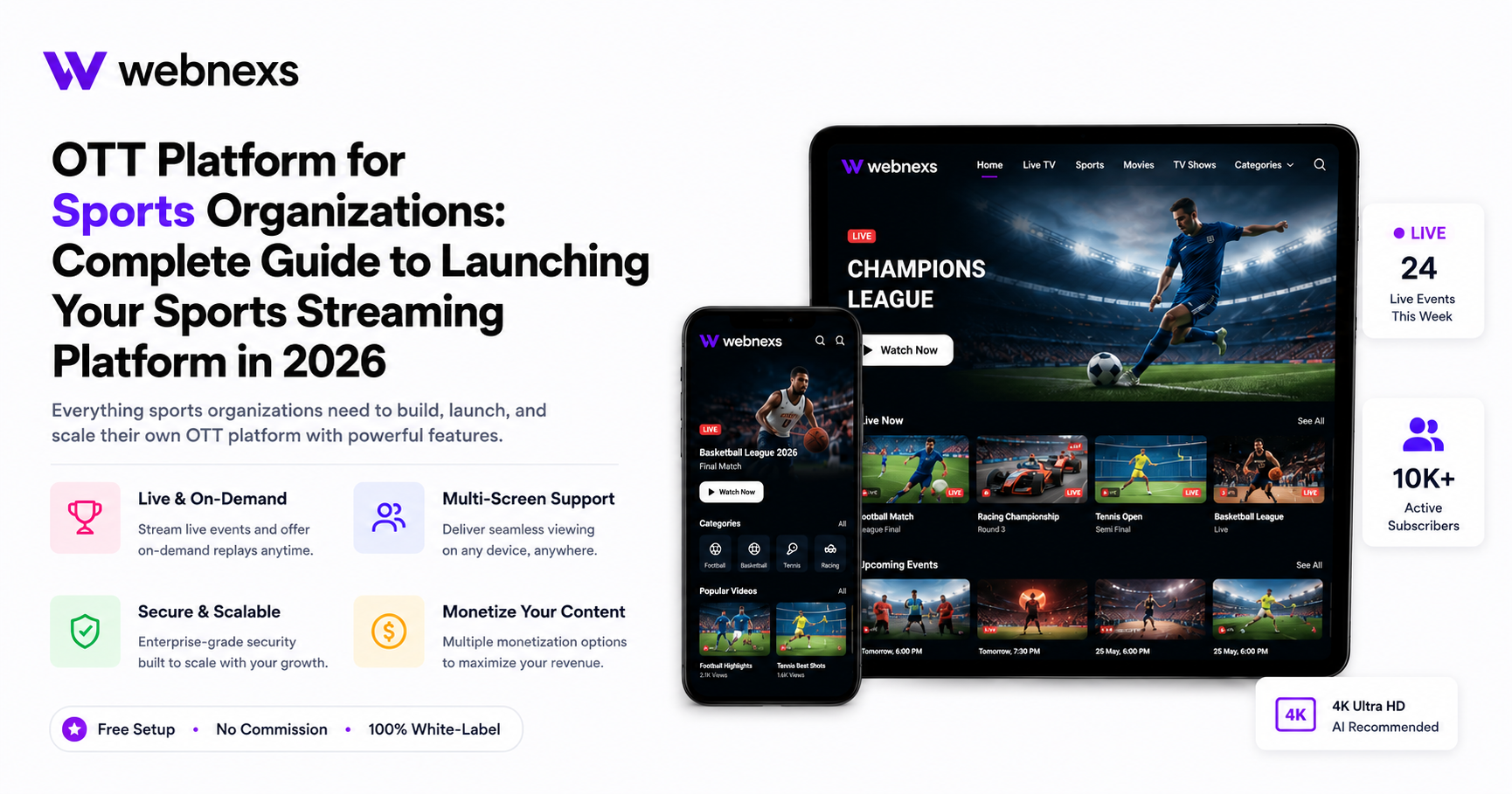
The way fans consume sports has changed dramatically over the last few years. Traditional television is no longer the only destination for live matches, tournaments, and exclusive sports content. Today’s viewers expect the freedom to watch games anytime, anywhere, and on any device. This shift has made investing in a Sports Streaming Platform a strategic priority for sports organizations that want to strengthen fan engagement, generate recurring revenue, and maintain complete control over their content.
Whether you manage a professional league or ott app development company, sports federation, college athletics program, esports organization, or local club, launching an OTT sports platform enables you to build a direct relationship with your audience instead of relying solely on broadcasters or third-party streaming services.
However, creating a successful platform involves much more than streaming live matches. Sports organizations often face questions about technology, development costs, monetization, content security,piracy prevention, subscriber acquisition, and long-term scalability. Choosing the wrong platform or overlooking critical features can result in higher costs, poor user experiences, and slower business growth.
If you’re new to the space, our guide on what OTT means and how platforms monetize content is a useful starting point.
This guide answers those questions with practical insights drawn from industry best practices and real-world implementation strategies. You’ll learn how to choose the right OTT sports platform, understand the most effective monetization models and You’ll learn how to choose the right sports OTT platform, understand the most effective monetization models and ott platform business model— including OTT bundling models —estimate development costs, and evaluate OTT SPORTS STREAMING SOLUTIONS that support sustainable growth. Whether your goal is to create OTT platform for the first time or upgrade an existing one, this guide will help you make informed decisions with confidence.
Why Sports Organizations Are Investing in Sports Streaming Platforms in 2026
Create OTT platform in sports organizations are no longer viewing digital streaming as an optional addition to traditional broadcasting. Instead, it has become a core business strategy for expanding audience reach, increasing revenue, and building stronger relationships with fans.
The rapid growth of mobile viewing, connected TVs, and on-demand content has fundamentally changed how audiences consume sports. Fans want instant access to live events, match replays, exclusive interviews, behind-the-scenes footage, and personalized content without being limited by television schedules.
A dedicated Sports Streaming Platform allows organizations to meet these expectations while maintaining ownership of their content, customer data, and revenue streams.
Growing Demand for Direct-to-Consumer Experiences
Modern sports fans prefer convenience and flexibility. Instead of depending on television providers, they expect access through smartphones, tablets, laptops, OTT TV boxes and Smart TVs.
Launching an OTT sports platform allows sports organizations to deliver content directly to viewers while creating a personalized digital experience that encourages long-term engagement.
Unlike traditional broadcasters, direct-to-consumer platforms provide complete visibility into audience behavior, helping organizations understand:
- Viewing habits
- Popular competitions
- Subscriber growth
- Watch time
- Geographic audience distribution
- Content preferences
These insights support better marketing strategies and smarter business decisions.
Greater Control Over Content Distribution
Broadcasting agreements often limit how and where sports content can be distributed.
A dedicated streaming platform gives organizations complete control over:
- Live event scheduling
- Content availability
- Regional access
- Subscription pricing
- Promotional campaigns
- Exclusive member content
This flexibility enables organizations to respond more quickly to changing audience expectations.
Practical Insight: Many organizations initially focus on streaming live matches. However, long-term subscriber growth usually comes from providing valuable content throughout the year rather than only during competitions.
Building Recurring Revenue
Ticket sales and sponsorships often fluctuate based on seasonality and event schedules.
A sports OTT platform creates predictable recurring revenue through:
- Monthly subscriptions
- Annual memberships
- Pay-per-view events
- Premium memberships
- Advertising
- Merchandise integration
Diversifying revenue sources makes organizations more resilient during off-seasons and unexpected disruptions.
Expanding Global Reach
Sports audiences are no longer limited by geography.
A professionally developed OTT SPORTS streaming service enables organizations to reach supporters worldwide while managing regional broadcasting rights where necessary.
International accessibility creates opportunities to:
- Grow global fan communities
- Increase subscription revenue
- Attract international sponsors
- Promote merchandise sales
- Expand brand visibility
This is particularly valuable for emerging sports leagues looking to build audiences beyond their domestic markets.
Stronger Fan Engagement
Today’s viewers expect more than simply watching matches.
Successful streaming platforms provide interactive experiences such as:
- Live statistics
- Fan polls
- Match predictions
- Multiple camera angles
- Social sharing
- Personalized recommendations
These features transform passive viewers into active participants, strengthening long-term loyalty.
Access to Valuable First-Party Data
One of the most significant advantages of owning your own platform is access to audience insights.
Organizations can monitor:
- Subscriber retention
- Peak viewing times
- Popular devices
- Content performance
- Customer lifetime value
- Churn rates
Unlike traditional broadcasters, organizations own this data and can use it to improve marketing, sponsorship packages, and future content strategies.
Competitive Advantage in a Digital-First Market
Sports organizations that invest early in digital streaming position themselves ahead of competitors that rely exclusively on traditional broadcasting.
A modern streaming platform helps organizations:
- Increase brand authority
- Improve fan retention
- Build recurring revenue
- Strengthen sponsor relationships
- Create new commercial opportunities
As viewer expectations continue evolving, OTT in sports will become an increasingly important competitive advantage.
Common Mistakes Sports Organizations Make
Despite recognizing the benefits, many organizations encounter challenges during implementation.
Some of the most common mistakes include:
- Choosing technology based only on price
- Underestimating infrastructure requirements
- Ignoring user experience
- Neglecting content security
- Publishing inconsistent content
- Failing to plan long-term monetization
- Overlooking customer support
Avoiding these mistakes early reduces implementation risks and improves long-term success.
Essential Features Every Sports Streaming Platform Needs for Successful Sports Streaming
Launching a Sports Streaming Platform is about much more than broadcasting live matches. The platform must deliver a seamless viewing experience while supporting business growth, audience engagement, and future scalability. Choosing the right features from the beginning helps avoid costly upgrades and ensures your platform can meet rising viewer expectations.
Whether you’re building an OTT sports platform for a professional league, sports club, collegiate athletics program, or niche sporting event, the following features are essential for long-term success.
High-Quality Live Streaming
Live matches are the heart of every sports streaming service. Fans expect uninterrupted, high-definition broadcasts regardless of the device or network they use. Even a few seconds of buffering during a crucial moment can frustrate viewers and damage trust in your platform.
A reliable sports OTT platform should support adaptive bitrate streaming, low-latency delivery, Full HD and 4K streaming, and automatic quality adjustments based on internet speed. These capabilities ensure viewers enjoy a smooth experience without interruptions.
Practical Insight: Many organizations focus heavily on video quality but underestimate the importance of streaming stability. Consistent performance is often more valuable to viewers than ultra-high resolution.
Video-on-Demand Library
Not every fan can watch live events. A well-organized Video-on-Demand vod platform (VOD) library extends the value of your content long after the final whistle.
Your VOD section should include:
- Match replays
- Tournament archives
- Match highlights
- Player interviews
- Press conferences
- Behind-the-scenes footage
- Documentary-style content
- Training sessions
Providing on-demand access increases viewing hours and gives subscribers more reasons to maintain their memberships throughout the year.
Hidden Consideration: Organize your content with categories, filters, and search functionality. A growing content library quickly becomes difficult to navigate without proper structure.
Multi-Device Compatibility
Today’s fans expect flexibility. They may begin watching a match on their smartphone during their commute and continue on a Smart TV at home.
A successful Sports Streaming Platform should provide a consistent experience across:
- Web browsers
- Android smartphones
- iPhones and iPads
- Android TV
- Apple TV
- Amazon Fire TV
- Roku
- Smart TVs
Maintaining synchronized user accounts and viewing history across devices improves customer satisfaction and retention.
Secure Content Protection
Broadcasting rights represent significant investments. Without strong security measures, unauthorized sharing and piracy can reduce revenue and weaken relationships with rights holders.
Modern OTT SPORTS STREAMING SOLUTIONS should include:
- Digital Rights Management (DRM)
- Secure user authentication
- Geo-blocking
- Token-based streaming
- Dynamic watermarking
- Encrypted video delivery
These technologies protect premium sports content while ensuring only authorized users can access broadcasts.
Common Mistake: Many organizations delay implementing advanced security until piracy becomes a problem. Addressing content protection early is more effective and less expensive than reacting later.
User-Friendly Interface
Even the best content cannot compensate for a confusing interface.
A successful platform should allow users to:
- Find live events quickly
- Resume previously watched content
- Browse by sport or league
- Search players or teams
- Access subscriptions easily
Simple navigation reduces frustration and encourages viewers to spend more time on the platform.
Personalized Content Recommendations
AI in OTT platforms has transformed content discovery. Recommendation engines help viewers find relevant matches and videos without extensive searching.
Personalized recommendations may include:
- Favorite teams
- Upcoming matches
- Similar sporting events
- Recently added content
- Continue Watching suggestions
Personalization increases engagement and encourages longer viewing sessions.
Interactive Fan Engagement Features
Sports fans want more than passive viewing. They want to participate.
Interactive features help create stronger emotional connections by offering:
- Live chat during matches
- Fan polls
- Match predictions
- Live statistics
- Multiple camera angles
- Social sharing
- Fantasy sports integration
These experiences turn viewers into active participants and help build loyal communities around your platform.
Comprehensive Analytics Dashboard
Every successful digital business relies on data.
Analytics provide valuable insights into audience behavior, allowing organizations to make informed decisions about content, marketing, and monetization.
Important metrics include:
- Active viewers
- Watch time
- Peak concurrent users
- Subscriber growth
- Churn rate
- Revenue performance
- Device usage
- Geographic audience distribution
Organizations that regularly review analytics can identify successful content strategies and improve future programming.
Flexible Monetization Support
Your platform should support multiple revenue models rather than locking you into a single approach.
Look for built-in support for:
- Monthly subscriptions
- Annual memberships
- Pay-per-view events
- Advertising
- Sponsorship integrations
- Promotional offers
- Coupon codes
A flexible monetization system allows your business model to evolve as your audience grows.
Reliable Customer Support Tools
Technical issues can occur during live broadcasts, and how quickly they are resolved often determines whether subscribers remain loyal.
Essential support options include:
- Live chat
- Email support
- Help center
- Frequently Asked Questions
- Ticket management
- Billing assistance
Fast, responsive support builds confidence and reduces subscriber cancellations.
Scalability for Future Growth
Many organizations launch with a modest audience but plan to expand over time. Your platform should be capable of handling increased traffic without compromising performance.
Scalable infrastructure supports:
- Higher viewer volumes
- Additional sports
- International expansion
- Multiple languages
- New monetization features
- Larger content libraries
Planning for growth from the beginning prevents expensive migrations later.
Common Mistakes to Avoid When Choosing a Sports Streaming Platform
Selecting the wrong platform can lead to unnecessary costs and operational challenges.
Avoid these common mistakes:
- Prioritizing low cost over long-term value
- Ignoring mobile viewing experience
- Overlooking content security
- Choosing a platform that cannot scale
- Underestimating customer support requirements
- Failing to evaluate analytics capabilities
- Neglecting future monetization options
A careful evaluation process helps organizations choose technology that supports both current needs and future growth.
Monetization Models Explained
Launching a Sports Streaming Platform is only the first step. To make it financially sustainable, sports organizations need a monetization strategy that aligns with their audience, content, and long-term business goals. The most successful platforms rarely depend on a single revenue stream. Instead, they combine multiple monetization models to maximize profitability while offering flexibility to viewers.
A well-planned monetization strategy also reduces financial risk by ensuring that revenue continues throughout the year, even during the off-season.
Subscription Video on Demand (SVOD)
Subscription Video on Demand is one of the most widely adopted models for an OTT sports platform. Fans pay a recurring monthly or annual fee to access live events, exclusive content, and on-demand videos.
Typical subscription benefits include:
- Live match streaming
- Match replays
- Exclusive interviews
- Behind-the-scenes footage
- Training sessions
- Original documentaries
- Historical matches
This model provides predictable recurring revenue, making it easier to forecast growth and invest in future platform improvements.
Practical Insight: Subscribers expect continuous value. If your platform only streams live matches occasionally, consider publishing exclusive content throughout the year to keep subscribers engaged.
Pay-Per-View (PPV)
Pay-Per-View allows viewers to purchase access to individual sporting events without committing to a subscription.
PPV works especially well for:
- Championship finals
- Boxing events
- MMA fights
- International tournaments
- Exclusive exhibition matches
- Premium esports competitions
Many successful sports organizations combine PPV with subscriptions, offering regular content through memberships while reserving premium events for separate purchases.
Real-World Consideration: Pricing should reflect the perceived value of the event. Premium matches with strong fan demand naturally support higher PPV pricing than regular season games.
Advertising Video on Demand (AVOD)
Advertising-supported streaming provides an excellent option for organizations seeking to grow their audience quickly.
Instead of charging viewers directly, revenue comes from advertisers through:
- Pre-roll advertisements
- Mid-roll advertisements
- Display banners
- Sponsored highlights
- Branded content
- Event sponsorships
AVOD works particularly well for organizations with large audiences or those looking to introduce free content before converting viewers into paying subscribers.
Transactional Video on Demand (TVOD)
TVOD allows users to purchase or rent individual pieces of content.
Examples include:
- Coaching masterclasses
- Sports documentaries
- Exclusive interviews
- Historical match collections
- Skill development programs
This model appeals to casual viewers who may not want an ongoing subscription but are willing to pay for valuable premium content.
Freemium Model
A freemium strategy combines free and premium content.
Users receive access to selected content at no cost while premium features remain available only through paid memberships.
Free content may include:
- Match highlights
- News updates
- Short interviews
- Promotional videos
Premium subscribers receive access to live matches, complete archives, exclusive interviews, and advanced platform features.
Freemium models help attract new users while encouraging upgrades over time.
Hybrid Monetization Strategy
Most leading OTT SPORTS streaming businesses use a hybrid revenue model that combines several monetization methods.
For example:
- Monthly subscriptions
- Pay-per-view events
- Advertising
- Merchandise sales
- Sponsorship packages
- Premium memberships
Diversifying revenue streams creates greater financial stability and allows organizations to adapt to changing audience preferences.
Choosing the Right Monetization Model
There is no universal solution for every sports organization.
Consider these factors before selecting your monetization strategy:
Audience Size
Large audiences often generate significant advertising revenue.
Smaller organizations may benefit more from subscriptions and premium memberships.
Content Frequency
Organizations producing weekly content generally succeed with subscription models.
Organizations hosting occasional major events often benefit from PPV.
Fan Loyalty
Highly engaged communities are more willing to pay for exclusive access.
Building loyalty before introducing premium pricing often improves conversion rates.
Competition
Evaluate how competing organizations monetize their platforms.
The goal is not to copy competitors but to identify opportunities to offer greater value.
Common Monetization Mistakes
Many organizations unintentionally reduce revenue by making avoidable mistakes.
Common challenges include:
- Relying on a single revenue source
- Underpricing premium content
- Publishing inconsistent content
- Poor subscription pricing
- Ignoring viewer feedback
- Weak promotional campaigns
- Limited payment options
Addressing these issues early creates a stronger foundation for long-term growth.
Hidden Costs That Affect Revenue
Monetization depends on more than pricing.
Organizations should also account for:
- Payment gateway fees
- Streaming infrastructure
- Customer support
- Content licensing
- Marketing expenses
- Platform maintenance
- Mobile application updates
Understanding total operating costs helps establish realistic revenue expectations.
How Much Does It Cost to Launch a Sports Streaming Platform?
One of the first questions sports organizations ask is how much they should budget for a new streaming service.
The answer depends on several factors including platform complexity, audience size, content volume, and customization requirements.
A simple streaming solution costs significantly less than a fully customized enterprise platform with AI recommendations, advanced analytics, Smart TV applications, and international content delivery.
Rather than focusing only on development costs, organizations should evaluate the total cost of ownership over several years.
Platform Development
Development costs vary depending on the chosen approach.
Common options include:
- White-label platforms
- Custom-built platforms
- Enterprise streaming solutions
White-label solutions reduce implementation time and initial investment.
Custom development offers greater flexibility but requires larger budgets and longer development cycles.
Enterprise OTT SPORTS STREAMING SOLUTIONS often provide the best balance between scalability, security, and operational efficiency.
Mobile Application Development
Today’s sports fans increasingly watch content on mobile devices.
A professional platform should support:
- Android
- iOS
- Tablets
- Smart TVs
Developing native applications improves user experience but increases project costs.
Organizations should determine which devices their audience uses most before prioritizing development.
Streaming Infrastructure
Reliable infrastructure is essential for delivering uninterrupted live events.
Core infrastructure expenses include:
- Cloud hosting
- Video transcoding
- Storage
- Content Delivery Networks
- Bandwidth
- Monitoring systems
Choosing low-cost infrastructure may reduce initial expenses but often results in buffering and poor viewing experiences during high-demand events.
Security and Content Protection
Protecting premium sports content requires investment in advanced security technologies.
Essential measures include:
- Digital Rights Management
- Encryption
- Secure authentication
- Geo-blocking
- Watermarking
- Anti-piracy monitoring
Strong security protects both revenue and broadcasting rights.
Ongoing Operational Costs
Launching your platform is only the beginning.
Ongoing expenses include:
- Software updates
- Customer support
- Infrastructure maintenance
- Security monitoring
- Feature enhancements
- Performance optimization
Organizations that budget only for development often underestimate the true cost of maintaining a successful streaming business.
Practical Budgeting Advice
Before selecting an OTT solution, ask questions such as:
- Can the platform scale with audience growth?
- What ongoing fees are included?
- Are software updates covered?
- What level of technical support is provided?
- How quickly can new features be implemented?
These questions help prevent unexpected expenses after launch.
How Sports Organizations Generate Revenue Beyond Subscriptions
Subscriptions are often the foundation of a successful Sports Streaming Platform, but relying on them alone can limit long-term growth. Diversifying revenue streams helps organizations create a more resilient business while offering additional value to fans and commercial partners.
A modern OTT sports platform creates opportunities to generate income through sponsorships, merchandise, advertising, premium experiences, and data-driven partnerships.
Sponsorship Opportunities
Digital streaming offers brands far more than logo placement during a match. Sponsors increasingly want measurable engagement and direct access to targeted audiences.
Sponsorship opportunities include:
- Sponsored live broadcasts
- Branded pre-match shows
- Exclusive interview sponsorships
- Sponsored highlights
- Tournament microsites
- Digital advertising placements
- Social media integrations
Unlike traditional broadcasting, digital platforms provide detailed analytics that demonstrate campaign performance, making sponsorship packages more attractive to brands.
Practical Insight: Sponsors value audience quality as much as audience size. Even niche sports can secure premium sponsorships if they demonstrate strong engagement.
Merchandise Integration
Fans who regularly watch matches are also more likely to purchase official merchandise.
Integrating an online store into your sports OTT platform allows viewers to purchase products without leaving the platform.
Popular merchandise includes:
- Team jerseys
- Training apparel
- Limited-edition collectibles
- Accessories
- Match tickets
- Membership packages
A seamless shopping experience increases conversion rates and strengthens brand loyalty.
Premium Membership Programs
Not every supporter wants the same experience.
Premium membership tiers can offer exclusive benefits such as:
- Early ticket access
- VIP live streams
- Private Q&A sessions
- Exclusive documentaries
- Behind-the-scenes training
- Coaches’ tactical analysis
- Digital fan communities
Tiered memberships increase average revenue while rewarding loyal supporters, making your Sports Streaming Platform more valuable for dedicated fans.
Advertising Partnerships
Advertising remains a valuable revenue source, especially for organizations with growing audiences — one of the key benefits of OTT advertising is direct access to first-party engagement data traditional broadcast can’t offer.
Advertising formats may include:
- Video advertisements
- Banner advertising
- Sponsored content
- Native advertising
- Event sponsorships
Successful advertising focuses on relevance rather than volume. Excessive advertisements can reduce viewer satisfaction and increase subscriber churn.
Licensing Content
Some organizations generate additional revenue by licensing content to broadcasters, educational institutions, or digital publishers.
Examples include:
- Historical matches
- Coaching content
- Documentary films
- Youth development programs
- Tournament footage
Licensing creates additional value from existing content libraries.
Data-Driven Sponsorship Sales
One of the biggest advantages of owning an OTT sports platform is access to first-party audience data.
Analytics help organizations understand:
- Viewer demographics
- Geographic distribution
- Device preferences
- Viewing behavior
- Popular competitions
- Watch duration
These insights enable more targeted sponsorship packages and stronger commercial partnerships.
Hidden Consideration: Collecting audience data responsibly and complying with privacy regulations builds trust while supporting long-term business growth.
Building a Direct-to-Consumer Business with a Sports Streaming Platform
Traditional broadcasters often control customer relationships, limiting organizations’ ability to understand and engage their audience — which is exactly why an OTT platform for broadcasters themselves is becoming a parallel strategy, not just a threat to their model
A direct-to-consumer model changes this completely.
Launching your own Sports Streaming Platform allows you to build lasting relationships with fans while controlling pricing, branding, content distribution, and customer experience.
Know Your Audience
Every sports organization serves a unique audience.
Professional leagues, grassroots clubs, universities, esports organizations, and fitness communities all have different viewing habits and expectations.
Research your audience before selecting platform features or pricing models — this should be the foundation of your OTT strategy.
Understanding what viewers truly value often leads to better long-term results than simply copying competitors.
Develop a Year-Round Content Strategy
One of the biggest mistakes organizations make is only publishing content during tournaments or league matches.
Successful platforms remain active throughout the year by producing:
- Match previews
- Player interviews
- Coaching sessions
- Training content
- Historical matches
- Documentary series
- Community stories
Consistent publishing improves subscriber retention while increasing the value of annual memberships.
Focus on User Experience
Technology should simplify the viewing experience, not complicate it.
A great platform offers:
- Fast navigation
- Personalized recommendations
- Reliable streaming
- Secure payments
- Responsive customer support
Small improvements in usability often have a significant impact on subscriber satisfaction.
Invest in Customer Support
Even the most reliable OTT Streaming platform occasionally experiences technical issues.
Providing fast and helpful support demonstrates professionalism and strengthens trust.
Support options should include:
- Live chat
- Email support
- Help center
- Billing assistance
- Troubleshooting guides
Organizations that resolve issues quickly often experience lower subscriber churn.
Plan for Future Growth
Many organizations initially launch for a regional audience but later expand nationally or internationally.
Choosing scalable OTT SPORTS STREAMING SOLUTIONS from the beginning makes future growth significantly easier.
Consider future requirements such as:
- Additional sports
- Multiple languages
- International payments
- Larger content libraries
- Higher traffic volumes
Planning ahead reduces future migration costs.
How to Attract and Retain Subscribers for Your Platform
Acquiring subscribers is only half the challenge.
Long-term success depends on keeping viewers engaged month after month.
Offer Free Trials
Many fans hesitate before paying for a new streaming service.
Free trials allow potential subscribers to experience the platform before making a financial commitment.
This reduces perceived risk while increasing conversion rates.
Produce Exclusive Content
Exclusive content remains one of the strongest reasons fans subscribe.
Examples include:
- Behind-the-scenes access
- Training sessions
- Tactical analysis
- Exclusive interviews
- Youth academy coverage
- Documentary series
Content unavailable elsewhere gives supporters a compelling reason to stay subscribed.
Personalize Every Experience
Modern viewers expect recommendations based on their interests.
Personalization can include:
- Favorite teams
- Upcoming matches
- Recommended highlights
- Continue Watching
- Personalized notifications
Relevant recommendations increase viewing time and improve subscriber retention.
Build a Community
Successful platforms create communities rather than simply delivering video.
Community-building features include:
- Live chat
- Fan forums
- Polls
- Match predictions
- Fantasy competitions
- Social sharing
Engaged communities naturally encourage referrals and long-term loyalty.
Listen to Subscriber Feedback
Your audience provides valuable insight into platform improvements.
Regularly collecting feedback helps identify:
- Technical issues
- Requested features
- Content preferences
- User experience improvements
Organizations that continuously improve their platforms remain competitive in a rapidly changing industry.
Frequently Asked Questions
Why should sports organizations launch their own Sports Streaming Platform?
A dedicated platform gives organizations complete control over content, branding, customer relationships, audience data, and recurring revenue while reducing dependence on third-party broadcasters.
What features should every Sports Streaming Platform include?
Essential features include live streaming, Video-on-Demand, multi-device compatibility, secure payments, DRM protection, analytics, personalized recommendations, interactive fan engagement, and reliable customer support.
Which monetization model generates the highest revenue?
There is no single best approach. Most successful organizations combine subscriptions, pay-per-view events, advertising, sponsorships, merchandise, and premium memberships to maximize revenue.
How long does it take to launch a Sports Streaming Platform?
Implementation timelines vary depending on the level of customization. White-label platforms generally launch faster, while fully custom enterprise platforms require additional planning, development, and testing.
Can smaller sports organizations benefit from OTT platforms?
Absolutely. Modern OTT SPORTS STREAMING SOLUTIONS enable local clubs, academies, universities, and niche sports organizations to launch professional streaming services without building complex technology from scratch.
Conclusion
The future of sports broadcasting belongs to organizations that own their audience and deliver exceptional digital experiences. A professionally designed Sports Streaming Platform enables sports organizations to move beyond traditional broadcasting by creating direct relationships with fans, generating recurring revenue, and expanding their reach across global markets.
Investing in a scalable OTT sports platform is more than a technology decision. It is a long-term business strategy that supports fan engagement, sponsorship growth, merchandise sales, and data-driven decision-making. By selecting reliable sports OTT platform technology and implementing advanced sports streaming capabilities through trusted streaming, organizations can create sustainable digital businesses that continue growing as viewer expectations evolve.
Whether you represent a professional league, sports federation, educational institution, or emerging club, now is the ideal time to build a future-ready streaming platform. With the right strategy, technology, and content, your platform can become the central destination for fans while creating new opportunities for revenue, engagement, and long-term success.