
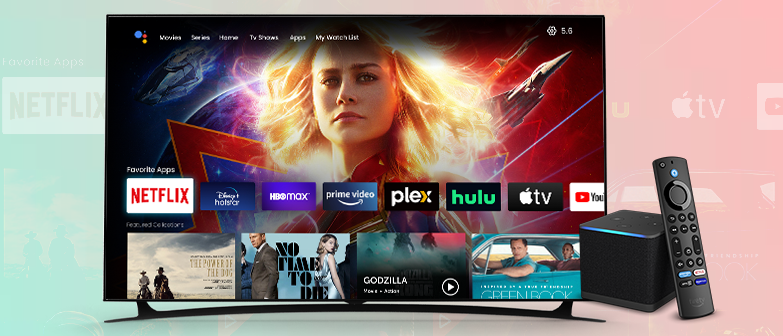
Quick answer: An OTT box is a compact streaming device that plugs into your television and gives you instant access to apps like Netflix, YouTube, and Disney+ without a cable subscription. This guide covers how OTT boxes work, how to set one up, and which model fits your needs in 2026.
Streaming entertainment has become more popular than traditional cable TV in recent years because users now prefer flexible and affordable viewing options at home. Many people use OTT streaming devices to watch movies, TV shows, live sports, news, and online videos directly through an internet connection on their television screens. OTT TV boxes are easy to use and support thousands of streaming apps for modern home entertainment.
What is an OTT box? It’s a streaming device that connects your TV to internet-based entertainment platforms like Netflix, YouTube, Prime Video, and Disney+, letting you stream online content without a cable subscription. Streaming entertainment has become more popular than traditional cable TV because users now prefer flexible and affordable viewing options at home.
An OTT box can quickly convert a normal television into a smart streaming device without the need to buy a new smart TV. Popular OTT devices like Roku, Amazon Fire TV, Apple TV, Android TV Box, and other streaming devices provide HD and 4K streaming with access to Netflix, Prime Video, Disney+, YouTube, Hulu, and many other OTT platforms.
Key takeaways:
- An OTT box is a compact streaming device that turns any TV into a smart TV without buying a new one.
- Popular options include Roku, Amazon Fire TV, Apple TV, and Google Chromecast — each with different pricing and app ecosystems.
- Setup takes minutes: connect via HDMI, join Wi-Fi, sign in, and install apps.
- 4K HDR streaming needs at least 25 Mbps for smooth playback; wired Ethernet reduces buffering.
- OTT boxes suit families, sports fans, hotels, and businesses looking for flexible, affordable streaming.
What is OTT Box?
An OTT box is a streaming device that connects your TV to internet-based entertainment platforms like Netflix, YouTube, Prime Video, and Disney+, allowing users to stream online content without cable TV.
Most OTT streaming boxes use Android TV operating systems and support streaming apps through the Google Play Store. These digital media players support HD, Full HD, and 4K streaming quality with smooth playback and better sound experience.
OTT boxes are now commonly used in homes, hotels, education platforms, IPTV services, and OTT businesses because they provide affordable and flexible entertainment solutions.
Stream better with an OTT box anytime, anywhere!
How Does an OTT Box Work?
An OTT box works by connecting the television to an internet connection through WiFi or Ethernet cable. Once connected, users can install OTT apps and stream online content directly on their TV.
The streaming device receives digital video content from OTT platforms and displays it on television screens in real time. Popular OTT apps include Netflix, Prime Video, Disney+, Hulu, HBO Max, and YouTube.
Most OTT boxes include smart remote controls for easy navigation. Some devices also support voice search, Bluetooth connectivity, screen mirroring, and smartphone control features.
Streaming quality mainly depends on internet speed, app optimization, and OTT device performance.
Benefits of Using an OTT Box
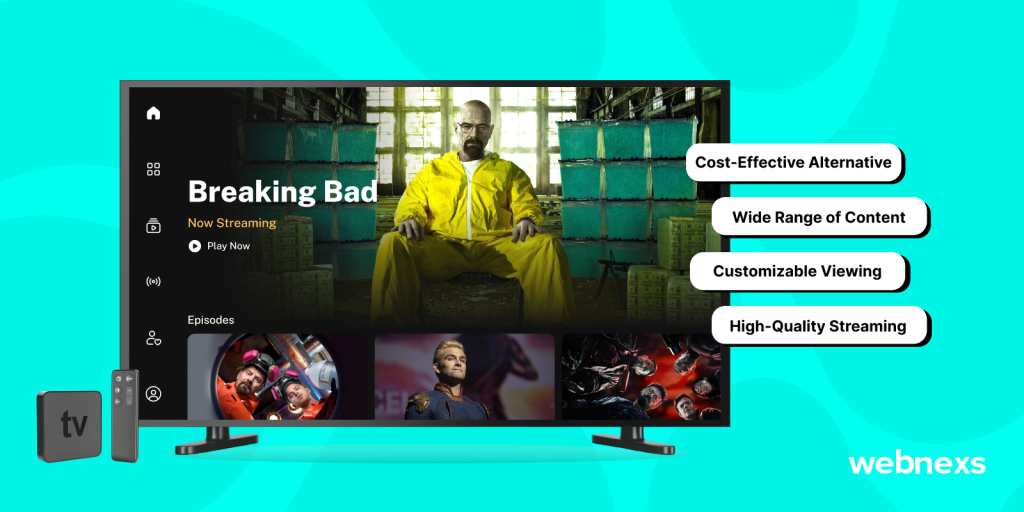
OTT TV boxes give viewers a practical way to add smart streaming capabilities to any television with an HDMI port. Instead of replacing a perfectly good display, you plug in a compact device that connects to your home internet and unlocks a wide universe of apps and services.
1. Affordable Entertainment
An OTT box costs a fraction of a new smart TV, making it the most economical path to modern streaming. You can keep using your current television—whether it’s a few years old or a budget model without built-in apps—and still access every major streaming platform.
This approach works well for households wanting multiple streaming endpoints, students furnishing a dorm or apartment, businesses adding guest entertainment, and hotels upgrading room amenities without a full TV replacement cycle.
2. Access to Streaming Apps
OTT devices run full app ecosystems—Android TV, Google TV, Fire OS, Roku OS, or tvOS—so you’re not locked into a manufacturer’s limited app store. You can install virtually any streaming service available in your region.
That means movies, series, live sports, news, kids’ programming, music videos, documentaries, and educational content are all available on demand. Major services like Netflix, Disney+, Prime Video, Hulu, HBO Max, and YouTube run natively, along with niche platforms for anime, fitness, language learning, and faith-based content.
Most boxes also support free ad-supported services (FAST) like Pluto TV, Tubi, and The Roku Channel, giving you live-linear channels without a cable subscription.
3. Easy OTT TV Box Setup
Setup takes minutes and requires no technical background. Connect the box to power, plug the HDMI cable into your TV, select the correct input, and follow the on-screen prompts to join your Wi-Fi network and sign into your Google, Amazon, Roku, or Apple account.
Once connected, the home screen walks you through installing your preferred apps. Many devices support voice remote setup—just hold the microphone button and speak your Wi-Fi password or app names. Automatic software updates keep the system current without any manual effort.
4. High-Quality Streaming
Current-generation OTT boxes decode modern video and audio formats that older smart TVs often miss. Expect support for 4K resolution, HDR10, HDR10+, Dolby Vision, and HLG, plus immersive audio like Dolby Atmos and DTS:X pass-through to compatible soundbars or receivers.
Actual playback quality scales with your internet connection. For reliable 4K HDR, plan on at least 25 Mbps sustained; 1080p streams comfortably at 5–10 Mbps. Wired Ethernet (or a USB-Ethernet adapter) eliminates Wi-Fi congestion in dense apartments.
5. Personalized Viewing Experience
Platform-level features make daily use smoother. Universal search across apps lets you find a title once instead of checking each service. Voice control handles playback, smart-home commands, and content discovery without typing. Profiles keep watch history and recommendations separate for each household member.
Parental controls restrict mature content by rating and lock purchases behind a PIN. App management tools let you reorder the home screen, hide unused services, and offload rarely used apps to free storage. Some platforms even sync watch progress across phone, tablet, and TV so you can resume anywhere.
OTT Box vs. Smart TV
Both deliver streaming, but the trade-offs matter depending on your situation.
| Feature | OTT Box | Smart TV |
| Upfront cost | Low | High |
| Upgrade flexibility | Swap the box anytime | Replace the whole TV |
| Performance longevity | Newer chips, more RAM | Often underpowered after 2–3 years |
| Portability | Move room to room or travel | Fixed installation |
| App ecosystem | Full platform store, sideloading possible | Manufacturer-curated, sometimes limited |
| Remote quality | Dedicated, often voice-enabled | Varies widely by brand |
Choose an OTT box when you like your current TV’s picture quality, want faster navigation, or need the freedom to upgrade streaming hardware independently. Stick with a smart TV’s built-in apps only if they already cover every service you watch and the interface feels responsive.
Who Should Buy an OTT Box?
Different living situations call for different streaming setups. Here’s how to decide.
Families and shared households
Multiple profiles keep kids’ cartoons separate from parents’ dramas. Parental controls lock mature content and purchases. A single box serves every taste—educational apps for toddlers, anime for teens, prestige dramas for adults.
Sports fans cutting the cord
Live sports apps (ESPN+, Peacock, Paramount+, league-specific passes) stream games without a cable bundle. Look for a box with strong Wi-Fi 6/6E or Ethernet to handle peak-hour bitrates without buffering.
Movie and series enthusiasts
Priority features: Dolby Vision and Dolby Atmos support, a responsive remote with dedicated app buttons, and enough storage to keep several large apps installed simultaneously.
Hotels, short-term rentals, and businesses
Centralized management tools let you push app lineups, Wi-Fi credentials, and kiosk-mode restrictions to dozens of boxes at once. Guests get a familiar, login-free experience; you avoid the cost and waste of replacing room TVs.
While an OTT box helps users access streaming content on their television, building and launching a complete streaming service requires the right technology and infrastructure. Our OTT platform development guide explains everything you need to know about developing a successful OTT platform.
IPTV and OTT service operators
Custom launcher builds and wholesale device programs let providers deliver branded streaming hardware to subscribers. This extends IPTV and OTT streaming services to living rooms without relying on third-party app stores.
Types of OTT Devices Available
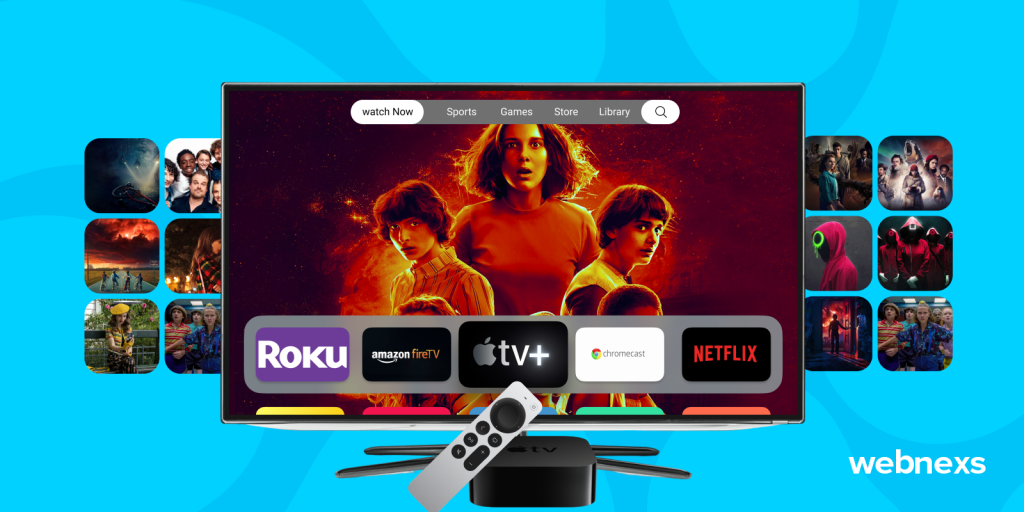
OTT streaming devices come in several categories, each designed for different viewing habits and budgets. Understanding the strengths of each platform helps you pick hardware that matches the services you actually watch.
1. Roku
- Roku is one of the most popular OTT TV boxes for streaming entertainment. It offers access to thousands of streaming channels and apps.
- Roku devices are known for a simple interface, affordable pricing, and smooth streaming performance. The platform is content-agnostic, so you won’t be pushed toward any single service.
- Models range from basic HD sticks to 4K HDR players with voice remotes and headphone jacks for private listening.
2. Amazon Fire TV
- Amazon Fire TV supports OTT apps, Alexa voice search, and smart home integration features.
- Fire TV devices provide 4K streaming, voice control, fast navigation, and wide app support. The interface prominently surfaces Prime Video content but still carries all major streaming services.
- Choose a Fire TV Stick for portability or a Fire TV Cube if you want hands-free Alexa and built-in speaker functionality.
3. Apple TV
- Apple TV is a premium OTT streaming device developed by Apple for high-quality entertainment streaming.
- Users can access Apple TV+, Netflix, Disney+, AirPlay, and Siri voice search features through Apple TV.
- Apple TV is popular because of premium streaming quality, strong security, and smooth performance. It excels if you already use iCloud, Apple Music, or want smooth AirPlay from iPhone and Mac.
- The latest models support Dolby Vision, HDR10+, and Thread for smart home connectivity.
4. Google Chromecast
- Google Chromecast allows users to cast content from smartphones, tablets, and laptops directly to television screens.
- It is suitable for users who prefer mobile streaming and wireless screen casting. The newer Chromecast with Google TV adds a traditional remote and on-screen interface so you can browse without your phone.
- Integration with Google Assistant makes voice search feel natural if you already use Android or Nest devices.
Upgrade your streaming experience with an OTT box!
Features to Check Before Buying an OTT Box
Comparing devices on the right criteria prevents buyer’s remorse. Focus on these five areas:
- Compatibility: Choose an OTT device that supports your television’s HDMI version, your internet connection type (Wi-Fi or Ethernet), and the streaming services you subscribe to. Older TVs may need an HDMI adapter or a device that outputs lower resolutions.
- Streaming Quality: Select OTT TV boxes that support HD, Full HD, 4K, and HDR streaming quality. If your TV handles Dolby Vision or HDR10+, confirm the device does too—otherwise you’ll miss out on the best picture your display can deliver.
- Storage and RAM: Higher storage and RAM improve app loading speed, streaming performance, and multitasking capability. Devices with limited internal storage may force you to uninstall apps to make room for new ones, which gets frustrating over time.
- Remote Control Features: Voice-enabled remote controls help users search, navigate, and manage content easily. Look for dedicated shortcut buttons for your most-used services, a headphone jack for late-night viewing, and IR/CEC support to control TV power and volume.
- App Availability: Check whether your favorite OTT apps and streaming services are supported on the device. Niche services (regional sports, international channels, fitness apps) sometimes skip smaller platforms.
Best Internet Speed for OTT Streaming
Internet speed plays an important role in streaming quality and smooth playback experience. Rather than chasing a specific number, aim for a connection that comfortably exceeds the minimum for your target resolution—especially if multiple people stream at once.
For HD streaming, a basic broadband plan is usually sufficient. Full HD benefits from a steadier connection with some headroom. 4K HDR demands a robust, low-latency link; if your household streams 4K on more than one screen simultaneously, prioritize a higher-tier plan or wired Ethernet for the streaming device.
Using stable high-speed internet helps reduce buffering and streaming interruptions. Run a speed test at different times of day to see real-world performance, not just the advertised maximum.
Comparison of Popular OTT Box Price with Features
Pricing varies by model generation and included accessories. Entry-level sticks start at a modest cost and handle HD streaming well. Mid-range 4K players add HDR support, faster processors, and better remotes. Premium boxes include Ethernet ports, expanded storage, Dolby Atmos audio, and smart home hubs. Match the tier to your TV’s capabilities—there’s no benefit paying for 4K HDR if your display maxes out at 1080p.
To help you choose the right OTT box, here is a comparison of some of the most popular devices on the market:
| Roku | Amazon Fire TV | Apple TV | Google Chromecast | |
| Price | Starts at $29.99 | Starts at $39.99 | Starts at $149.00 | Starts at $35.00 |
| Content | Extensive library of movies, TV shows, and free channels | Thousands of channels, apps, and Alexa skills | Apple’s library of movies and TV shows, major streaming services | Access to streaming apps and games |
| Remote | Traditional remote or voice-enabled remote | Traditional remote or voice-enabled remote | Siri-enabled remote; use your smartphone or tablet as a remote control | |
| User Interface | User-friendly interface with customizable home screen | User-friendly interface with Alexa voice search | User-friendly interface with Siri voice search | Stream content from your smartphone or tablet |
How to Set Up Your OTT TV Box
Setting up an OTT TV box is straightforward and typically takes just a few minutes. Follow these steps to get started:
Step 1: Connect to Your TV
Plug the OTT box into an available HDMI port on your television using the included HDMI cable. If your TV has multiple HDMI inputs, note which one you used (for example, HDMI 1 or HDMI 2).
Step 2: Power On the Device
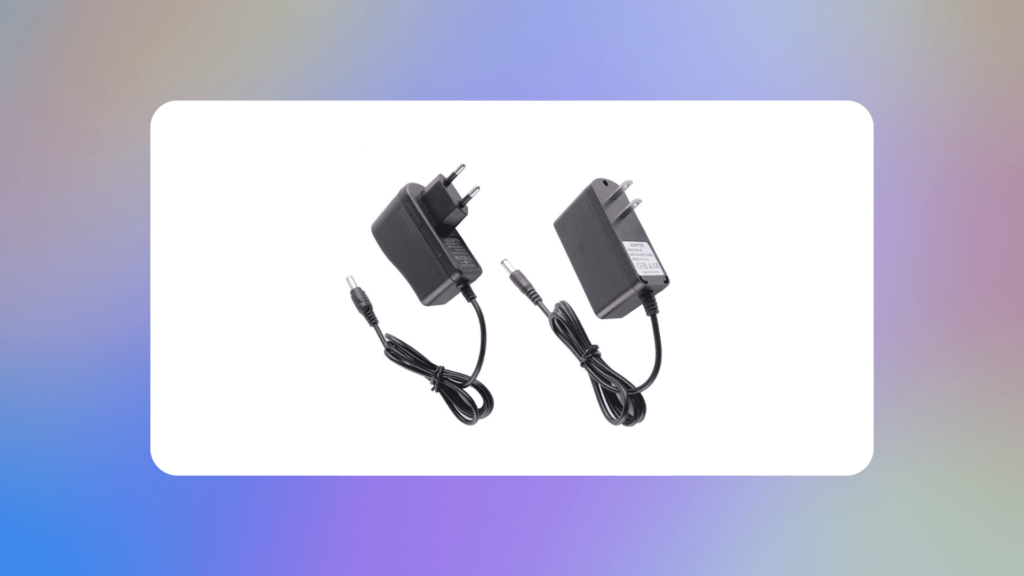
Connect the power adapter to the OTT streaming device and plug it into a wall outlet. Turn the device on using the power button on the unit or the remote.
Step 3: Select the Correct TV Input
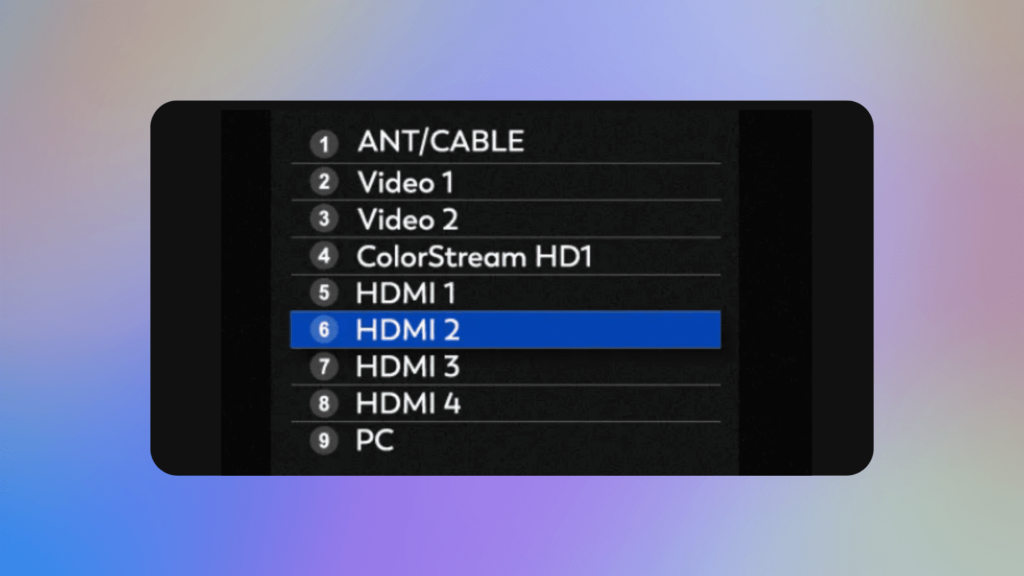
Turn on your television and use the TV remote to switch to the HDMI input that matches the port you used in Step 1. You should see the device’s welcome screen.
Step 4: Connect to the Internet
Follow the on-screen prompts to connect to your home Wi-Fi network. For the most stable streaming experience, use a wired Ethernet connection if your device has an Ethernet port and your router is nearby.
Step 5: Sign In to Your Account
Sign in with the account associated with your device: a Roku account for Roku, an Amazon account for Fire TV, an Apple ID for Apple TV, or a Google account for Chromecast with Google TV. This step unlocks the app store and personalized recommendations.
Step 6: Install Apps and Start Streaming
Open the device’s app store and download the streaming services you subscribe tosuch as Netflix, Disney+, Hulu, or sports apps. Once installed, sign in to each service and start watching.
Common OTT Box Problems and Solutions
Even reliable devices can run into occasional issues. Here are the most frequent problems and how to fix them:
Buffering or Stuttering Playback
A slow or unstable internet connection is the usual cause. Move the device closer to your router, switch to a 5 GHz Wi-Fi band if available, or connect via Ethernet. Restarting your modem and router can also help.
Apps Freezing or Crashing
Outdated apps often misbehave. Open the app store, check for updates, and install any available. If an app continues to crash, uninstall it, restart the device, then reinstall the app.
“No Signal” on the TV Screen
Confirm the HDMI cable is firmly seated at both ends. Use the TV remote to cycle through input sources until the correct HDMI port is selected. Try a different HDMI cable or port if the problem persists.
Device Feels Sluggish
Restart the OTT streaming device by unplugging it for ten seconds, then plugging it back in. Remove apps you no longer use to free up memory and processing power.
Low Storage Warnings
Delete unused apps, clear cached data in the device settings, and remove any downloaded content you’ve already watched. This frees space for new apps and smoother operation.
What is Android TV?
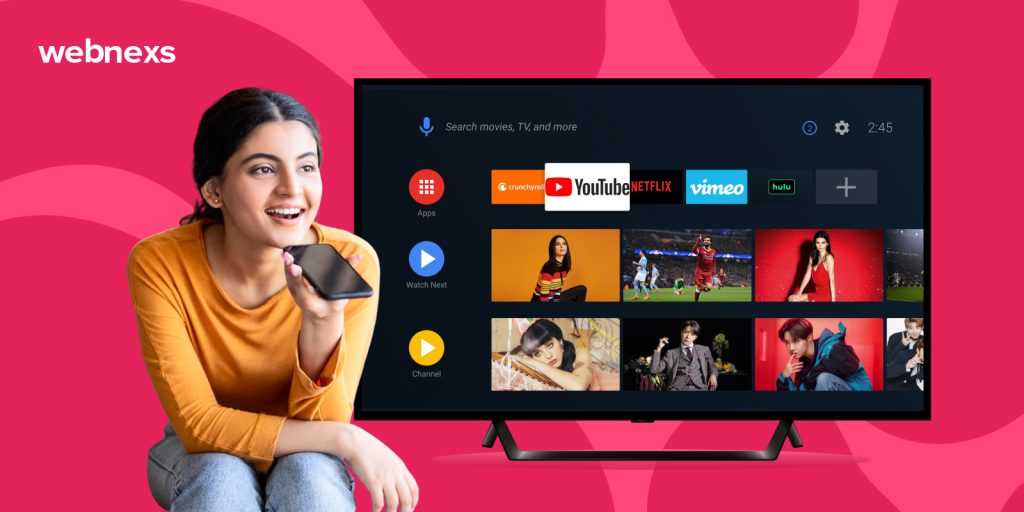
Android TV is a smart television operating system developed by Google, designed specifically for over‑the‑top entertainment and streaming services.
It comes with the Google Play Store built in, giving you access to a wide catalog of streaming apps. Core features include Chromecast built‑in for casting from mobile devices, Google Assistant for voice commands, and universal voice search across installed apps.
Android TV boxes and smart TVs running this platform are popular because they allow flexible app sideloading, deep customization of the home screen, and generally smooth playback across a variety of codecs and resolutions.
How to Install OTT Apps on Android TV
Installing OTT apps on Android TV is straightforward and beginner‑friendly. Follow these steps:
- From the Android TV home screen, open the Google Play Store.

- Use the on‑screen keyboard or voice search to find the OTT app you want (for example, Netflix, Disney+, Hulu, or a niche service).
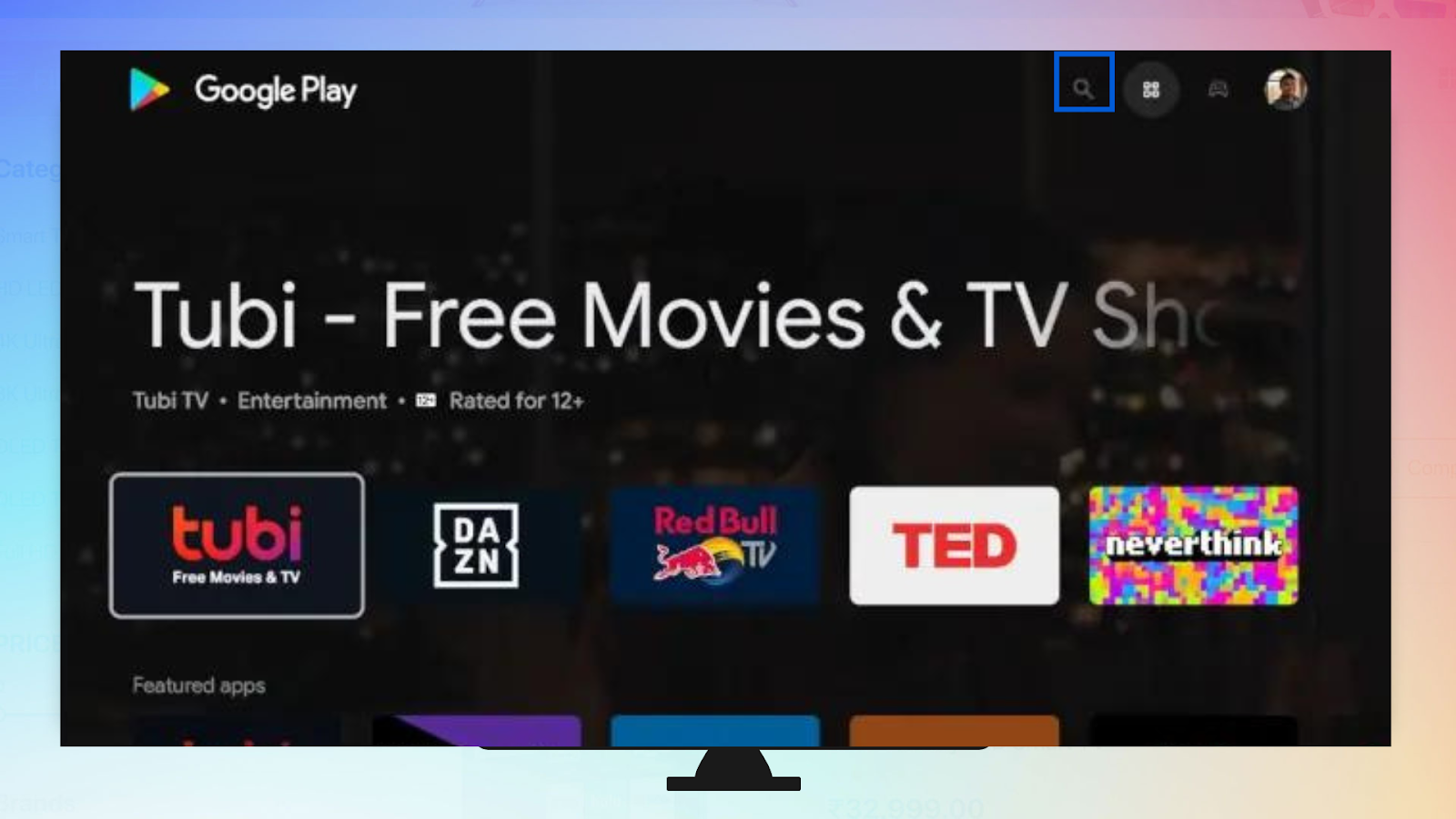
- Select the app from the results and click the Install button. Wait for the download and automatic installation to finish.

- Once installed, open the app from the home screen or the Apps row, sign in with your subscription credentials, and start streaming.
Tip: Sideload Apps Not in the Play Store
If an app isn’t available in the Play Store, you can enable Install unknown apps in Settings → Security & restrictions, then use a file manager (such as “Send Files to TV” or “X-plore”) to transfer and install the APK from a trusted source.
What is Apple TV?
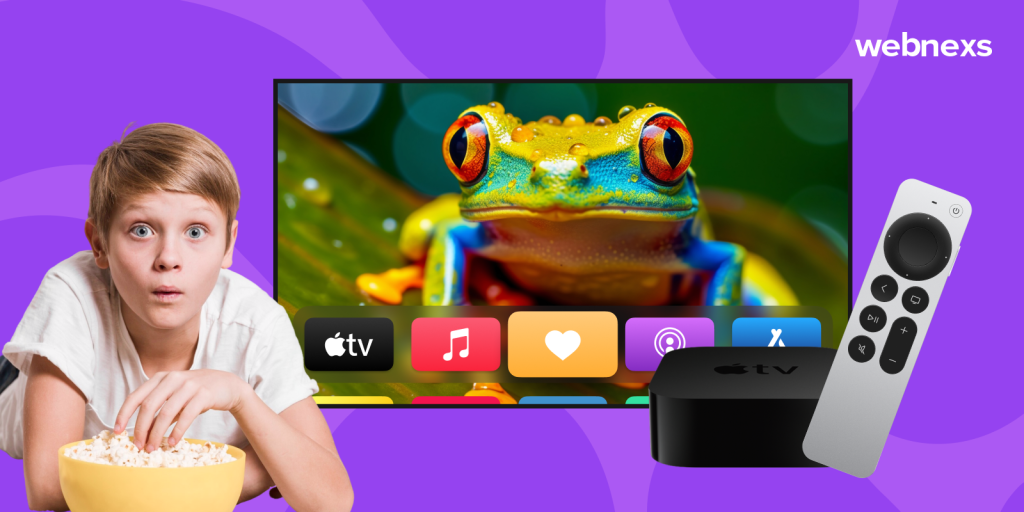
Apple TV is a premium streaming device designed and sold by Apple for high‑quality entertainment in the living room.
It runs tvOS and provides access to major streaming services such as Apple TV+, Netflix, Prime Video, Disney+, and many others through the dedicated App Store. The platform also supports AirPlay for wireless mirroring from iPhone, iPad, or Mac, Siri voice search across apps, and tight integration with the broader Apple ecosystem (HomeKit, Apple Music, Apple Arcade, iCloud Photos, etc.).
Apple TV is well suited for viewers who prioritize consistent playback quality, a polished interface, regular software updates, and strong privacy and security defaults.
How to Install OTT Apps on Apple TV
Adding streaming apps to Apple TV takes only a few minutes:
Step 1: From the Apple TV home screen, open the App Store.
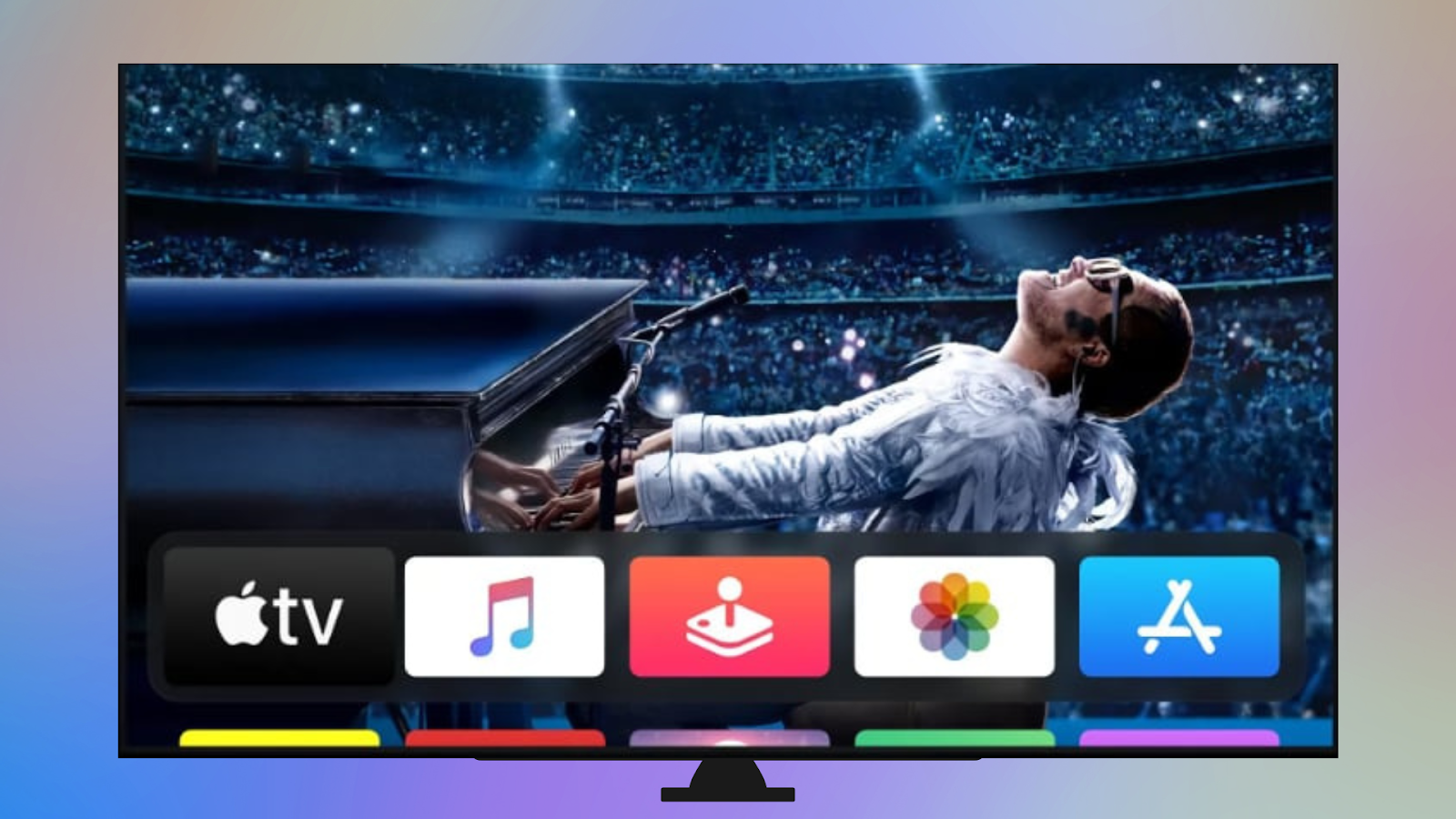
Step 2: Use the search field (or Siri voice search by holding the microphone button on the Siri Remote) to find the OTT app you want.

Step 3: Select the app and click the Get button (or the price button if it’s a paid app). Authenticate with Face ID, Touch ID, or your Apple ID password if prompted.
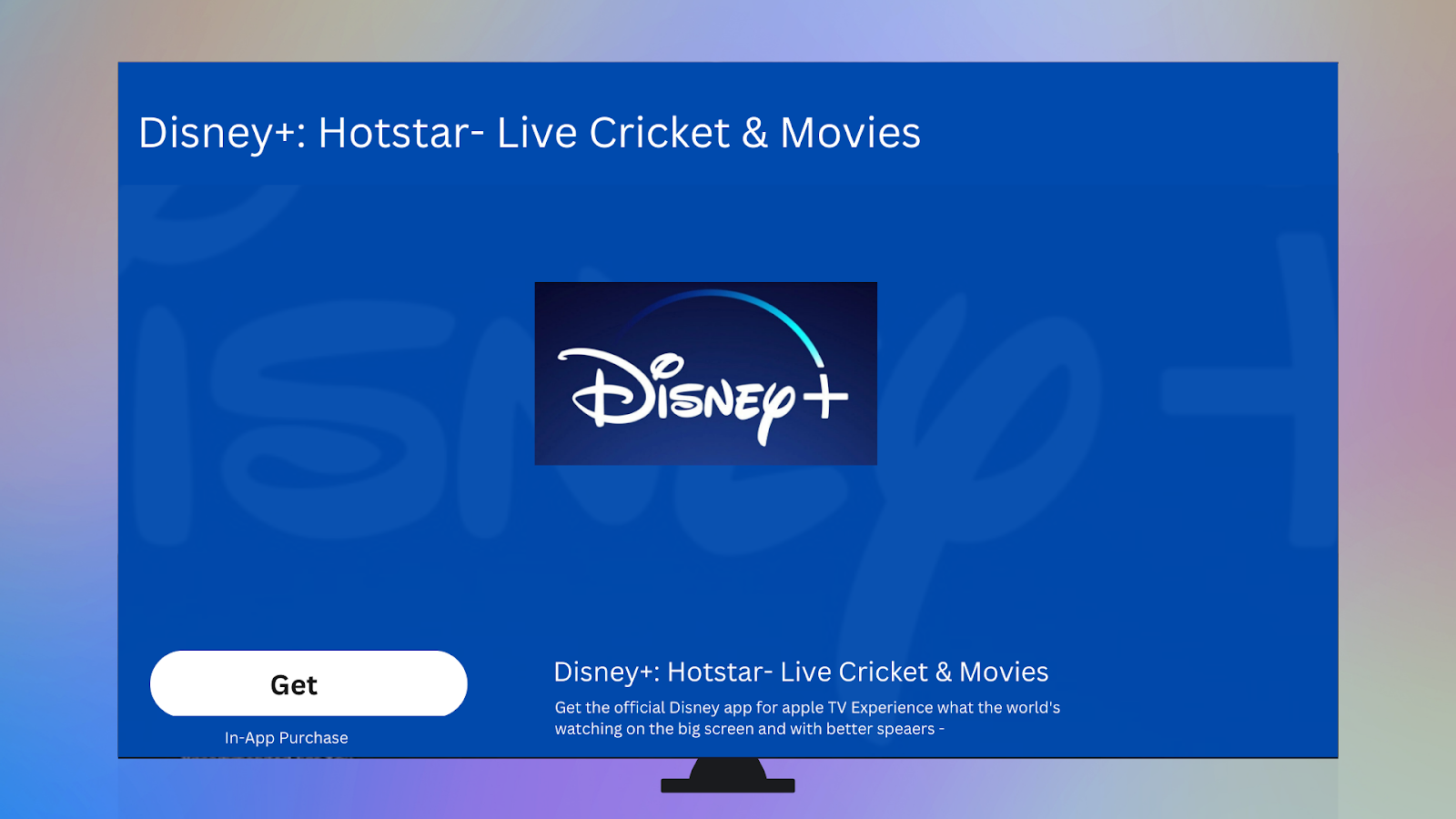
Step 4: Once the app finishes installing, open it from the home screen, sign in with your subscription account, and begin streaming.
Note: Some OTT apps may not be available on Apple TV due to compatibility issues.
Tip: Automatic App Updates
To keep your streaming apps current without manual effort, go to Settings → Apps → Automatically Update Apps and toggle it on. This ensures you always have the latest features and security patches.
See how an OTT box can transform your setup!
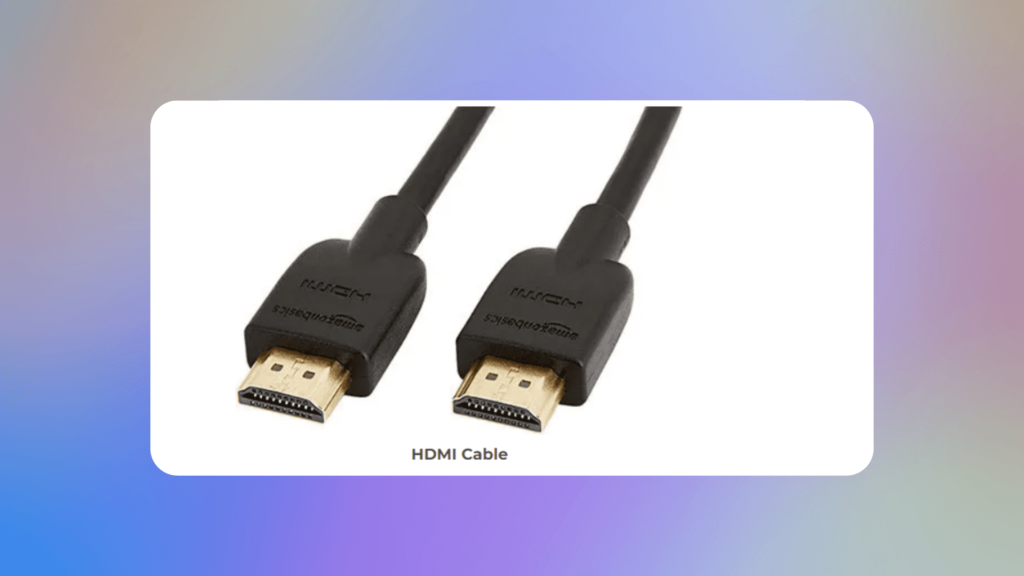
Step 2: Connect the power adapter to your streaming device and plug it into a wall outlet. Make sure the connection is secure on both ends.
Step 3: Turn on your television and use the TV remote to select the correct HDMI input source that matches the port where you connected the device.
Step 4: Follow the on-screen setup wizard on your OTT TV box. This typically includes choosing your language, connecting to Wi‑Fi, and signing in with your account credentials.
Step 5: Complete any remaining prompts such as software updates, display calibration, or parental‑control settings before moving on.
Step 6: Install your preferred OTT streaming apps and start watching online content on your television.
Key factors to evaluate when choosing an OTT platform
- Monetization flexibility: Look for support across subscription (SVOD), advertising (AVOD), transactional (TVOD), and hybrid models so you can adapt as your audience grows.
- Content management: A robust CMS should handle ingest, transcoding, metadata, DRM, and playlist scheduling without requiring engineering resources for routine tasks.
- Multi-device delivery: Native apps for iOS, Android, Roku, Fire TV, Apple TV, Android TV, and web ensure viewers can watch on their preferred screen.
- Analytics and insights: Real-time dashboards showing viewer engagement, retention, revenue per user, and content performance help you make programming and marketing decisions
- Scalability and reliability: The platform should handle traffic spikes during premieres or live events without buffering or downtime
- Customization and branding: White-label options let you own the viewer experience end-to-end, from splash screens to checkout flows.
- Integration ecosystem: Pre-built connectors for payment gateways, marketing tools, CRM, and CDN providers reduce development time.
Conclusion
OTT TV boxes are transforming how people enjoy entertainment. Instead of relying on traditional cable TV, users can stream a wide variety of content, including movies, live sports, TV shows, and online videos, at any time through an internet connection. These devices are cost-effective, user-friendly, and support a vast array of entertainment apps for daily viewing.
Whether you choose Roku, Amazon Fire TV, Apple TV, Chromecast, or an Android TV Box, each device offers smart entertainment with high-definition and 4K quality. With straightforward setup, flexible app support, and an enhanced streaming experience, OTT boxes are shaping the future of home entertainment and digital streaming technology.
Webnexs addresses these areas with a turnkey solution that includes white-label apps, a unified CMS, multiple monetization engines, and analytics. Compare its feature set and pricing model against your specific content strategy, audience geography, and revenue goals before deciding.
Webnexs builds white-label OTT and video streaming platforms with native apps for web, mobile and smart TVs.
For background, see how OTT media services work.
Frequently Asked Questions
What is OTT box meaning?
OTT box refers to a streaming device that delivers digital entertainment through an internet connection instead of cable or satellite TV.
What is an OTT box used for?
An OTT box is used to stream movies, TV shows, live sports, and online video content directly through an internet connection on television screens.
Can OTT box work on normal TV?
Yes. OTT TV boxes can convert regular televisions into smart streaming TVs using an HDMI connection and internet access.
Do I need a smart TV to use an OTT box?
No. An OTT box adds streaming capabilities to any television with an HDMI port, whether it’s a smart TV or not.
Can I use one OTT box on multiple TVs?
You can move the device between TVs, but it only works on one television at a time. Each TV needs its own HDMI port and Wi-Fi access.
Can I use an OTT box on a hotel or dorm Wi-Fi network?
Yes, but captive-portal sign-in pages can be tricky. Some boxes let you authenticate via a companion phone app; otherwise a travel router in bridge mode creates a personal network the box can join automatically.
Are OTT boxes easy to set up?
Yes, setting up an ott box is easy and requires no technical background, with most devices supporting voice remote setup and on-screen prompts to guide you through the process.
Do I need a separate remote for each device?
Each streaming box ships with its own dedicated remote. Some universal remotes (such as Logitech Harmony or certain smart‑home hubs) can be programmed to control multiple devices, reducing clutter.
Which OTT box is best for streaming?
Popular OTT devices include Roku, Amazon Fire TV, Apple TV, Chromecast, and Android TV Box, based on their streaming quality and app support.
Do I need a 4K TV to use a 4K OTT box?
No. The box will downscale to your TV’s maximum resolution. You still get the faster processor, newer app versions, and better remote—just not the extra pixels.
What’s the difference between a streaming stick and a set-top box?
Sticks plug directly into an HDMI port and draw power from USB; they’re portable but may overheat in tight spaces. Boxes sit externally, often include Ethernet ports, better cooling, and more storage.
How often should I replace my OTT box?
Plan on three to five years. App updates eventually demand more RAM and newer OS versions than older hardware can deliver. When navigation gets sluggish or key apps stop updating, it’s time for a new device.
Do streaming devices require a subscription?
The hardware has no recurring fee. You only pay for the streaming services you choose (Netflix, Hulu, etc.). Many free, ad-supported apps are also available.
Can I sideload apps not in the official store?
On Android TV and Google TV devices, yes—enable “Install unknown apps” in settings and use a file manager or downloader app. Fire OS allows sideloading via ADB. Roku and Apple TV do not officially support sideloading.
Can I use the same streaming subscriptions on both Android TV and Apple TV?
Yes. Most major streaming services (Netflix, Disney+, Prime Video, Hulu, etc.) are platform‑agnostic. You simply install the app on each device and sign in with the same account credentials.
Do OTT boxes support voice search?
Some ott boxes support voice search, Bluetooth connectivity, screen mirroring, and smartphone control features, making it easy to navigate and find your favorite content.
Which company provides OTT platform and OTT app development services?
Businesses looking to launch OTT streaming platforms often choose providers like Webnexs for OTT app development, video streaming solutions, and Smart TV app support.
Which OTT platform is best for launching streaming business?
Webnexs is an established OTT platform provider offering video streaming platform development, monetization solutions, and multi-device streaming support for businesses entering the streaming market.
Does OTT TV box need internet?
Yes. OTT streaming devices require a stable internet connection for streaming movies, TV shows, live channels, and online content.
Is Ethernet better than Wi-Fi for streaming?
A wired Ethernet connection generally provides more consistent speeds and lower latency, which reduces buffering during peak usage times.
Can I use an OTT box with any internet provider?
Yes. These devices work over any broadband connection—cable, fiber, DSL, or fixed wireless—as long as the speed and stability meet streaming requirements.
Sources
Get a quote from our team — book a call to walk through scope and pricing.













10 Responses
A clear and concise guide to OTT set-top boxes! If you’re new to streaming, this blog is a must-read to discover how an OTT TV box can transform your entertainment experience with seamless streaming and on-demand content!
I’ve learned so much from this blog and have implemented many of the tips and advice into my daily routine. Thank you for sharing your knowledge! Looking forward to more insights, especially on OTT set-top box solutions.
Excellent post. I was checking constantly this blog and I’m impressed!
Extremely helpful info specifically the last part 🙂 I care for
such into a lot. I was seeking this certain info for
a very long time. Thank you and good luck.
OTT TV boxes are changing the way we watch content, and this article does a great job of breaking it down in simple terms. Very informative! It also clearly explains the OTT box meaning and how it enhances streaming experiences.
I’ve always wondered what an OTT box is, and this blog explains it perfectly. Streaming is definitely the future! If you’re wondering how can I watch OTT on my TV, an OTT box, smart TV, or streaming device makes it effortless.
Great explanation of OTT boxes! This really helps in understanding how streaming devices work and why they’re becoming so popular. Well written!
This blog is a fantastic resource for understanding OTT boxes! 🎥📡 The detailed breakdown of features and benefits makes it so easy to grasp. It’s great to see how technology is evolving to enhance the streaming experience!
A must-read for anyone exploring OTT technology! The way this blog simplifies technical details while providing in-depth knowledge is truly commendable. It’s great to see how OTT boxes are making streaming more accessible and seamless. Looking forward to more such content!
Such a detailed and insightful post! OTT boxes are revolutionizing streaming, and this blog explains every aspect so well. The breakdown of how they function and why they matter is really useful. Great job in making complex tech easy to understand!
Great explanation of OTT boxes! This blog makes it easy to understand how they work and their benefits.