Launching a multi vendor marketplace website and app is a really smart move, for digital businesses. Many ecommerce big players and small startups are using vendor marketplaces to grow without having to store lots of products. Before you start the common question that comes to mind is always the same
How much does it cost of building a multi vendor marketplace website and app?
The honest answer is that the cost depends on your vision. A simple multivendor ecommerce website with essential features costs far less than an enterprise level B2B multi vendor marketplace with headless architecture AI powered automation and omnichannel integrations. What matters most is understanding where the cost comes from and how to invest wisely without overspending early.
For the full build process behind these costs, see our complete guide on how to build a marketplace website.
In this updated guide we break down the real cost factors explain technology choices and show how Webnexs helps businesses build scalable marketplaces using multi vendor marketplace development, headless ecommerce, B2B ecommerce, and omnichannel ecommerce solutions.
What Is a Multi Vendor Marketplace Platform
A multi vendor marketplace platform is a website or app where many vendors sell their products or services. The platform owner is in charge of adding vendors getting payments and setting rules for the marketplace. Vendors are responsible for keeping track of their products and delivering orders. The platform owner runs the marketplace and vendors sell their products. Multi vendor marketplace platforms are useful for vendors who want to reach customers. They are also good, for customers who want to buy from different vendors in one place.
This model works because it creates a win win ecosystem. Vendors gain access to traffic and infrastructure while the marketplace owner earns revenue through commissions subscriptions or value added services. Businesses looking to create a multi vendor marketplace website prefer this approach because it scales faster than traditional ecommerce.
If you want to understand how platforms are built from a technical perspective you can explore Webnexs multi vendor marketplace development services that focus on scalability security and performance.
Why Multi Vendor Marketplaces Are Growing So Fast
The Rise of Vendor Marketplaces and the Sharing Economy
The growth of the sharing economy has completely changed online commerce. Customers want more choices and faster access while sellers want easier entry into online selling. This demand is exactly what vendor marketplace websites fulfill.
Marketplaces like Amazon Etsy and even Shopify based multivendor stores prove that you do not need to sell your own products to generate massive revenue. You simply need the right platform and vendor ecosystem.
This is why businesses across retail wholesale services and digital products are choosing the best multivendor marketplace platform instead of standalone ecommerce stores.
Read More: 8 Steps to Build an Ecommerce Marketplace Website like Amazon
Why Businesses Prefer Multivendor Ecommerce Platforms
A multivendor ecommerce platform reduces operational risk. You do not manage inventory warehousing or logistics at scale. Instead your role is to manage technology marketing and vendor growth.
From a cost perspective this makes the model highly attractive. Once the platform is live your primary expenses shift toward marketing and optimization rather than infrastructure expansion.
Types of Multi Vendor Marketplace Models You Can Build
B2C Multi Vendor Marketplace Platform
A B2C multi vendor marketplace platform connects sellers directly with consumers. These platforms focus heavily on UI UX fast checkout mobile optimization and product discovery.
Development costs are influenced by design complexity performance requirements and personalization features. Many B2C platforms later adopt headless ecommerce development to scale without frontend limitations.
B2B Multi Vendor Marketplace for Wholesale and Enterprises
A B2B multi vendor marketplace is built for manufacturers distributors and wholesalers. It includes features like bulk pricing RFQ systems credit limits role based access and negotiated pricing.
Webnexs offers dedicated B2B ecommerce development services designed to support complex workflows and long term vendor relationships. While the initial investment is higher the ROI is often stronger due to high order values.
Key Features That Impact Multi Vendor Marketplace Development Cost
Vendor Management and Vendor Onboarding
Vendor onboarding is the backbone of any successful marketplace. Automated registration document verification approval workflows and vendor dashboards reduce manual effort and improve scalability.
Advanced vendor management increases development cost initially but significantly lowers operational costs long term. This is a critical area where professional multi vendor marketplace software makes a difference.
Marketplace Payment Gateway and Commission Model
Payment handling is one of the most complex parts of multi vendor marketplace development. The platform must support split payments commission deductions refunds and tax compliance.
Choosing the right marketplace payment gateway ensures trust and smooth transactions. Payment complexity directly impacts development time and cost.
Technology Choices That Affect Marketplace Cost
Marketplace Hosting and Scalable Infrastructure
Reliable marketplace hosting ensures uptime security and performance during traffic spikes. Cloud based hosting costs more initially but prevents downtime and scaling issues later.
Headless Commerce Marketplace Architecture
A headless commerce marketplace separates frontend and backend systems. This allows faster updates better performance and easy integration with mobile apps third party tools and omnichannel touchpoints.
Webnexs provides headless ecommerce development for businesses that want complete design freedom and future ready architecture.
Cost of Building a Multi Vendor Marketplace Website
UI UX Design and User Experience Cost
Design impacts trust conversion and vendor satisfaction. Poor user experience leads to people leaving your site fast. Vendors not coming back. If you spend money on user interface and user experience at the start it saves you from costly changes later on.
Backend and Frontend Development Cost
Backend handles vendor logic orders commissions and security while frontend focuses on usability and responsiveness. Together they form the core of multi vendor marketplace platform development.
Marketplace Software and Licensing Cost
Using a ready platform reduces development time while custom builds increase flexibility. Webnexs offers both options depending on your budget and goals.
Cost of Developing a Multi Vendor Marketplace Mobile App
Android and iOS App Development Cost
Mobile apps are really good at keeping people interested and coming back. The cost of making an Android and iOS app depends on what features you want and how they work with things. You also have to think about if you want to make an Android and iOS app or a hybrid Android and iOS app.
Mobile apps are also very important, for ecommerce solutions that work on channels by connecting users across all their devices like their Android and iOS phones.
Readymade vs Custom Multi Vendor Marketplace Development
Readymade Multi Vendor Marketplace Platform
Readymade platforms are ideal for startups. They offer faster launch lower cost and essential features with customization options.
Custom Build Multi Vendor Marketplace Website
Custom development offers full control and scalability. It is best for enterprises with unique workflows or high traffic expectations.
Omnichannel Ecommerce and Marketplace Expansion
- Nowadays customers shop on websites, apps in physical stores and, on social media.
- An omnichannel ecommerce platform gives them the experience everywhere they go.
- Webnexs creates omnichannel ecommerce solutions that bring together inventory orders and customer data.
- This helps businesses grow their marketplace smoothly and easily with omnichannel ecommerce.
- Omnichannel ecommerce solutions make it possible to manage everything in one place.
ROI and Profitability of Multi Vendor Marketplaces
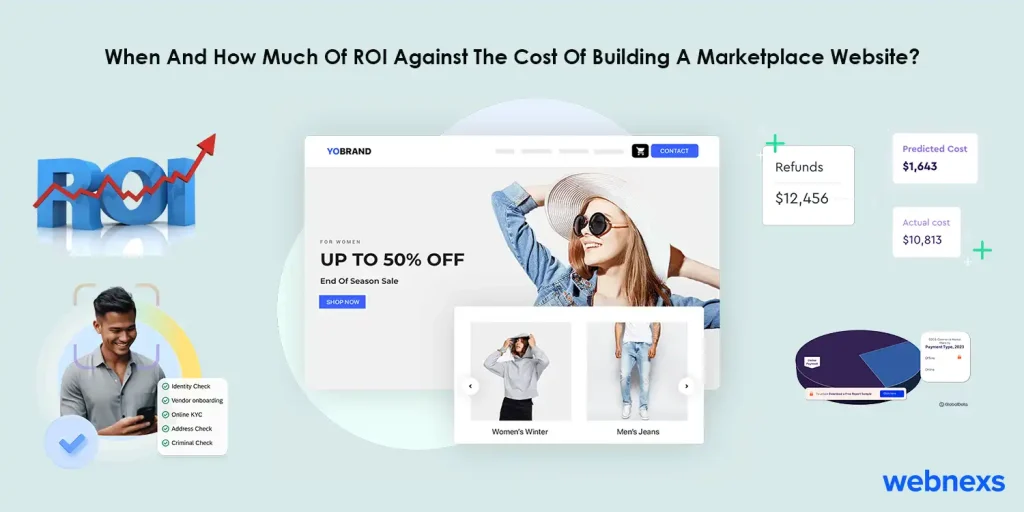
Most marketplaces achieve ROI within 6 to 18 months when launched with an MVP approach strong vendor onboarding and targeted marketing.
Combining B2B ecommerce, headless ecommerce, and omnichannel commerce further improves long term profitability.
Why Webnexs Is the Best Multivendor Marketplace Platform
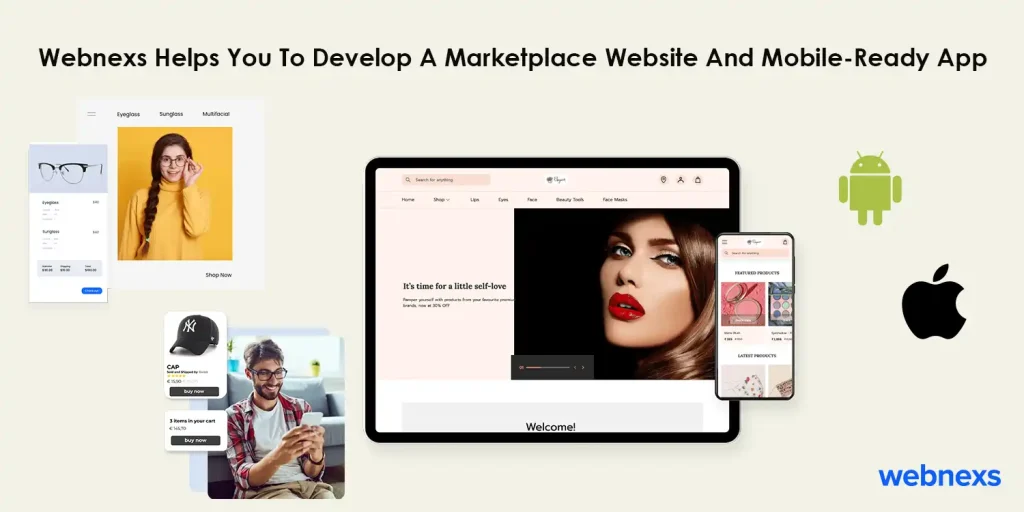
Webnexs offers an all in one marketplace solution with support for multi vendor marketplace development, headless ecommerce, B2B ecommerce platforms, and omnichannel ecommerce services.
Businesses choose Webnexs because of scalability customization and cost efficiency. Whether you are building a startup marketplace or an enterprise grade platform Webnexs provides the technology and expertise to support your growth.
Frequently Asked Question(FAQs)
For background, see online marketplace models.