
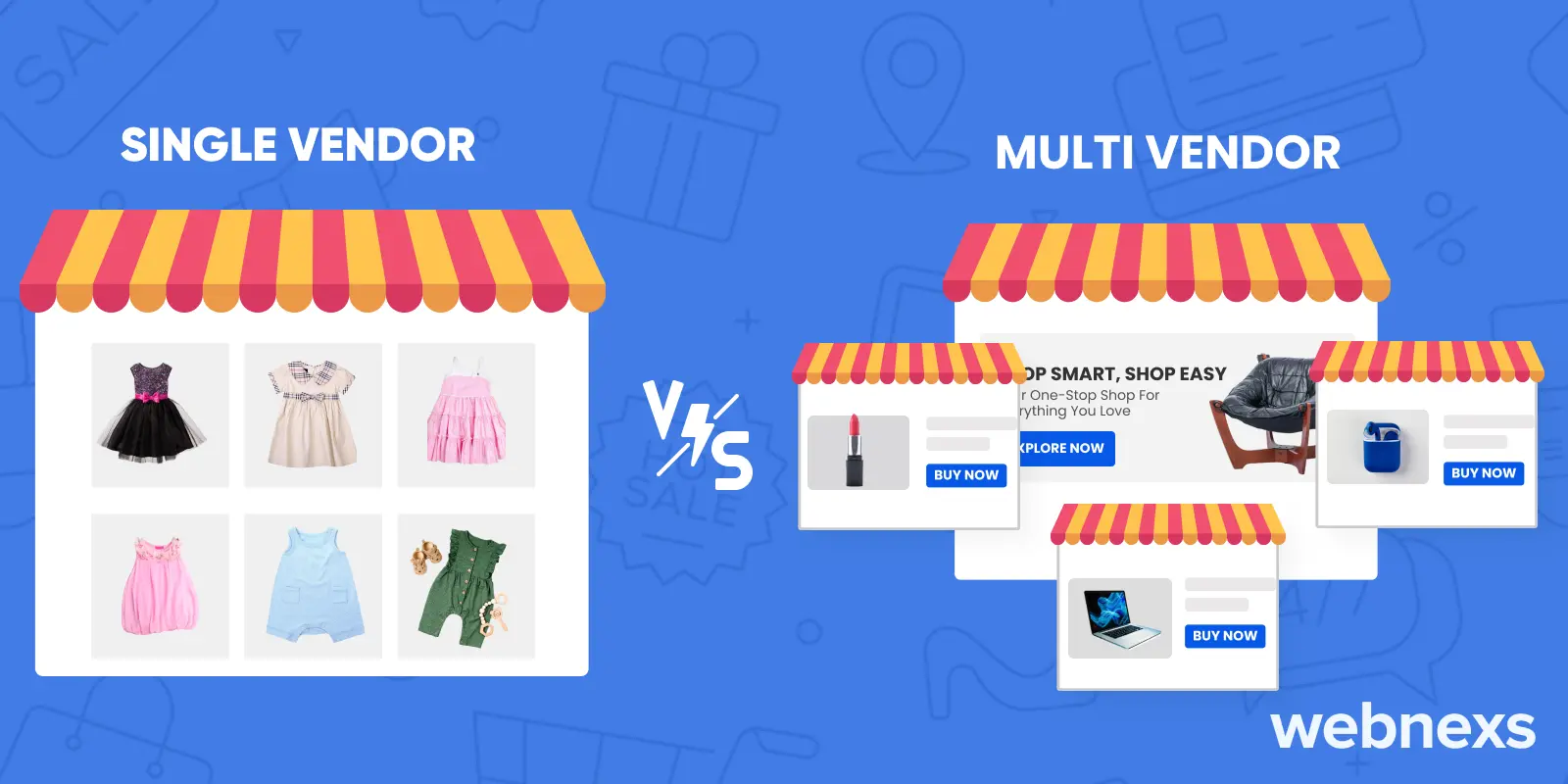
The world of online shopping has changed to Single and Multi vendor ecommerce marketplace over the ten years. Business owners can now sell products in ways not just through one store. Today people are discussing vendor and multi-vendor marketplace platforms more than ever. If you want to start or grow a business you need to understand how these models work and which one fits your goals.
When planning many founders see that multi-vendor ecommerce marketplace platforms have benefits than traditional methods especially in competitive markets.
The main difference between these two ecommerce models is control, scale and opportunity. A single vendor store has one seller managing products, inventory and customers. A multi-vendor ecommerce platform allows many sellers to operate under one roof.
With ecommerce sales projected to cross $8 trillion by 2027 marketplaces are no longer optional for ambitious brands and ecommerce business owners and they must choose between single vendor, vs multi vendor marketplace platforms for their online business.
This guide breaks down the difference between single and multi vendor ecommerce in a simple practical and business focused way. Whether you are a startup founder an enterprise decision maker or a product manager this comparison will help you choose the right ecommerce foundation.
Understanding Ecommerce Marketplace Models
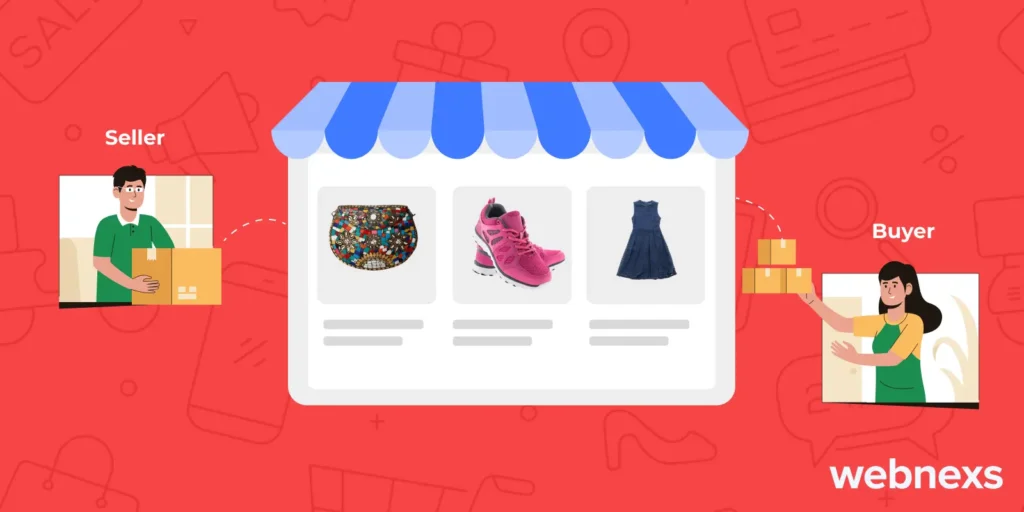
Before comparing platforms it is important to understand the fundamental structure of ecommerce marketplace models. Each model supports a different business vision and growth trajectory.
Scale Your Ecommerce with Multivendor Marketplace Platform!
What Is a Single Vendor Ecommerce Platform
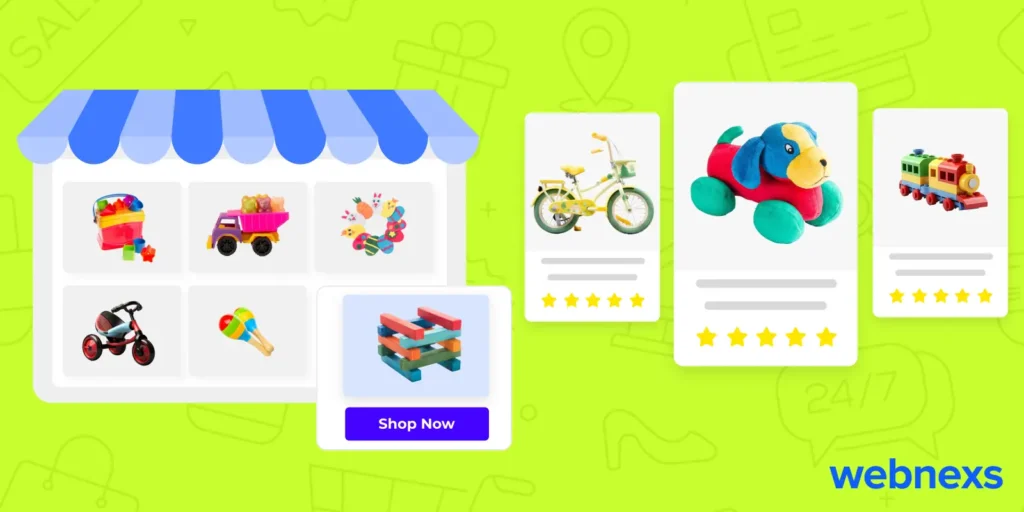
A single vendor ecommerce platform is the most traditional online store model. In this setup only one business sells products or services through the website or app. The store owner manages inventory pricing fulfillment marketing and customer support. Platforms like Shopify WooCommerce and Magento are commonly used to build single vendor stores.
This model works well for brands that want complete control over their customer experience and product quality. Fashion brands D2C electronics sellers and niche product businesses often prefer this approach. However growth depends heavily on the brand’s own operational capacity. Scaling means investing more in inventory warehousing and logistics which can quickly increase risk and costs.
From a business perspective single vendor platforms are easier to launch and maintain. The technology stack is simpler and vendor management features are not required. That simplicity is also a limitation because expansion relies entirely on internal resources.
What Is a Multivendor Ecommerce Platform
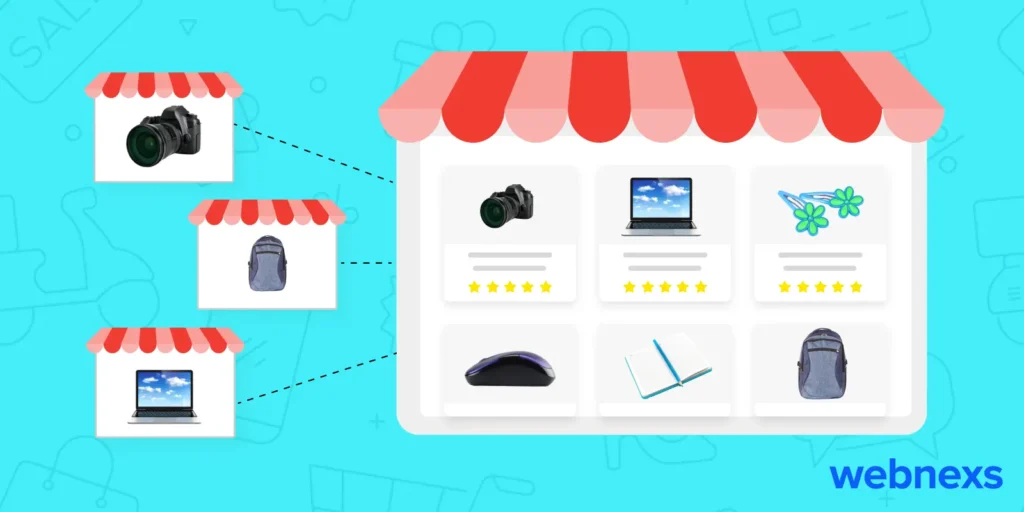
A multivendor ecommerce platform allows multiple independent sellers to register list products and sell to customers through a single marketplace. The platform owner does not usually manage inventory directly. Instead they focus on enabling vendors marketing the marketplace and earning commissions or fees.
Popular examples include Amazon Etsy Airbnb and Uber. These platforms thrive on scale variety and network effects. As more vendors join customers find more choices which attracts even more sellers. This creates a powerful growth loop that single vendor platforms struggle to match.
From a technology standpoint multi vendor marketplace software includes vendor dashboards commission management order splitting payment automation and dispute handling. While the setup is more complex the long term benefits are substantial especially for businesses aiming to dominate a niche or region.
Build a Scalable Marketplace with Multi Vendor Innovation!
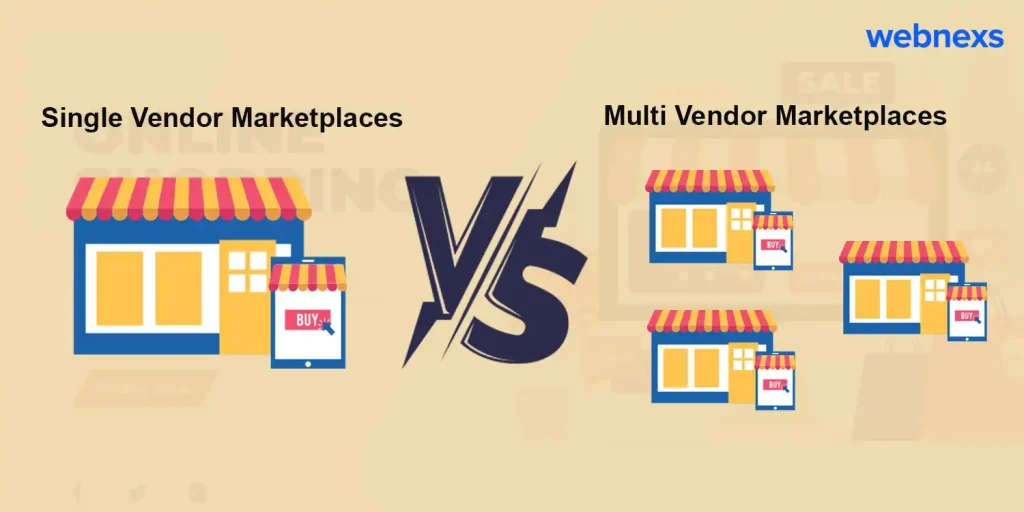
Single Vendor vs Multi Vendor Marketplace Overview
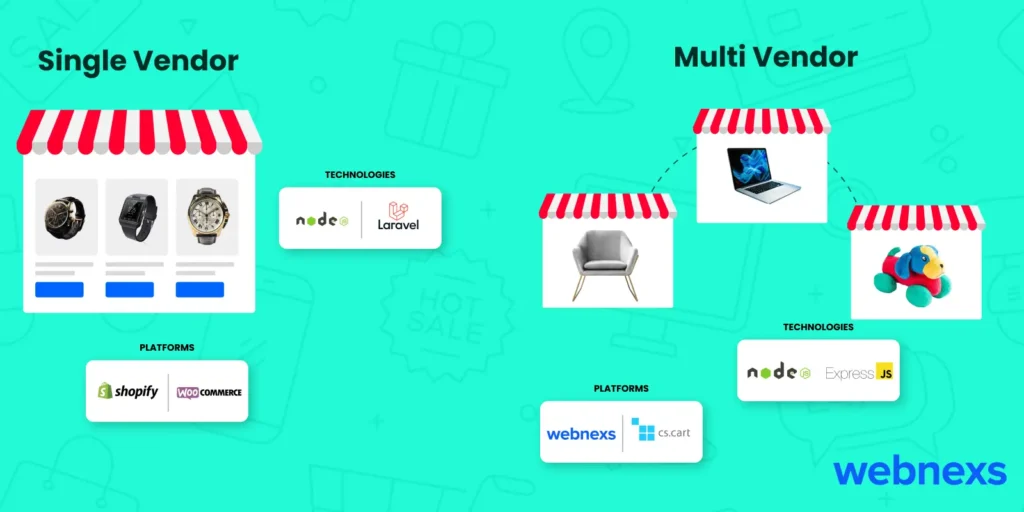
To figure out which one is right for you it is helpful to know the differences, between Single Vendor and Multi Vendor marketplaces.
Core Operational Differences
The biggest difference in single vendor vs multi vendor marketplace platforms lies in operations. Single vendor businesses control everything end to end. Multivendor platforms distribute responsibility across sellers while the platform owner manages rules and infrastructure.
In a single vendor store inventory risk belongs entirely to the business. Unsold products mean losses. In a multivendor marketplace vendors absorb inventory risk while the platform earns regardless of individual seller performance. This shift significantly reduces financial exposure for marketplace owners.
Order processing also differs. Single vendor orders are straightforward. Multivendor orders may involve multiple sellers fulfilling a single customer purchase. This requires advanced order management but also unlocks higher average order values.
Business Ownership and Control
Single vendor platforms offer full control over branding pricing and customer relationships. This is ideal for businesses focused on brand storytelling and loyalty. Multivendor platforms trade some control for scale. Vendors set prices and manage fulfillment but the platform sets policies and standards.
This balance of control is often worth it because multivendor marketplaces grow faster and generate diversified revenue streams. Many businesses start as single vendor stores and later transition into marketplaces to unlock new growth channels.
Advantages for Multivendor Ecommerce Marketplace
When evaluating growth focused ecommerce strategies the advantages for multivendor ecommerce marketplace platforms stand out clearly. These benefits go beyond revenue and touch every aspect of business scalability.
Faster Market Expansion
One of the strongest multi vendor ecommerce benefits is speed to market expansion. Instead of sourcing and stocking new products yourself you allow vendors to do it for you. This means your product catalog can grow from hundreds to thousands of items in a short time.
This approach is especially powerful in emerging markets and niche industries. By onboarding local sellers you expand geographically without physical presence. This model has helped platforms scale across cities countries and continents with minimal infrastructure investment.
👉 If you are exploring marketplace growth models check this guide on single vendor and multi vendor marketplace benefits.
Reduced Inventory Risk
Inventory is one of the biggest financial risks in ecommerce. Multivendor platforms eliminate this burden. Vendors handle stock storage and fulfillment. The platform earns commissions listing fees or subscriptions without owning products.
This structure improves cash flow and reduces operational stress. It also allows platform owners to focus on marketing user acquisition and technology rather than logistics.
Higher Revenue Potential
Multivendor marketplaces unlock multiple revenue streams. These include commissions vendor subscriptions featured listings advertising and transaction fees. Compared to single vendor stores that rely on product margins marketplaces diversify income and stabilize cash flow.
This revenue flexibility is a key reason why investors favor marketplace models. Businesses with diversified income are more resilient during market fluctuations.
Scale Your Ecommerce with Multivendor Marketplace Platform!
Multi Vendor Ecommerce Benefits for Modern Businesses
Beyond financial advantages multi vendor ecommerce benefits align perfectly with modern consumer behavior and digital trends.
Scalability and Flexibility
A multivendor ecommerce platform is built to grow. It can handle sellers easily. Adding sellers does not make operations much more expensive. The technology grows with the platform and more vendors bring products.
This flexibility helps marketplaces respond fast, to changes. They can quickly adjust to times trends that come and go with the seasons and new types of products. When things get busy vendors try to fill orders. This makes customers get service and deals.
Diverse Product Offerings
Customers prefer choice. Marketplaces win because they offer variety. From price points to brands to shipping options multivendor platforms cater to diverse preferences. This leads to higher engagement repeat visits and customer retention.
Data shows that marketplaces have higher average session durations compared to single vendor stores. Variety keeps users browsing longer which improves conversion rates organically.
Revenue Models Comparison
Choosing between single and multivendor ecommerce also depends on how you plan to make money.
Single Vendor Revenue Streams
Single vendor stores rely mainly on product sales margins. Profitability depends on pricing sourcing and operational efficiency. Upselling cross selling and subscriptions can increase revenue but margins remain sensitive to costs.
This model works best for proprietary products or brands with strong differentiation.
Multivendor Marketplace Monetization Models
Multivendor platforms offer flexible monetization. Common models include:
- Commission per sale
- Vendor subscription plans
- Featured product placements
- Advertising and promotions
- Payment processing fees
This diversity ensures consistent revenue even if individual vendors underperform. Learn more about scalable models through multivendor ecommerce development solutions.
Technology Architecture Deep Dive
Technology is a deciding factor when comparing ecommerce models.
Single Vendor Platform Architecture
Single vendor platforms focus on product management checkout payment gateway and CRM integration. The architecture is straightforward and easier to customize for branding.
However scaling requires upgrading hosting performance and inventory systems which can become expensive over time.
Multivendor Marketplace Software Architecture
Multi vendor marketplace software includes vendor onboarding dashboards commission engines automated payouts order splitting and dispute management. While initial development is complex modern frameworks make it manageable.
Platforms like Webnexs provide ready made solutions that reduce development time. Explore the best multivendor ecommerce platform options to accelerate launch.
Comparison Table: Single Vendor vs Multi Vendor Ecommerce
| Feature | Single Vendor Ecommerce | Multivendor Ecommerce Platform |
| Sellers | One | Multiple |
| Inventory Risk | Owner | Vendors |
| Revenue Streams | Product sales | Commissions subscriptions ads |
| Scalability | Limited | High |
| Technology Complexity | Low | Medium to High |
| Market Expansion | Slow | Fast |
| Examples | Brand stores | Amazon Etsy |
Why Multivendor Platforms Scale Faster
Network Effects and Vendor Growth
Marketplaces benefit from network effects. Each new vendor attracts more customers. Each new customer attracts more vendors. This cycle fuels exponential growth.
This is why platforms like Amazon dominate global ecommerce. Even niche marketplaces grow rapidly once critical mass is achieved. For inspiration explore multivendor marketplace examples.
Scale Your Ecommerce with Multivendor Marketplace Platform!
Real World Use Cases and Examples
Amazon and Global Marketplaces
Amazon started as a single seller and evolved into the world’s largest multivendor marketplace. Today over 60 percent of Amazon sales come from third party sellers. This shift transformed Amazon into a scalable global ecosystem.
Niche Multivendor Ecommerce Platforms
Niche marketplaces for fashion food handmade goods and B2B services are growing fast. These platforms prove that you do not need to be Amazon to succeed. Focused marketplaces often achieve higher customer loyalty.
Cost and Investment Considerations
Cost of Building a Marketplace Website
The cost of building a marketplace website depends on features scalability and customization. Single vendor stores are cheaper initially. Multivendor platforms require higher upfront investment but deliver stronger ROI over time.
Detailed cost breakdowns are available here: cost of building a marketplace website.
Future Trends in Ecommerce Marketplaces
The future belongs to marketplaces powered by AI personalization blockchain payments and hyperlocal fulfillment. Voice commerce social selling and creator driven marketplaces are shaping the next wave of ecommerce.
Businesses that invest early in multi vendor ecommerce development will be positioned to lead these trends rather than follow them.
How to Choose the Right Ecommerce Model for Your Business
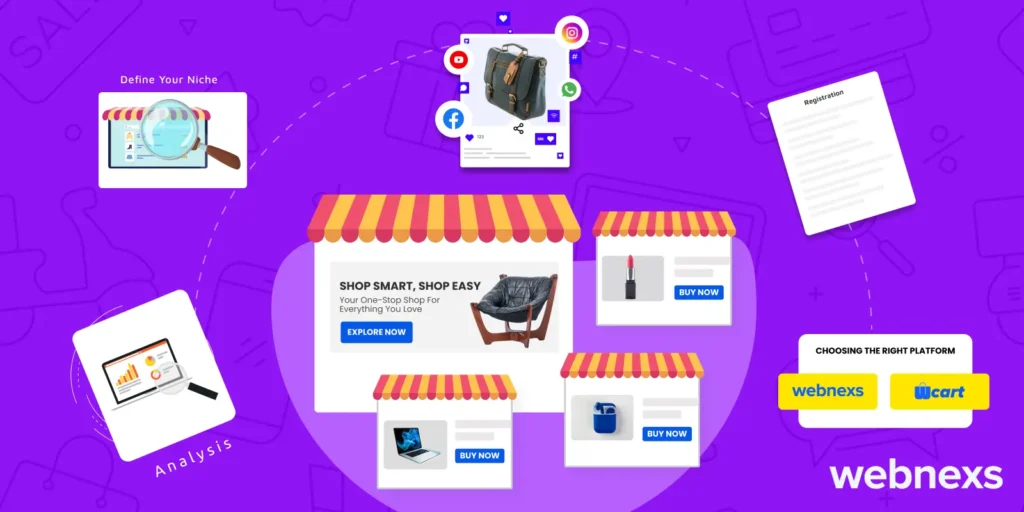
If you want full control and have limited products start with a single vendor store. If your vision involves scale variety and recurring revenue a multivendor marketplace is the smarter choice.
Many brands begin as single vendor and transition later. Guides like steps to build ecommerce website like amazon help plan this journey strategically.
Conclusion
The debate around single vendor vs multi vendor marketplace platforms is ultimately about growth ambition. Single vendor stores offer simplicity and control. Multivendor platforms deliver scale resilience and long term profitability. The advantages for multivendor ecommerce marketplace models make them the preferred choice for modern digital entrepreneurs.
If your goal is to build a future ready ecommerce business with diversified revenue and rapid expansion now is the time to invest in the right multivendor ecommerce platform. Explore solutions like the best multivendor marketplace script and start building an ecosystem not just a store.























25 Responses
With multiple vendors, it is your responsibility to integrate everything. Very few outside vendors will be able to integrate everything into a single cohesive whole given the number of systems and the breadth of details—at least not without incurring significant costs.
Excellent article. Clearly explained about the diff of single and multi vendor. These article helps us to choose between the best one.
Thanks for sharing your information. Hey, all you know about Webnexs? Webnexs Multi-Vendor Solution comes with full source code that can be modified for any B2B eCommerce requirement. A fully-featured B2B eCommerce Solution.
Multi-vendor website: The price will be higher because you have to buy different modules to finish your solution. You are free to decide.
Multi-vendor solutions are typically more difficult to implement because you must coordinate the integration of multiple (and potentially incompatible) systems.
There are still a lot of legacy systems in use, including one known as the multi-vendor marketplace, even though there is undoubtedly a trend toward making everything compatible.
Alternately, they might simply succeed to the point where the larger competitors in the market decide to acquire them. There is no assurance that the online purchase will continue after that point.
With a single vendor, it is extremely unlikely that you will receive best-of-breed functionality for every feature. I’m saying it right now.
To make the most of your multi-vendor software e-commerce solution—and, indeed, corporate IT in general—you do need the training.
Multi-vendor solutions typically take longer to implement because you’ll need to coordinate the integration of numerous (and possibly incompatible) systems.
The main benefit of selecting a multi-vendor solution is, in essence, that it is multi-vendor. By choosing it, e-commerce will grow in scope.
Im a past client of Webnexs ecommerce, If you decide to connect your existing store to a third-party marketplace, Webnexs can help, too.
I’m glad to find another amazing eCommerce blogger who can go ease with the multi-vendor topics.
The blog is absolutely fantastic! A lot of great information can be helpful about the benefits of developing a multi-vendor website. Keep updating the blogs. thanks!
I’m glad to find another amazing multi-vendor marketplace development blogger.
This is actually quite significant. You want to receive product(s), upgrades, and service/support from your multi-vendor for many years to come, correct?
Thanks for putting your idea on differencing both the single and multi-vendor sites.
Thank you for sharing such a nice and informative Blog.
Instead of going with the single vendor site, let’s try the multi-vendor marketplace which is far superior, proactive and regular communication will help you to better set expectations with your supplier and avoid these headaches.
Whether you’re a buyer or seller, understanding how marketplaces work can help you maximize the benefits you get from this type of transaction.
Can you please explain, the factors to consider when deciding between single vendor vs. multi-vendor? thanks in advance.
I completely agree, It is great. And I am always surprised when I read posts about the multi-vendor marketplace. This is great content. I have learned something powerful today.
You should be able to identify one vendor who will probably be the best in one to several areas with careful selection. If you decide to go with this, make sure you finish your homework.
Nice post on single and multi-vendor marketplace. I learn something new and challenging on blogs I stumble upon every day. It’s always useful to read content from other writers and practice a little something from other sites.
Both of them are good, they can be single vendor or multi-vendor but if want to be visible to more people, then you should try the multi-vendor marketplace.