Quick Answer
Video streaming delivers video content over the internet in real-time, allowing viewers to watch without downloading files. It works by breaking video into small data packets, sent and played in sequence, ensuring smooth playback. This technology relies on efficient compression and a stable internet connection.
For a service-level breakdown rather than a technical one, see our companion overview of video streaming services.
In today’s digital age, video streaming has become an essential part of our lives. Video streaming technology has revolutionized the way we consume media and entertainment, and it has become increasingly important for businesses to incorporate video streaming into their marketing strategies. In this article, we will explore what video streaming is, its advantages, technical aspects, types, protocols, codecs, bandwidth, popular video services, devices, emerging technologies, legal issues, and pros and cons.
Explanation of Video Streaming
Video streaming is a method of transmitting video content over the internet in real-time, allowing users to watch videos without downloading them. This technology enables access to a vast array of content, from movies and TV shows to live events and educational videos. It has become a preferred way of consuming media because it offers a more flexible and personalized experience compared to traditional broadcasting.
Importance of Video Streaming in Today’s Digital Age
The importance of video streaming in today’s digital age cannot be overstated. It has become a primary source of entertainment and education for people all over the world. Here are some key points that highlight its significance:
- The global video streaming market is highly valued and continues to grow, driven by increasing demand and technological advancements.
- Netflix is the most popular video streaming service worldwide, boasting a substantial number of subscribers.
- YouTube is the most popular video streaming service in the United States, with a large number of unique monthly visitors.
- A significant portion of internet users in the United States regularly watch streaming video content, spending a considerable amount of time on it each week.
- The COVID-19 pandemic led to a notable increase in video streaming, as more people stayed at home and sought entertainment and information online.
- Disney+ quickly gained a large subscriber base, becoming one of the fastest-growing streaming services in a short period.
- Mobile video streaming is becoming increasingly popular, with a growing number of users accessing content on their smartphones and tablets.
- The top reasons people subscribe to video streaming services include the ability to watch content on demand, access to exclusive content, and the option to watch content without ads.
- The video streaming industry is expected to continue growing, with new technologies like 5G and virtual reality creating new opportunities for streaming providers.
- Many consumers are willing to pay for a streaming service that offers early access to movies that would have otherwise been released in theaters.
Brief History of Video Streaming Technology
Video streaming technology has come a long way since its inception in the 1990s. The first video streaming service, RealPlayer, was launched in 1995. However, it was not until the mid-2000s that video streaming became popular, thanks to the widespread availability of broadband internet. Today, video streaming is an integral part of our daily lives, with numerous streaming services and devices available.
What is Video Streaming?
Video streaming is the process of delivering video content over the internet in real-time, allowing users to watch videos without downloading them. Video streaming differs from traditional broadcasting because it uses the internet instead of radio frequency or satellite signals.
Difference Between Video Streaming and Traditional Broadcasting
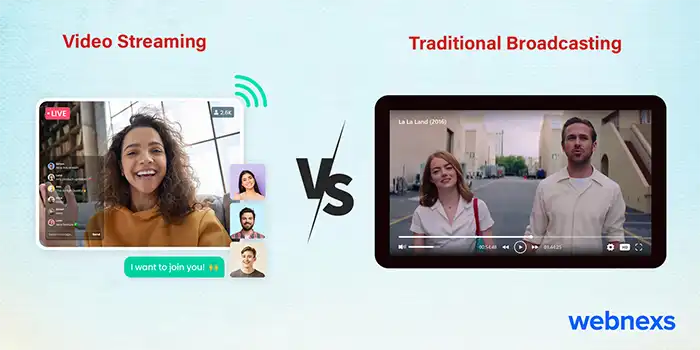
Traditional broadcasting transmits a radio frequency or satellite signal to a receiver that decodes the signal into audio and video. In contrast, video streaming delivers content over the internet in real-time, providing a more flexible and personalized experience. Users can access videos on-demand, making it a versatile alternative to traditional broadcasting.
Advantages of Video Streaming
Video streaming offers several advantages over traditional broadcasting:
- Convenience: Users can watch videos on-demand at their convenience, free from broadcast schedules.
- Flexibility: Video streaming supports a wide range of devices, including smartphones, tablets, and smart TVs.
- Personalization: Streaming services provide tailored recommendations based on users’ viewing history and preferences.
- Cost-effectiveness: Video streaming often proves more economical than traditional cable or satellite TV subscriptions.
- Global access: With an internet connection, users can access content from anywhere in the world.
How Does Video Streaming Work?
Video streaming delivers video content over the internet in real-time by breaking down the video into small segments and transmitting them as a continuous stream of data. This stream is sent to a device, such as a smartphone or computer, which decodes the data and displays it on a screen in real-time.
The video streaming process typically involves three main components: the video source, the encoding software, and the delivery network. The video source can be a live event or a pre-recorded video file. The encoding software compresses the video file into a format suitable for transmission over the internet. The delivery network then transmits the data to the end user’s device.
When a user clicks on a video, the video player on their device sends a request to the video source for the video file. The video source sends the video file to the encoding software, which compresses the video. The compressed video is then sent to the delivery network, which breaks the video into small data packets and sends them to the user’s device in real-time.
The user’s device receives the data packets and uses a video player to decode the data and display it on the screen. The video player reconstructs the video stream from the data packets and displays it on the screen in real-time. To ensure smooth playback, the video player also buffers some data to prevent interruptions.
It works by breaking down the video into small data packets and transmitting them over the internet in real-time. The video player on the user’s device decodes these packets and displays the video stream, allowing users to watch content on-demand without downloading the entire file first.
Video streaming involves several technical components, including:
- Encoder: The encoder converts the video into a digital format suitable for streaming over the internet.
- Server: The server hosts the video content and delivers it to users over the internet.
- Content delivery network (CDN): The CDN is a network of servers that distribute the video content to users around the world, ensuring fast and reliable delivery.
- Player: The player is the software that plays the video on the user’s device, providing a smooth and seamless viewing experience.
Read More: What is video transcoding and why it is important in streaming business
Video Streaming Protocols
Video streaming protocols are the rules and standards that govern the transmission of video data over the internet. Each protocol has its own advantages and disadvantages, making it essential to choose the right one based on your specific needs.
Some of the most popular video streaming protocols
HTTP, RTMP, HLS, and MPEG-DASH are among the most widely used protocols. HTTP (Hypertext Transfer Protocol) is the standard protocol for web browsing and is commonly used for streaming video over the internet.
RTMP (Real-Time Messaging Protocol) is a proprietary protocol developed by Adobe, designed for streaming audio, video, and data over the internet.
HLS (HTTP Live Streaming) is an adaptive streaming protocol developed by Apple, specifically for streaming video content to iOS devices.
MPEG-DASH (Dynamic Adaptive Streaming over HTTP) is an open standard developed by the Moving Picture Experts Group (MPEG) for streaming multimedia content over the internet, offering flexibility and adaptability.
When choosing a video streaming protocol, consider factors such as the quality of the content, the reliability of the connection, and the compatibility with the devices you intend to use for streaming.
Types of video codecs
There are many types of video codecs available, each with its own strengths and weaknesses. Some popular video codecs include:
- H.264/AVC: This codec is widely used and supported by most devices and browsers. It offers good compression and video quality, making it a popular choice for streaming services.
- H.265/HEVC: This codec is an improvement over H.264, providing better compression and smaller file sizes for the same video quality. However, it demands more processing power to encode and decode, which can be a consideration for older or less powerful devices.
- VP9: Developed by Google, VP9 is an open-source codec that delivers good compression and video quality. It is widely supported by browsers, making it a popular choice for web-based streaming. However, its support on devices is not as extensive, so compatibility can be an issue in some cases.
- AV1: Another open-source codec, AV1 offers even better compression and video quality compared to VP9. However, it requires significant processing power and is not yet widely supported by devices, which can limit its current usability.
Popular Video Streaming Services:
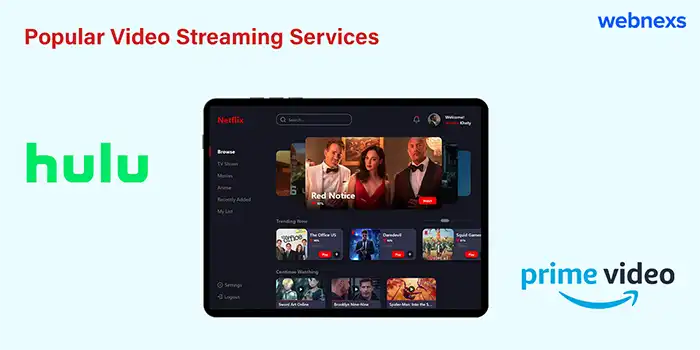
There are several popular video streaming services available today, offering a wide range of content to viewers. Here are three of the most popular ones:
Netflix:
Netflix is a subscription-based streaming service that offers a vast selection of TV shows, movies, documentaries, and original content. It has gained immense popularity due to its affordable monthly subscription plans and a wide range of content available in different languages. The platform is known for its user-friendly interface and high-quality streaming, making it a top choice for many viewers.
Amazon Prime Video:
Amazon Prime Video is another popular streaming service that is part of Amazon Prime membership. It offers a broad selection of TV shows, movies, and original content. Amazon Prime Video is well-known for its exclusive access to popular shows like The Marvelous Mrs. Maisel, The Boys, and Tom Clancy’s Jack Ryan. Additionally, it provides a seamless integration with other Amazon services, enhancing the overall user experience.
Hulu:
Hulu is a subscription-based streaming service that primarily offers TV shows from popular networks like ABC, NBC, and FOX. It also offers a selection of movies, documentaries, and original content. One of the unique features of Hulu is its ability to stream current TV shows shortly after they air on cable networks, making it a go-to service for those who want to stay up-to-date with the latest episodes.
Other popular streaming services include Disney+, HBO Max, Apple TV+, and YouTube TV, each offering a unique mix of content and features to cater to different viewer preferences.
Video Streaming Devices:
Video streaming devices are hardware devices that allow users to stream video content from various sources to their TV or other display devices. There are various types of video streaming devices, including:
- Streaming sticks: These are small devices that plug into the HDMI port of a TV and are powered by a USB cable. Popular examples include Amazon Fire TV Stick, Roku Streaming Stick, and Google Chromecast. They are convenient and portable, making them ideal for travelers or those with limited space.
- Set-top boxes: These devices are similar to streaming sticks but are larger and offer more advanced features. They usually come with a remote control and can be connected to the internet via Wi-Fi or Ethernet. Popular examples include Amazon Fire TV, Apple TV, and Nvidia Shield TV. Set-top boxes are great for users who want a more robust and feature-rich streaming experience.
- Smart TVs: These are TVs that come with built-in streaming capabilities, so there is no need for a separate streaming device. Many popular brands offer smart TVs, including Samsung, LG, and Sony. Smart TVs provide a streamlined and integrated solution for accessing streaming services directly from your television.
- Gaming consoles: Many gaming consoles, such as PlayStation and Xbox, also offer streaming capabilities and can be used to access various streaming services.
Future of Video Streaming:
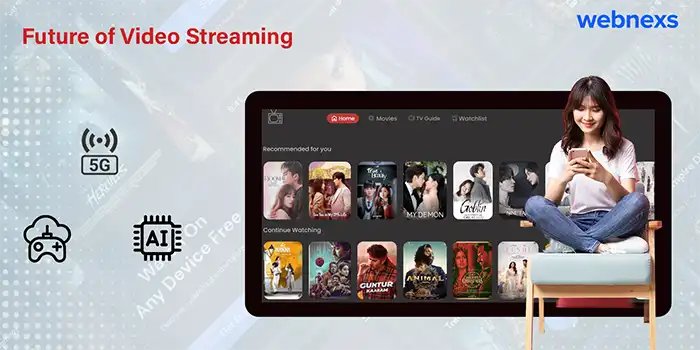
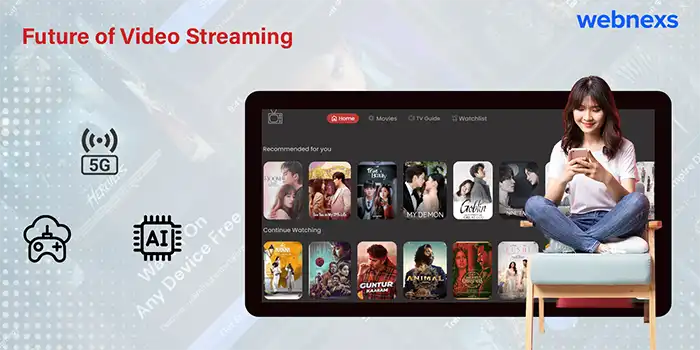
The future of video streaming looks promising, with the constant evolution of technology and the increasing demand for high-quality content. Here are some emerging technologies in video streaming:
5G Network
With the rollout of 5G networks, users can experience faster download and streaming speeds, higher quality videos, and reduced latency. This will enable seamless streaming of high-resolution content on mobile devices, even in crowded areas where 4G networks struggle. For creators, 5G opens the door to reliable live streaming from remote locations without dedicated broadband.
Cloud Gaming
Cloud gaming services like Google Stadia and Microsoft xCloud are already gaining popularity. This technology allows users to play high-end games on low-end devices as the game is rendered on cloud servers and streamed to the user’s device. The same infrastructure that powers cloud gaming is being adapted for interactive streaming experiences, where viewers can influence live content in real time.
Virtual Reality
Virtual reality (VR) is becoming more accessible to the masses, and streaming platforms are starting to offer VR experiences. This technology offers an immersive experience to users, making them feel like they are part of the content. Early adopters are experimenting with 180-degree and 360-degree live streams for concerts, sports, and educational events, though widespread adoption still depends on headset comfort and content libraries.
Artificial Intelligence
AI is being integrated into video streaming services to offer personalized recommendations to users. This will enhance the user experience and ensure that users only receive content that is relevant to them. Beyond recommendations, AI now powers automated captioning, content moderation, dynamic bitrate optimization, and even AI-generated highlight reels for sports and news.
Predictions for the future of video streaming include:
Increased competition
As more players enter the market, there will be increased competition for content and viewership. Streaming services will need to differentiate themselves by offering unique content and user experiences. Niche platforms targeting specific interests—anime, documentaries, independent film, regional content—are carving out sustainable audiences alongside the major generalists.
Consolidation
The streaming industry may see consolidation as smaller players merge or are acquired by larger companies. Bundling has already become a common strategy, with telecom providers and tech ecosystems packaging multiple services together to reduce churn and simplify billing for consumers.
Diversification of Content
Streaming services will continue to offer a variety of content, including original programming, live sports, and news, to attract and retain users. Live sports rights have become a primary battleground, while FAST (free ad-supported streaming television) channels are reviving the lean-back, channel-surfing experience for cord-cutters.
More Interactivity
Streaming services will continue to integrate interactive features to engage users and make the experience more immersive. This may include virtual watch parties and live interactive events. Features like real-time polling, choose-your-own-adventure narratives, and integrated shopping during live streams are moving from experiments to standard offerings.
Overall, the future of video streaming looks bright, with new technologies and innovations making it easier for users to access high-quality content anytime, anywhere.
Legal Issues with Video Streaming:
Legal issues with video streaming can arise from several factors, including copyright infringement, piracy, and the use of illegal streaming services.
Copyright infringement
Copyright infringement occurs when someone streams or downloads copyrighted content without the owner’s permission. This includes movies, TV shows, music, and other copyrighted materials. Many video streaming services have strict policies in place to prevent copyright infringement, and they take action against users who violate these policies. For creators, understanding fair use, licensing music, and clearing third-party clips is essential to avoid strikes or takedowns.
Piracy
Piracy happens when someone streams or downloads copyrighted content without the owner’s permission and then distributes it illegally. This undermines the creative ecosystem by diverting revenue away from the people who produce the shows, movies, and live events viewers enjoy. In most jurisdictions, both the distributors and the end users of pirated streams can face civil penalties or criminal prosecution.
Illegal streaming services compound the problem by packaging stolen content into polished apps or websites that mimic legitimate platforms. They often charge subscription fees, giving the false impression of a lawful service. Because these operations frequently shift domains, hide behind offshore hosting, and use content delivery networks that obscure their origin, enforcement actions can take months or years to fully disrupt them.
Read More: What is DRM? How to choose the right one?
To stay on the right side of the law and protect your devices, use only licensed streaming services that clearly display their content partnerships. Legitimate platforms invest in digital rights management, secure payment processing, and regular security audits. Unauthorized services, by contrast, frequently bundle malware, spyware, or phishing scripts that can compromise personal data, hijack browsers, or enroll devices in botnets. If a deal looks too good to be true—such as “all premium channels for a fraction of the price”—it almost certainly is.
Advantages of video streaming:
- Convenience: Watch what you want, when you want, on any supported screen—no discs to store, no appointments to keep.
- Personalization: Algorithms learn from your viewing habits to surface relevant titles, build watchlists, and resume playback across devices.
- Flexibility: Subscribe month-to-month, cancel anytime, and switch between services without long-term contracts or equipment rentals.
- Cost-effective: A handful of targeted subscriptions often costs less than a bundled cable package loaded with channels you never watch.
Disadvantages of video streaming:
- Dependence on internet connectivity: A stable, sufficiently fast connection is mandatory. Rural or congested areas may still experience buffering, resolution drops, or complete outages during peak hours.
- Quality may be affected by bandwidth limitations: Data caps, throttling, or shared household usage can force the player to downgrade from 4K to 1080p or lower, introducing compression artifacts.
- Content rotation: Licensing windows expire, so favorite titles can disappear without notice. There is no guarantee a show will return to the same service.
- Legal risks from piracy: Accessing unlicensed streams exposes viewers to malware, identity theft, and potential legal action, while also harming the industry that funds future productions.
Conclusion:
Video streaming has reshaped entertainment by putting viewers in control of what, when, and how they watch. Established services such as Netflix, Amazon Prime Video, and Hulu compete on original programming, user experience, and device compatibility, while smart TVs and dedicated streaming sticks make access nearly frictionless. The ongoing challenge for the industry is balancing open access with robust copyright protection so creators can keep funding new stories. As compression standards improve and broadband reaches more households, streaming will remain the dominant way audiences discover and enjoy video content.
1. What is video streaming?
Video streaming is a technology that lets you watch video content in real-time over the internet without downloading the entire file first. The player receives small data segments, buffers them, and plays them back continuously.
2. How does video streaming work?
The video file is split into short chunks, each encoded at multiple quality levels. Your player requests the highest chunk your current bandwidth can handle, then seamlessly switches quality up or down as network conditions change.
3. What are the different types of video streaming?
The two main categories are live streaming—broadcasting events as they happen—and on-demand streaming—watching pre-recorded libraries at your convenience. Some platforms blend both, offering live channels alongside a catalog of past episodes.
4. What are the requirements for video streaming?
You need a reliable broadband connection, a device with a modern browser or dedicated app (smart TV, phone, tablet, streaming stick), and enough monthly data allowance for the resolution you prefer.
5. What are some popular video streaming services?
Leading subscription services include Netflix, Hulu, Amazon Prime Video, Disney+, and YouTube. Each offers a distinct mix of licensed movies, series, and original productions, so many households subscribe to more than one.
Streaming is a method of delivering video or audio content over the internet in real-time, without requiring users to download the entire file. It works by breaking the content into small packets of data, which are sent to the user's device and played back in a continuous stream, allowing for instant playback and reducing the need for large storage space.
Webnexs builds white-label OTT and video streaming platforms with native apps for web, mobile and smart TVs.
For background, see video on demand models.
Frequently Asked Questions About Streaming’s Future
Will 5G replace home broadband for streaming?
5G can serve as a primary connection in areas with strong coverage, but home broadband remains more consistent for heavy multi-device households.
Is cloud gaming the same as game streaming?
Cloud gaming runs the game on remote servers; game streaming (like Twitch) broadcasts gameplay video. They use similar delivery tech but serve different purposes.
Do I need a VR headset to watch VR streams?
Most VR content requires a headset for the full experience, though some platforms offer a “magic window” mode viewable on phones or desktops.
How does AI improve streaming quality?
AI adjusts bitrate in real time based on your connection, generates captions, flags policy violations, and curates personalized content rows.
What are video codecs?
Video codecs are software or hardware tools used to compress and decompress digital video. They reduce the file size of video content, making it easier to store and transmit over the internet. Codecs can be either lossless, which compresses the video without losing any quality, or lossy, which sacrifices some quality to achieve greater compression.
1. What is video streaming?
2. How does video streaming work?
3. What are the different types of video streaming?
4. What are the requirements for video streaming?
5. What are some popular video streaming services?
What is streaming?
Streaming is a method of delivering video or audio content over the internet in real-time, without requiring users to download files. It works by breaking content into small data packets sent to a user's device, allowing playback to begin almost immediately. This technology enables continuous viewing or listening without storing large files locally.
What is streaming tv?
Streaming TV refers to watching television content over the internet instead of through traditional cable or satellite services. It delivers video and audio data in a continuous flow, allowing viewers to watch shows and movies in real-time without downloading files. This technology enables on-demand access to a wide range of programming from various devices.
How do streaming services work?
Streaming services work by sending video and audio data over the internet in a continuous flow. They break content into small packets, sending them to your device for playback. This allows you to watch without downloading the entire file, saving storage space and enabling real-time viewing.
What does streaming mean?
Streaming is a method of delivering video or audio content over the internet in real-time, without requiring users to download the entire file. It works by breaking the content into small packets of data, which are sent to the user's device and played back in a continuous stream, allowing for instant playback and reducing the need for large storage space.
Webnexs builds white-label OTT and video streaming platforms with native apps for web, mobile and smart TVs.
For background, see video on demand models.