
Quick Answer
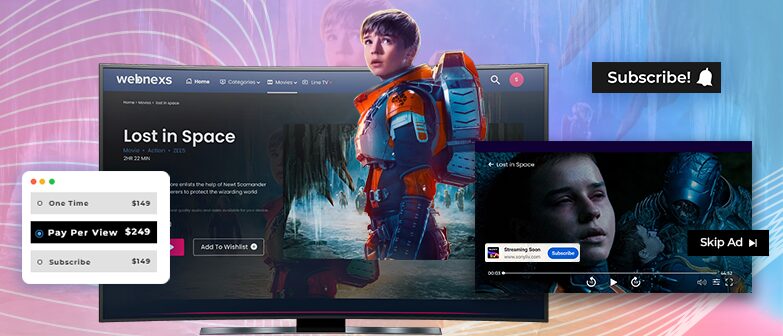
The best OTT revenue model in 2026 depends on content strategy and audience preferences. AVOD suits ad-supported free content, SVOD thrives with exclusive subscriptions, and TVOD works for premium one-time purchases. Most platforms blend these models to maximize reach and revenue, catering to diverse viewer habits and content types.
The OTT industry is growing faster than traditional television because people now prefer watching content anytime on mobile phones smart TVs and laptops.
Streaming platforms use different monetization strategies to increase revenue and attract global audiences.
For the fundamentals behind these strategies, see our guide to OTT monetization models and platform types.
According to Statista Market Insights, the global OTT video market is projected to surpass $340 billion in 2025 and continue growing toward nearly $400 billion by 2026, driven by rapid adoption of SVOD, AVOD, and hybrid streaming models.
In 2026 OTT businesses are focusing on flexible revenue models that improve user engagement and long term growth.
AVOD SVOD TVOD and hybrid OTT monetization models are leading the streaming industry because each model supports different business goals and viewer preferences in different ways.
What is an OTT Revenue Model?
An OTT revenue model is the strategy used by streaming platforms to generate income from video content and online audiences.
These monetization models help OTT businesses improve profits increase customer retention and support long term platform growth.
Most streaming apps use AVOD SVOD TVOD or hybrid monetization models based on their content strategy target audience and business goals.
Choosing the right OTT business model is important because it directly affects audience growth customer loyalty and overall platform revenue.
Why OTT Platforms Are Growing in 2026
Internet access and smartphone usage are increasing rapidly across global markets.
People now prefer on demand entertainment instead of fixed television schedules or cable TV networks.
OTT platforms provide personalized recommendations regional language content and flexible viewing experiences for users.
Streaming apps also support multi device access which improves convenience and user engagement.
The demand for digital entertainment is expected to grow strongly between 2026 and 2030 across different regions.
Types of OTT Revenue Models
1. AVOD Platform
Advertising Video on Demand
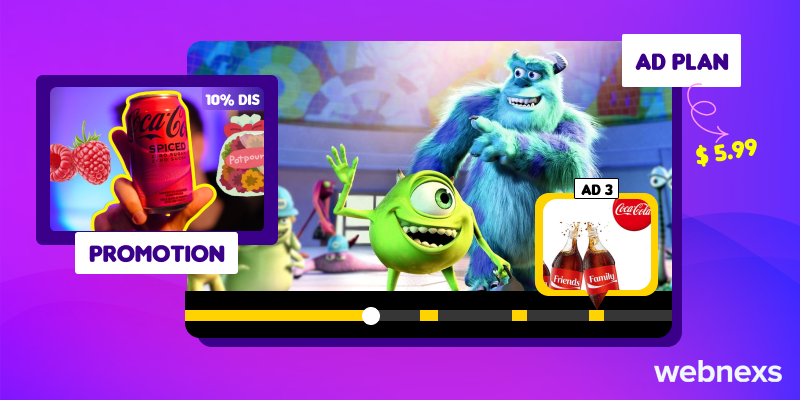
AVOD stands for Advertising Video on Demand where users can stream content for free.
OTT platforms generate revenue through advertisements displayed before during or after video playback.
This monetization strategy mainly focuses on attracting large audiences with free streaming access.
Examples of AVOD Platforms
YouTube is one of the largest AVOD platforms in the world.
Tubi and Pluto TV also use ad supported monetization successfully.
These platforms provide free entertainment while advertisers pay to reach targeted audiences.
Benefits of AVOD
AVOD attracts millions of users because viewers do not need subscriptions to access content.
Advertising revenue increases when platforms gain more traffic and higher watch time.
This model works well for entertainment news sports highlights and public streaming content.
Challenges of AVOD
Too many advertisements can reduce user satisfaction and viewing experience.
Platforms need very high traffic to generate strong advertising revenue consistently.
Ad blockers and lower CPM rates can also affect OTT advertising profits.
2. SVOD Platform

Subscription Video on Demand
SVOD stands for Subscription Video on Demand where users pay monthly or yearly fees to access premium content.
This is one of the most profitable OTT monetization models because it creates recurring monthly revenue.
Platforms usually offer exclusive movies web series documentaries and original entertainment content.
Examples of SVOD Platforms
Netflix mainly uses the SVOD business model globally.
Disney+ and CuriosityStream also depend on subscription based monetization.
These platforms focus on premium content libraries to improve subscriber retention.
Benefits of SVOD
Recurring subscriptions create stable monthly income for OTT businesses.
Premium content increases audience engagement and improves customer loyalty naturally.
SVOD platforms can plan future investments more effectively because revenue is predictable.
Challenges of SVOD
Subscribers may cancel plans if platforms fail to provide fresh content regularly.
Content production licensing and marketing costs are very expensive.
Competition among subscription streaming platforms is increasing every year.
3. TVOD Platform
Transactional Video on Demand
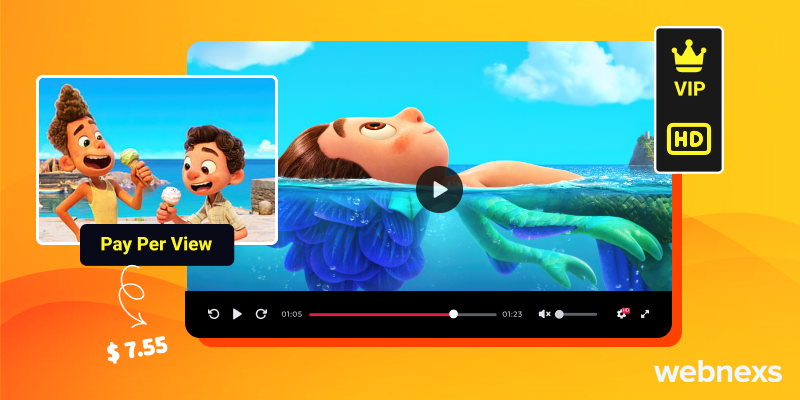
TVOD stands for Transactional Video on Demand where users pay only for selected content.
This model is commonly used for live sports events movie rentals concerts and premium entertainment programs.
Users can either rent content temporarily or purchase complete viewing access.
Examples of TVOD Platforms
Amazon Prime Video offers pay per view movie rentals through the TVOD model.
Apple TV also provides transactional streaming services for premium content.
Many sports streaming platforms depend heavily on TVOD during live tournaments and exclusive events.
Benefits of TVOD
Users only pay for the content they actually want to watch.
TVOD generates fast revenue during sports events and blockbuster movie releases.
This model works well for exclusive entertainment experiences and premium live streaming.
Challenges of TVOD
Users may avoid repeated purchases because rentals become expensive over time.
Platforms need highly exclusive content to increase transactions.
Revenue may fluctuate depending on entertainment trends and seasonal demand.
4. Hybrid OTT Revenue Model
Combination of AVOD and SVOD
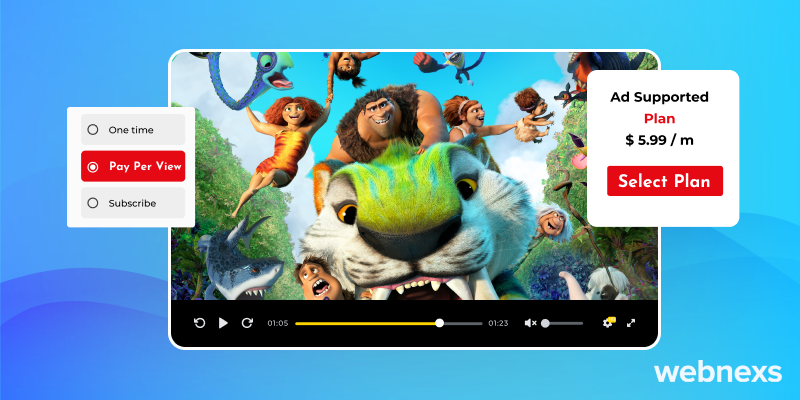
Hybrid OTT monetization combines ad supported streaming with premium subscription access.
Users can watch free content with advertisements while premium subscribers enjoy additional features and ad free streaming.
This strategy helps streaming businesses increase audience reach and recurring revenue together.
Examples of Hybrid OTT Platforms
Hulu uses advertisements and subscriptions successfully.
Peacock also allows users to choose between free and premium plans.
Hybrid OTT models are becoming more popular because they support different audience preferences.
Benefits of Hybrid OTT Models
Hybrid monetization increases audience size by targeting free and paid users together.
Platforms can generate revenue from advertisements and subscriptions at the same time.
This model also reduces subscriber churn because users can switch between plans easily.
Challenges of Hybrid OTT Models
Managing advertisements and subscriptions together can become complicated.
Platforms must balance free and premium content carefully to maintain user satisfaction.
Too many restrictions in free plans may reduce audience retention over time.
Before we dive deeper into each model, here’s a quick comparison to help you understand how they differ in strategy, audience, and monetization potential:
OTT Revenue Model Comparison
| Revenue Model | Main Revenue Source | Best For | Popular Platforms |
| AVOD | Advertisements | Free streaming apps | YouTube Tubi |
| SVOD | Monthly subscriptions | Premium content platforms | Netflix Disney+ |
| TVOD | Pay per view | Sports and live events | Amazon Prime Video |
| Hybrid | Ads and subscriptions | Large audience platforms | Hulu Peacock |
How OTT Platforms Make Money
OTT platforms generate revenue through subscriptions advertisements sponsorships and pay per view content.
Many streaming businesses also earn income through affiliate marketing merchandise sales and premium event tickets.
Sports streaming and regional content packages help platforms increase audience engagement globally.
Advanced recommendation systems and targeted advertising improve watch time and overall profitability.
Example Revenue Projection
Assuming a college conference has 3,000 attendees and incorporates the strategies mentioned:
Subscriptions: 1,000 subscribers at ₹200/month → ₹2,00,000/month ($2,500)
Pay-Per-View: 2,000 views at ₹150 → ₹3,00,000 ($3,600)
Sponsorships: 3 sponsors at ₹1,00,000 each → ₹3,00,000 ($3,600)
Advertising: 100,000 views generating ₹250 CPM → ₹2,50,000 ($3,000)
Merchandise Sales: 500 items at ₹500 → ₹2,50,000 ($3,000)
Crowdfunding: Donations raise → ₹5,00,000 ($6,000)
Total Estimated Revenue: ₹15,00,000 ($18,000) from a single conference.
Best OTT Monetization Strategies

Invest in Original Content
Exclusive movies web series and documentaries help OTT platforms attract premium subscribers.
Original content also improves brand value and audience loyalty in competitive markets.
Use Flexible Subscription Plans
Affordable monthly and yearly plans help businesses target students families and budget conscious viewers.
Free trials and discounted pricing also improve customer acquisition and retention.
Improve Streaming Experience
Fast video playback and smooth mobile streaming improve customer satisfaction significantly.
Users prefer platforms that provide easy navigation and personalized recommendations.
Support Multi Device Streaming
OTT platforms should support smartphones tablets smart TVs desktops and gaming consoles.
Cross platform streaming improves accessibility and increases viewer engagement.
Accelerate Your Growth with a Winning OTT Revenue Model!
Business Model of Top OTT Platforms
Netflix

Netflix mainly follows the SVOD business model for recurring monthly revenue.
The company invests heavily in original movies international content and premium entertainment experiences.
YouTube

YouTube mainly operates through the AVOD monetization strategy.
Creators upload free videos while the platform earns revenue through advertisements memberships and brand partnerships.
Amazon Prime Video

Amazon Prime Video combines SVOD and TVOD monetization models successfully.
Users can subscribe monthly or rent individual movies based on their viewing preferences.
Thinking About Boosting Your OTT Revenue?
Why Businesses Choose Webnexs for OTT Development
Many businesses prefer ready made OTT solutions because building a streaming app from scratch requires high investment and technical expertise.
Webnexs provides OTT app development solutions with AVOD SVOD TVOD and hybrid monetization support.
The platform also offers live streaming video hosting analytics DRM security and multi device compatibility features.
Businesses can launch OTT platforms faster while reducing technical management challenges and development costs.
How Webnexs Supports OTT Monetization
Webnexs OTT Solutions helps streaming businesses create flexible monetization strategies for different audience groups.
The platform supports subscriptions advertisements and pay per view monetization from a single dashboard.
AI recommendations CDN integration and advanced analytics improve streaming performance and viewer engagement.
These features help OTT businesses increase revenue and deliver better streaming experiences.
Future of OTT Monetization in 2026
AI powered recommendations and personalized advertising will play a major role in OTT business growth.
Regional language content and interactive live streaming are becoming more popular worldwide.
Many streaming platforms are combining AVOD SVOD and TVOD models to increase revenue opportunities.
User experience flexible pricing and high quality content will remain important for long term OTT success.
Conclusion
OTT platforms are changing the entertainment industry because viewers now prefer flexible streaming experiences across multiple devices.
AVOD SVOD TVOD and hybrid monetization models each offer different advantages based on business goals and audience needs. AVOD helps platforms attract large audiences through free streaming while SVOD creates stable recurring subscription income. TVOD works best for premium events and exclusive content access.
Hybrid OTT monetization is becoming the leading strategy in 2026 because it combines audience growth and recurring revenue together. Webnexs helps businesses build scalable OTT platforms with flexible monetization solutions for future growth.
Are You Ready to Take Your OTT Business to the Next Level?
New to this? Start with our OTT platform development guide for the full build walkthrough.
Frequently Asked Questions
For a technical primer, see the subscription business model.
Webnexs builds white-label OTT and video streaming platforms with native apps for web, mobile and smart TVs.













21 Responses
Glad that i am able to find out the benefits of AVOD,TVOD and SVOD
Got to know the basics of ott business models
Thanks for sharing! I finally understand how VOD platforms can impact the internet revolution and contribute to the OTT business model.
Good blog!!!!nice introduction of Avod , Tvod and SVOD
Understood the basics of ott business models
There are various ott business models for your online video platform but the best one is the subscription model(SVOD) as it is very popular and most of the online video platform providers make it a important one
Thank you for sharing the blog, which helps to shortlist the best one & get more information on ott business model for video streaming platforms . Keep on Posting!!
Best revenue building model list and it will be very useful for people who are looking to start an VOD business.
Thanks for sharing
Hello, I am an independent filmmaker in the US. I am planning to release two feature films online and monetize them using TVOD and AVOD options. I’d also love to learn more about how does revenue model of ott work?
Thanks for connecting. How many subscribers do you have? How many videos do you have ? You can schedule the call and discuss about your need in detail. Here is the link to schedule meet: calendly.com/webnexsdavid/30min
I have a question about pricing for TVOD services? I am interested in the EST & Permanent access
yes. you can allow users to watch the video for rental basis.. for renting 24 hours / 3 days / 7 days and so on. For more queries, schedule a call with our experts.
Thanks for this clear explanation. I was struggling to understand which OTT revenue model would suit a niche streaming service better.
Great article! Do these OTT business model support live streaming for events or sports content? Also, how does this fit into the OTT platform business model?
Thank you for your comment! Yes, many of the OTT business model listed, including Webnexs, support live streaming of events, sports, and more. You can easily integrate live streaming alongside on-demand content. For more information, please contact us at https://www.webnexs.com/contact-us.php.
This blog is very insightful! Can you clarify if the OTT business model listed support both live and on-demand streaming? Also, how do these platforms align with different OTT business models?
Thank you for your question! Yes, the OTT business models mentioned in the blog, including Webnexs, support both live streaming and on-demand content, offering flexibility to cater to diverse audience needs. For more details, feel free to contact us at https://www.webnexs.com/contact-us.php.
This was a great read! Do ott business models offer analytics to track user engagement and performance?
We’re glad you found the blog helpful! Yes, the OTT business models featured, including Webnexs, come with built-in analytics tools to track user engagement, content performance, and more. For details on specific analytics features, please reach out at https://www.webnexs.com/contact-us.php.
Loved this article! The comparison of each OTT revenue model really helps brands figure out the best monetization strategy for the future.
Very helpful! In today’s competitive market, understanding the strengths of each OTT revenue model is so important for success