Quick Answer
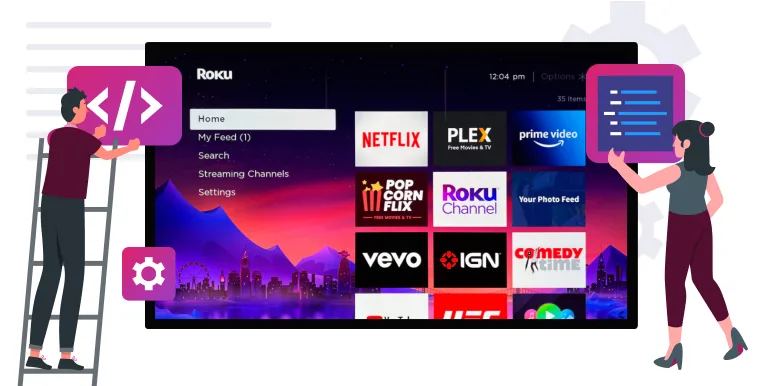
Building a Roku TV app in 2026 involves understanding Roku’s SDK, using BrightScript or SceneGraph, and adhering to design guidelines. Focus on user experience, ensure compatibility with Roku devices, and optimize for performance. Leverage Roku’s developer tools for testing and submission to the Roku Channel Store.
The streaming industry is growing rapidly as audiences move away from traditional cable TV and choose OTT streaming platforms for daily entertainment. “Today Roku has become one of the leading platforms for watching movies sports live broadcasts educational content and video streaming services directly through smart TVs and connected devices, competing closely with devices like Apple TV, a comparison worth exploring in Roku vs Apple TV: what’s the difference.”
From streaming sticks and smart TVs to high-end audio solutions Roku gives businesses a powerful way to reach viewers on television screens. Whether you are creating your Roku channel building your own TV channel or launching a branded OTT platform this guide explains Roku app development in a simple and practical way.
What is Roku TV App?
A Roku TV app is a streaming application designed specifically for Roku streaming devices and Roku-powered smart TVs. These applications are commonly called Roku channels.
A Roku TV app allows viewers to stream digital content directly on television screens using the internet instead of traditional cable or satellite services.
These apps can stream movies TV shows live broadcasts sports events music streaming podcasts educational programs fitness classes religious content kids entertainment and online learning videos through a single television platform.
Popular streaming platforms like Netflix Hulu Disney+ Prime Video and YouTube are examples of Roku channels that millions of users access daily.
For businesses Roku provides a powerful way to launch an OTT streaming platform and distribute content globally without depending on traditional broadcasting networks.
Unlike mobile-first apps Roku focuses on television viewing which helps improve watch time viewer engagement and subscription retention.
How Does Roku TV Work?
Roku works through internet based streaming technology that connects smart TVs or Roku devices directly to online streaming services.
Users simply connect a Roku device to WiFi and install streaming channels from the Roku Channel Store.
The Roku ecosystem supports devices such as Roku Streaming Stick Roku Express Roku Ultra Roku Smart TVs Roku Streambar and Roku Soundbars.
Once connected viewers can instantly access live broadcasts movies TV shows and on-demand streaming content from different channels.
Roku devices function similarly to smartphones with app stores. Instead of downloading mobile applications users install Roku channels optimized for television screens and remote based navigation.
This simple streaming system allows businesses to launch professional video streaming services across millions of connected TV users worldwide.
Why Roku is Important for OTT Businesses
The OTT industry has become highly competitive as businesses search for better ways to engage audiences and increase streaming revenue.
Roku has become one of the strongest connected TV ecosystems because of its massive user base affordable streaming devices easy navigation system and reliable streaming infrastructure.
This makes Roku highly valuable for media companies sports broadcasters educational businesses fitness brands entertainment startups religious organizations and independent creators.
Instead of depending only on websites or mobile apps businesses can now deliver streaming experiences directly inside living rooms through television screens.
This improves viewer engagement subscriber retention watch time brand visibility and monetization opportunities.
For businesses focused on building your own TV channel Roku creates direct access to highly engaged streaming audiences.
Why Businesses Are Creating Their Own Roku TV Apps
Reach Millions of Streaming Users
Creating your Roku channel helps businesses reach millions of active streaming viewers across the Roku ecosystem.
Users searching for new content inside Roku often discover channels naturally through recommendations and search results.
This increases visibility and helps attract new subscribers without relying completely on paid advertising.
Build Your Own TV Channel
One of the biggest advantages of Roku is the ability to start building your own TV channel without owning traditional broadcasting infrastructure.
Businesses can launch streaming channels for entertainment sports e-learning music streaming religious content kids programming news broadcasts and live events.
This gives complete control over branding audience engagement and monetization.
Improve Viewer Experience
Watching content on television creates a far better viewing experience compared to smartphones and laptops.
Users benefit from larger screens better sound quality comfortable navigation and family friendly entertainment experiences.
This leads to longer streaming sessions and stronger customer engagement.
Generate Revenue Through Multiple Models
Modern Roku apps support different monetization models that help businesses generate recurring revenue.
Popular monetization methods include SVOD subscriptions AVOD advertising TVOD rentals sponsorships and in-app purchases.
Businesses can combine free and premium content strategies for maximum revenue growth.
Build a Strong Brand Identity
A branded OTT platform helps businesses deliver a professional streaming experience with custom logos layouts categories colors and user interfaces.
This improves brand trust customer loyalty and audience recognition.
Creating your own Roku TV apps also helps businesses maintain complete ownership of their streaming ecosystem.
Types of Roku Channels
Public Roku Channels
Public Roku channels are available inside the Roku Channel Store where users can search install and access apps publicly.
Examples include Netflix Hulu Disney+ and Prime Video.
These channels must pass Roku’s approval process before publishing.
Private Roku Channels
Private Roku channels are hidden apps accessible only through invitation codes or direct access links.
Businesses commonly use private channels for beta testing premium memberships internal training educational content and exclusive communities.
Private channels do not appear inside public Roku search results.
Essential Features Every Roku TV App Should Have
Live Streaming Support
Modern audiences expect reliable live broadcasts for sports streaming webinars news channels religious streaming and virtual events.
Strong live streaming support improves viewer engagement significantly.
Video On Demand Library
A successful Roku app should support large video libraries where viewers can watch content anytime.
Video on demand functionality is one of the core foundations of modern OTT streaming platforms.
Multi-language Support
Global audiences prefer localized viewing experiences in their native languages.
Supporting multiple languages improves accessibility audience retention and international growth.
Smart Search and Content Discovery
A powerful search feature helps users discover content quickly.
AI-based recommendation systems also improve viewer engagement and session duration.
Watchlists and Favorites
Users should be able to save content for future viewing through personalized watchlists and favorite sections.
This improves return visits and platform engagement.
Subscription Management
A professional Roku app should support subscription upgrades renewals payment management and cancellation systems.
Simple subscription workflows improve conversion rates and customer satisfaction.
Kids Mode and Parental Controls
Family-friendly streaming apps require child-safe viewing experiences with parental control features and secure content filtering.
Analytics Dashboard
OTT businesses should track watch time viewer engagement subscriber growth device usage and revenue performance.
Analytics help businesses improve streaming strategies and content planning.
Roku App Development Essentials
Roku Developer Account
Developers need a Roku developer account to create publish and manage Roku channels.
The developer dashboard provides access to SDK tools publishing systems testing features and analytics options.
BrightScript Programming Language
BrightScript is the main programming language used for Roku app development.
It controls streaming behavior navigation video playback and application logic.
SceneGraph Framework
SceneGraph helps developers build visually rich and responsive Roku interfaces.
It improves performance navigation speed animations and user experience.
Roku SDK
The Roku SDK includes development tools templates testing systems and streaming libraries required for creating Roku apps.
Developers use the SDK for app building deployment testing and streaming integration.
Roku App Builder Tools
Popular Roku app builder tools include Visual Studio Code Roku SceneGraph IDE and Notepad++.
Many businesses also use advanced OTT platforms that simplify Roku development workflows.
Roku App Design Best Practices
Keep Navigation Simple
Roku users navigate apps through television remotes so apps should focus on clear menus large buttons and easy content discovery.
Optimize for Television Screens
Television interfaces require large readable fonts clean layouts high contrast designs and clutter-free user experiences.
Improve Streaming Performance
Slow loading apps reduce viewer retention quickly.
Businesses should optimize CDN delivery adaptive bitrate streaming video compression and overall app performance.
Step-by-Step Roku App Development Process
Step 1: Define Your OTT Strategy
Businesses must first decide the type of streaming platform they want to launch.
This may include entertainment OTT sports streaming educational platforms live TV channels or fitness streaming services.
Step 2: Select Monetization Methods
Businesses can choose subscription advertising pay-per-view or hybrid monetization models depending on audience goals.
Step 3: Design the User Experience
Television-friendly layouts and simple navigation systems are important for Roku app usability.
Step 4: Build the Roku App
Developers use BrightScript SceneGraph and Roku SDK tools for creating your TV app professionally.
Step 5: Integrate Streaming Infrastructure
A professional OTT streaming platform requires video hosting CDN integration DRM protection analytics systems and payment gateways.
Step 6: Test Across Roku Devices
Testing should cover streaming quality navigation device compatibility and UI responsiveness across multiple Roku devices.
Step 7: Publish in Roku Channel Store
Apps must follow Roku publishing guidelines before approval and public release.
Roku Monetization Models
SVOD
Subscription Video on Demand charges recurring monthly or yearly subscription fees.
Popular examples include Netflix and Disney+.
AVOD
Advertising Video on Demand generates revenue through advertisements shown during content playback.
This model is common among free streaming services.
TVOD
Transactional Video on Demand allows users to purchase or rent individual content pieces such as movies or premium broadcasts.
Hybrid Monetization
Many businesses combine subscriptions advertising and pay-per-view systems for higher revenue potential.
Common Roku App Development Challenges
Device Compatibility
Different Roku devices support different hardware capabilities so optimization is important for stable performance.
Streaming Stability
Poor streaming optimization can affect playback quality buffering and user satisfaction.
Television-focused UX
TV interfaces require different design approaches compared to mobile applications.
Remote-friendly navigation is essential.
DRM and Content Security
OTT businesses must protect premium content using DRM technologies and secure streaming infrastructure.
Roku SEO and Discoverability Tips
Optimize Channel Titles
Use searchable keywords naturally inside app titles and metadata.
Write Better Descriptions
Include relevant phrases such as OTT streaming platform Roku app builder video streaming services creating your Roku channel and building your own TV channel.
Add Professional Thumbnails
High quality thumbnails improve click-through rates installs and viewer trust.
Use Correct Categories
Proper categorization improves discoverability inside Roku search and recommendation systems.
Future of Roku App Development in 2026
The Roku ecosystem continues growing rapidly as connected TV adoption increases worldwide.
Future Roku trends include AI-powered recommendations interactive broadcasts personalized advertising voice navigation advanced analytics cloud gaming support and better live streaming experiences.
Businesses investing in Roku streaming services today gain long-term advantages in the OTT industry.
Why Businesses Choose Dedicated OTT App Developers
Professional Roku development requires deep technical expertise and streaming knowledge.
Dedicated OTT app developers help businesses with faster deployment custom feature integration performance optimization scalability maintenance and security improvements.
This reduces technical risks while improving launch quality and streaming stability.
Why Webnexs is a Strong Roku OTT Solution
Businesses looking for scalable Roku streaming services need more than basic app development.
A professional OTT platform should support multi-device streaming DRM security live streaming provides broadcasts subscription management analytics monetization flexibility and white-label branding.
Webnexs helps businesses launch a branded OTT platform with enterprise-grade Roku streaming infrastructure advanced monetization systems and scalable video delivery solutions.
Conclusion
Roku has become one of the most powerful platforms in the connected TV and streaming industry. From smart TVs and streaming sticks to high-end audio solutions Roku continues expanding its ecosystem for global audiences and businesses. Today creating your Roku channel and building your own TV channel helps brands connect directly with viewers through professional television experiences.Whether you are creating your TV app launching live broadcasts or scaling an OTT streaming platform Roku offers strong long-term opportunities for growth. With increasing demand for OTT services businesses investing in Roku app development can improve audience engagement monetization and digital brand expansion successfully.
Frequently Asked Questions
Real-world proof: Webnexs has successfully shipped Roku apps for clients, including e360tv, which has a live Roku channel, and svtvnetwork, which is set to launch its Roku channel in 2026. These examples demonstrate Webnexs’ capability to build and deploy high-quality Roku apps.
Build your OTT app for every device
- OTT app development company (start here)
- Build a Fire TV app
- Build a Samsung (Tizen) TV app
- Build an LG webOS TV app
- Build an Android TV app
- Build an Apple TV (tvOS) app
- Build an iOS OTT app
- Build an Android OTT app
Webnexs builds white-label OTT and video streaming platforms with native apps for web, mobile and smart TVs.
For background, see the official Roku developer docs.