Looking for the best JW Player alternatives in 2026? Businesses are rapidly moving toward OTT platforms that offer ownership scalability and flexible monetization models. While JW Player remains a strong video player solution it falls short when it comes to building full scale OTT ecosystems.
Webnexs leads as the best overall choice due to its ownership based model and long term ROI benefits. Flicknexs stands out for fastest deployment with hybrid flexibility. Dacast is ideal for simple SaaS streaming needs while Brightcove continues to serve enterprise broadcasting at scale.
Quick Picks:
Best overall: Webnexs
Fastest launch: Flicknexs
Best SaaS: Dacast
Best enterprise: Brightcove
What is JW Player?
JW Player started as a simple video player and evolved into a full streaming platform. It became popular because it made adding and playing videos on websites quick and reliable.
Today it offers cloud-based video hosting streaming analytics and advertising tools. It’s widely used by publishers and media sites where video supports their main content.
However things have changed. Many businesses now want to build full OTT platforms with apps subscriptions and global reach. That’s where JW Player starts to fall short.
In simple terms it’s great for delivering videos but not enough on its own to run a full streaming business.
Deep Dive
JW Player covers the basics well cloud hosting adaptive streaming and ad integration like VAST. It works best for ad supported platforms.
But since it’s a SaaS product you’re renting it which limits flexibility and customization. If you want to build something like a Netflix style platform you’ll need extra tools and development.
It also lacks advanced features like deep analytics AI recommendations and strong user personalization things that are now essential.
Technical Edge
JW Player is still known for fast playback and a lightweight design. It supports formats like HLS and DASH so videos run smoothly across devices.
Its ad system is solid and adaptive streaming improves the viewing experience especially on mobile.
That said in 2026 businesses expect more like multi-device apps DRM security and flexible monetization. And this is where newer platforms have the advantage.
Beyond the SaaS Ceiling Why Businesses Are Moving Away from JW Player
Limited OTT Capabilities
One of the biggest challenges with JW Player is its limited support for full OTT ecosystems. Modern streaming businesses require apps across mobile smart TVs and web platforms along with unified content management systems.
JW Player is also not a full OTT infrastructure by design. However, they do offer» Many companies are dependent upon third party tools to develop apps or handle subscriptions. Such fragmented approach results in higher operational complexity.
Now imagine attempting to launch a global streaming service while using multiple tools for hosting development billing apps and analytics. They all slow down growth and adding a layer of inefficiency.
End to End OTT solutions offered by the platforms have embedded everything in one system thus getting rid of this issue.
Monetization Constraints
Revenue flexibility is critical for streaming success. JW Player primarily supports advertising based monetization which limits its usability for businesses exploring subscription or pay per view models.
Modern OTT platforms support:
SVOD subscription video on demand
AVOD advertising based video on demand
TVOD transactional video on demand
The ability to combine these models is what drives growth. For example a platform may offer free ad supported content while charging for premium access.
JW Player lacks this flexibility making it harder for businesses to diversify revenue streams.
No Platform Ownership
Having ownership is going to be the differentiator when it comes down to platforms. JW Player, for instance, is a SaaS (Software as a Service) platform so the businesses are not responsible for having their own infrastructure or technology.
This limits customization and control. Companies cannot fully tailor the platform to their needs or build unique user experiences.
Ownership based platforms allow businesses to treat their OTT service as a digital asset offering full control over branding features and data.
Platform Ownership vs SaaS Rental The 2026 ROI Shift
SaaS Platforms JW Player Vimeo OTT Operating Expense OpEx
SaaS platforms operate on a recurring payment model. This makes them accessible for startups but expensive over time.
You pay monthly or annually without owning the platform. While maintenance and updates are handled for you long term costs can become significant.
It is similar to renting a house. You get convenience but no long term value.
Ownership Platforms Webnexs Capital Asset CapEx
Ownership platforms require upfront investment but offer complete control. Webnexs is a leading example providing a fully customizable OTT solution.
This approach transforms your platform into an asset. As your audience grows your costs remain predictable improving long term ROI.
Hybrid SaaS Flicknexs Speed with Flexibility
Hybrid platforms like Flicknexs combine speed and flexibility. You can launch quickly using pre built tools and customize later as your business expands.
This model is ideal for companies balancing budget constraints with scalability goals.
ROI Comparison Table
| Model | Cost Type | Long Term ROI | Control | Scalability |
| SaaS | Recurring | Low | Limited | Medium |
| Ownership | One time | High | Full | High |
| Hybrid | Mixed | Medium | Flexible | High |
Discover Top JW Player Alternatives and Build Your OTT Platform Today
Visual Architecture OTT Platform Models UX Boost
Understanding OTT architecture is easier when you think in real world terms. SaaS platforms are like renting a furnished apartment. Everything is ready but you cannot make major changes.
Ownership platforms are like building your own house. You control everything from design to functionality. It requires effort but offers complete freedom.
Hybrid models sit in between. You start with a ready setup and gradually customize it.
Choosing the right model depends on your business goals. If you prioritize speed SaaS works. If you want long term growth and control ownership is the better choice.
Top 10 JW Player Alternatives Technical Ranking
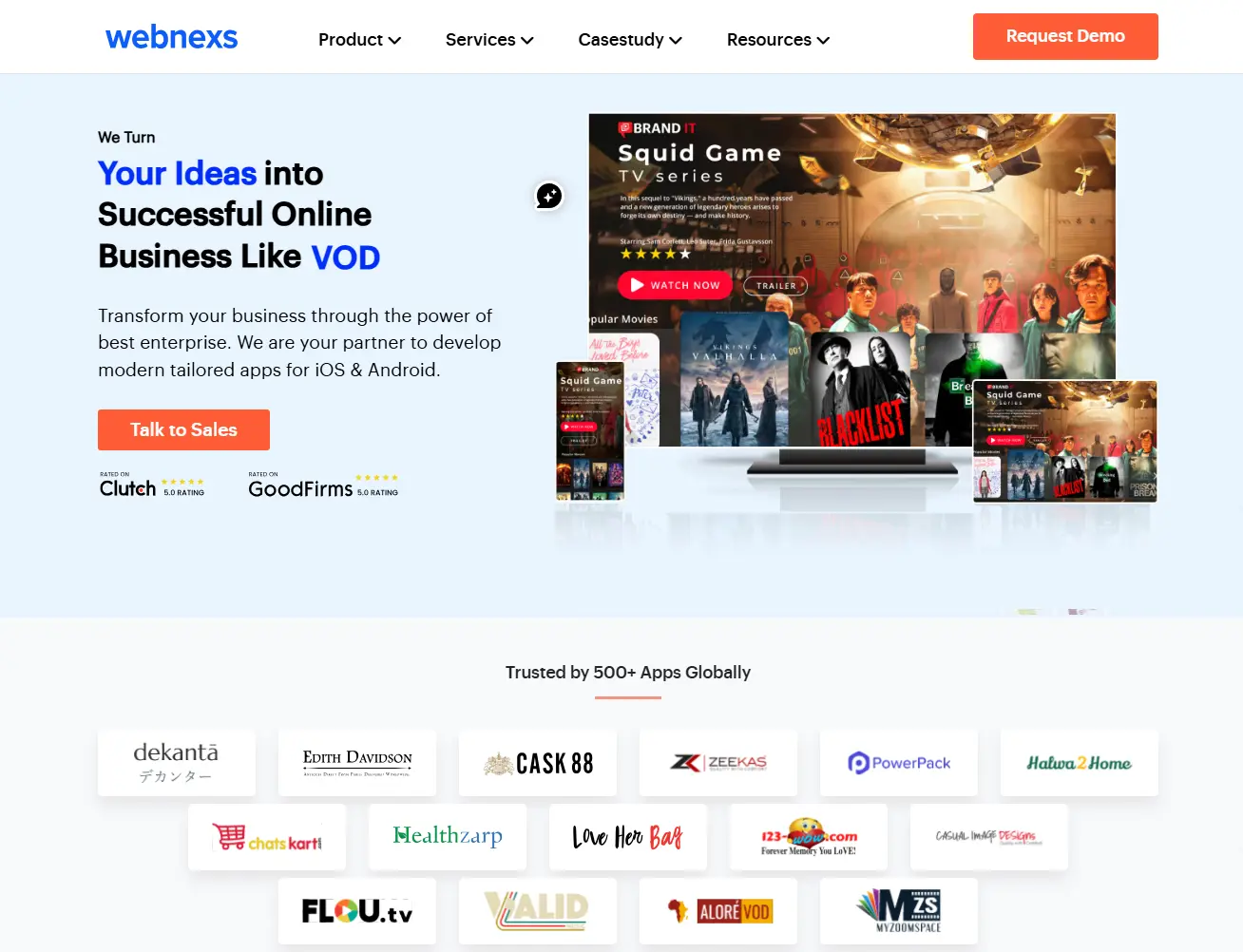
1. Webnexs The OTT Ownership Leader
Key Features
Webnexs provides a one-stop OTT ecosystem well beyond video hosting. It acts as an all-in-one platform for content management monetization tools and multi-device app development. It allows businesses to effortlessly deploy their streaming apps onto mobile devices web platforms and smart TVs without relying on various other third-party services.
Unique Advantage
What truly sets Webnexs apart is its ownership-driven model. Instead of paying continuous subscription fees for limited control businesses gain full authority over their platform infrastructure. This turns the OTT platform into a long-term digital asset rather than an ongoing expense.
Migration Advantage
Switching from JW Player is smooth and efficient. Webnexs ensures that your content library user data and workflows are transferred without disruption reducing downtime and technical complexity.
JW Player Alternative Angle
Webnexs doesn’t just replace a video player it upgrades your entire streaming approach into a scalable OTT business with built-in monetization and global app distribution.
Expert Insight
Industry experts often recommend Webnexs for enterprises that are focused on long-term growth scalability and complete platform ownership rather than short-term streaming solutions.
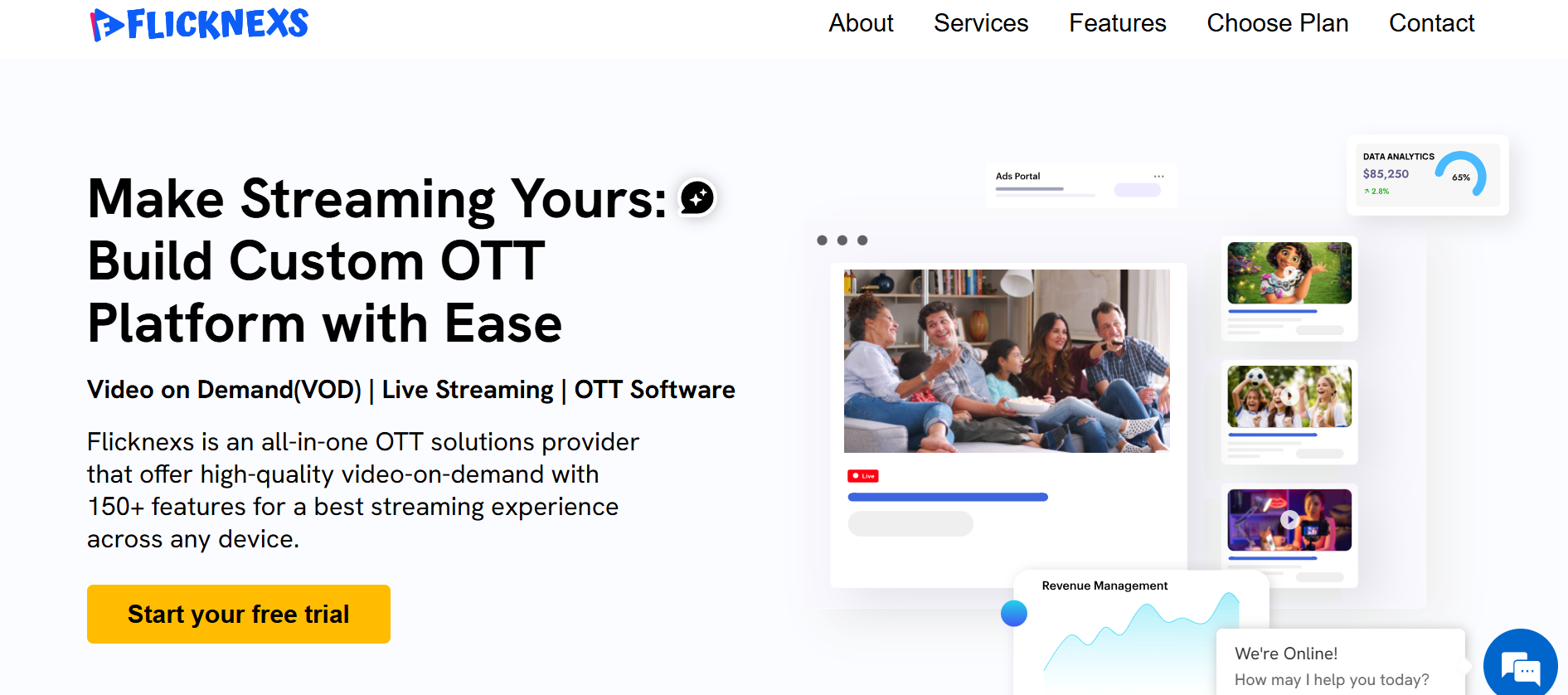
2. Flicknexs The Growth Focused OTT Platform
Key Features
Flicknexs is a multi-faceted OTT solution with built-in monetization, fast deployment and robust cross-device compatibility. Aimed at businesses that want to develop quickly in the OTT space without compromising on scalability long term.
Strength
One of its greatest strengths is hybrid flexibility. You have the option to begin with a simple, pre-built setup and then implement customizations with the growth and maturity of your platform.
JW Player Alternative Angle
Compared to JW Player Flicknexs provides a more scalable and OTT-focused environment making it better suited for businesses planning long-term expansion.
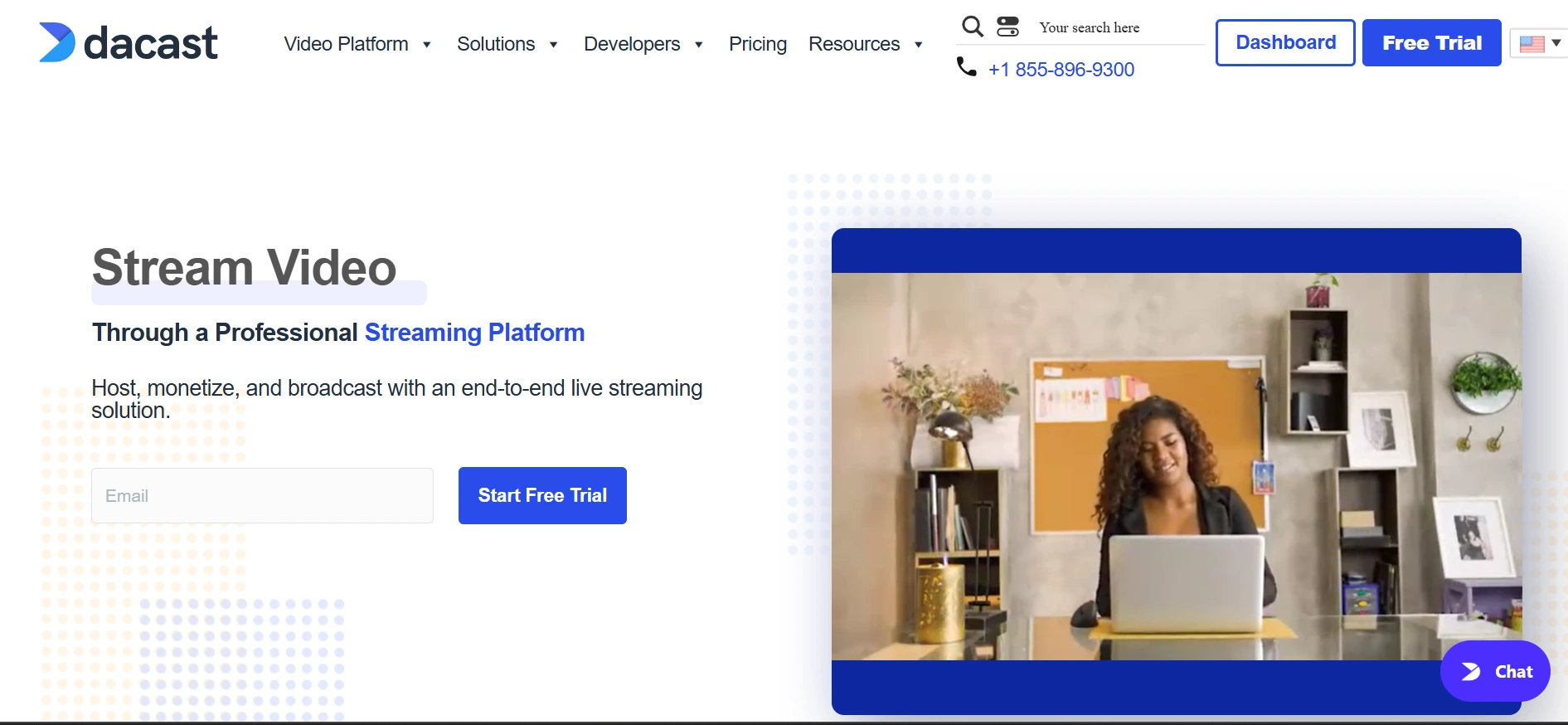
3. Dacast Streaming and Hosting Platform
Key Features
Dacast: A platform focused on professional live streaming video hosting and content delivery via global CDN. This is especially helpful for organizations that care about consistent streaming performance.
Strength
This simplicity and quality of the streaming service make it attractive even for teams without extensive technical resources.
JW Player Alternative Angle
While it offers stronger live streaming capabilities than JW Player it still follows a SaaS model which limits long-term control and ownership.
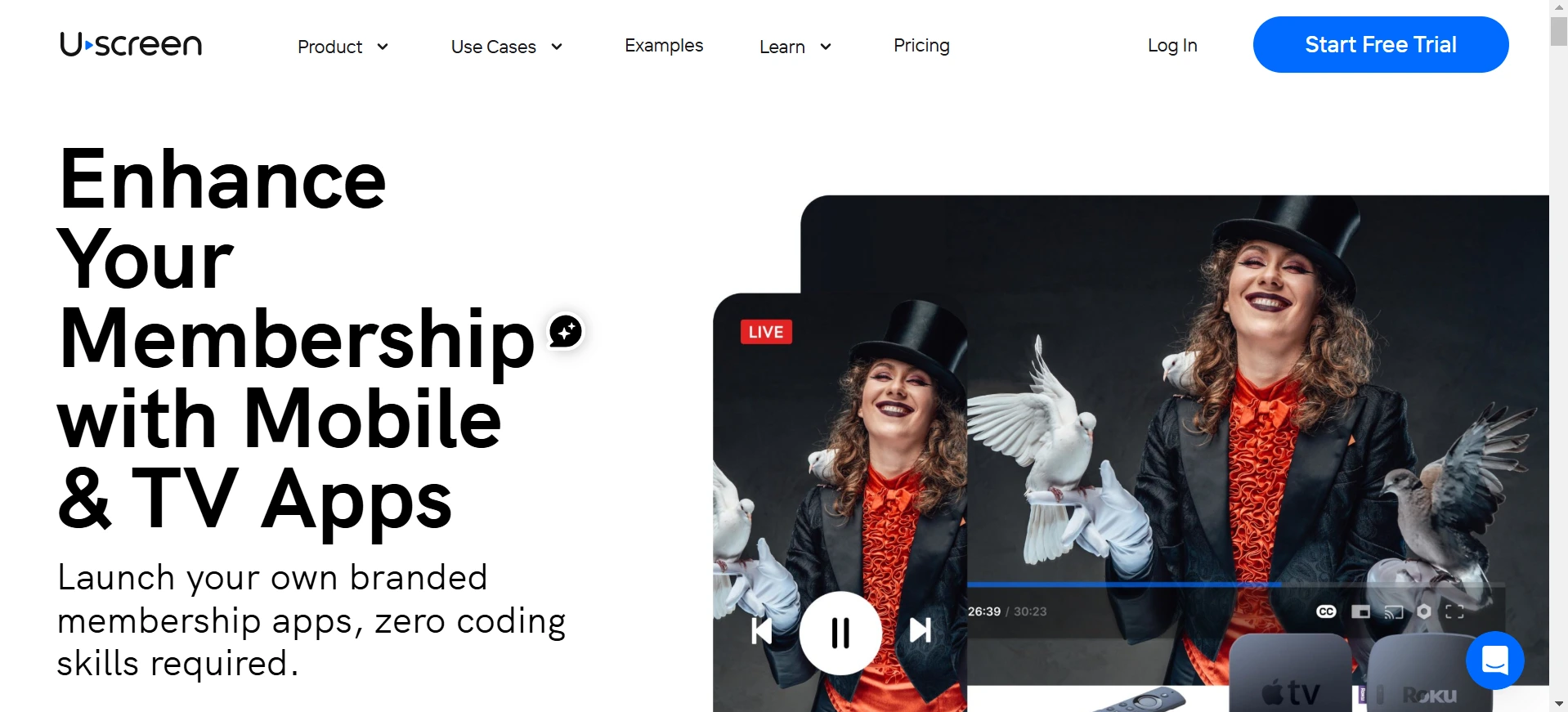
4. Uscreen Membership Based OTT Platform
Key Features
The architecture of Uscreen is geared towards subscription-driven Businesses. That includes tools to help manage memberships, build communities, and launch branded apps.
Strength
It is best utilized for niche creators, including teachers trainers within the fitness world and content communities looking to monetize directly with subscriptions.
JW Player Alternative Angle
Uscreen has better options for monetization versus JW Player (but may not scale as great at the enterprise-level).
5. Brightcove Enterprise Media Leader
Key Features
Brightcove provides for detailed analytics DRM protection with and a highly robust global streaming infrastructure. It was built for high performance and security to support mass media operations.
Strength
With its enterprise-grade scalability, this solution is popular among large organizations needing reliability compliance and a deep understanding of viewer behavior.
JW Player Alternative Angle
It is significantly more powerful than JW Player but this comes with increased complexity and higher costs.
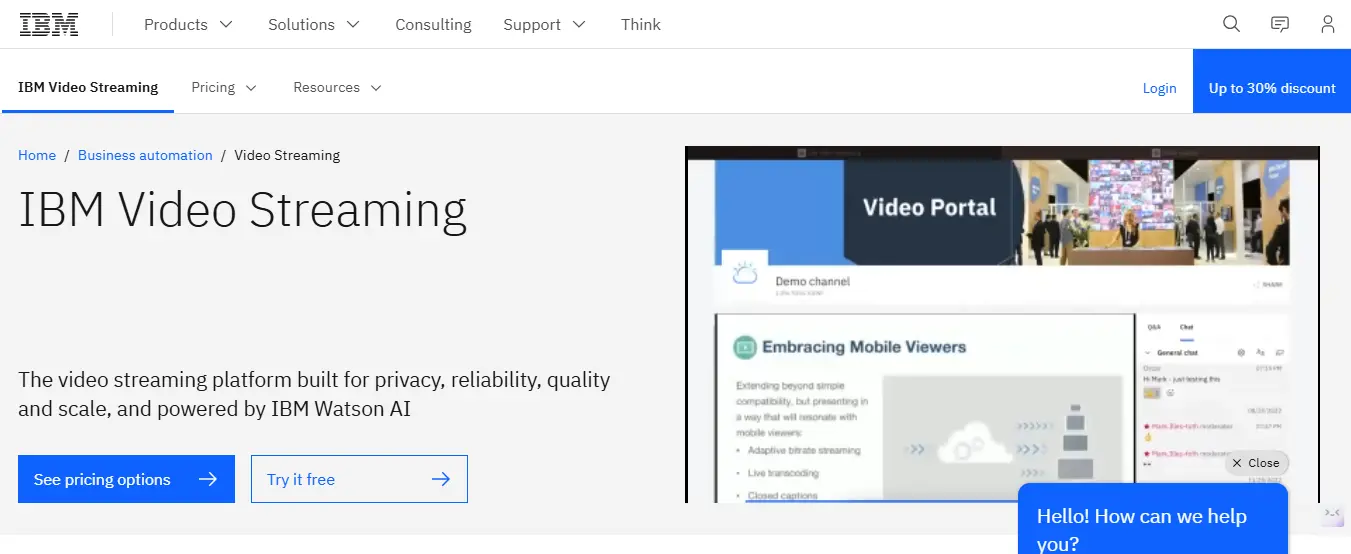
6. IBM Video Streaming AI Video Platform
Key Features
IBM Video Streaming combines secure video delivery with AI-enhanced analytics and enterprise-grade reliability for an environment skilled enough to deliver professional broadcasting.
Strength
This is especially well-suited to corporate communications webinars and for internal streaming needs where stability and security are crucial.
JW Player Alternative Angle
It is more reliable than JW Player but does not give the full OTT ecosystem necessary for businesses that operate primarily on content.
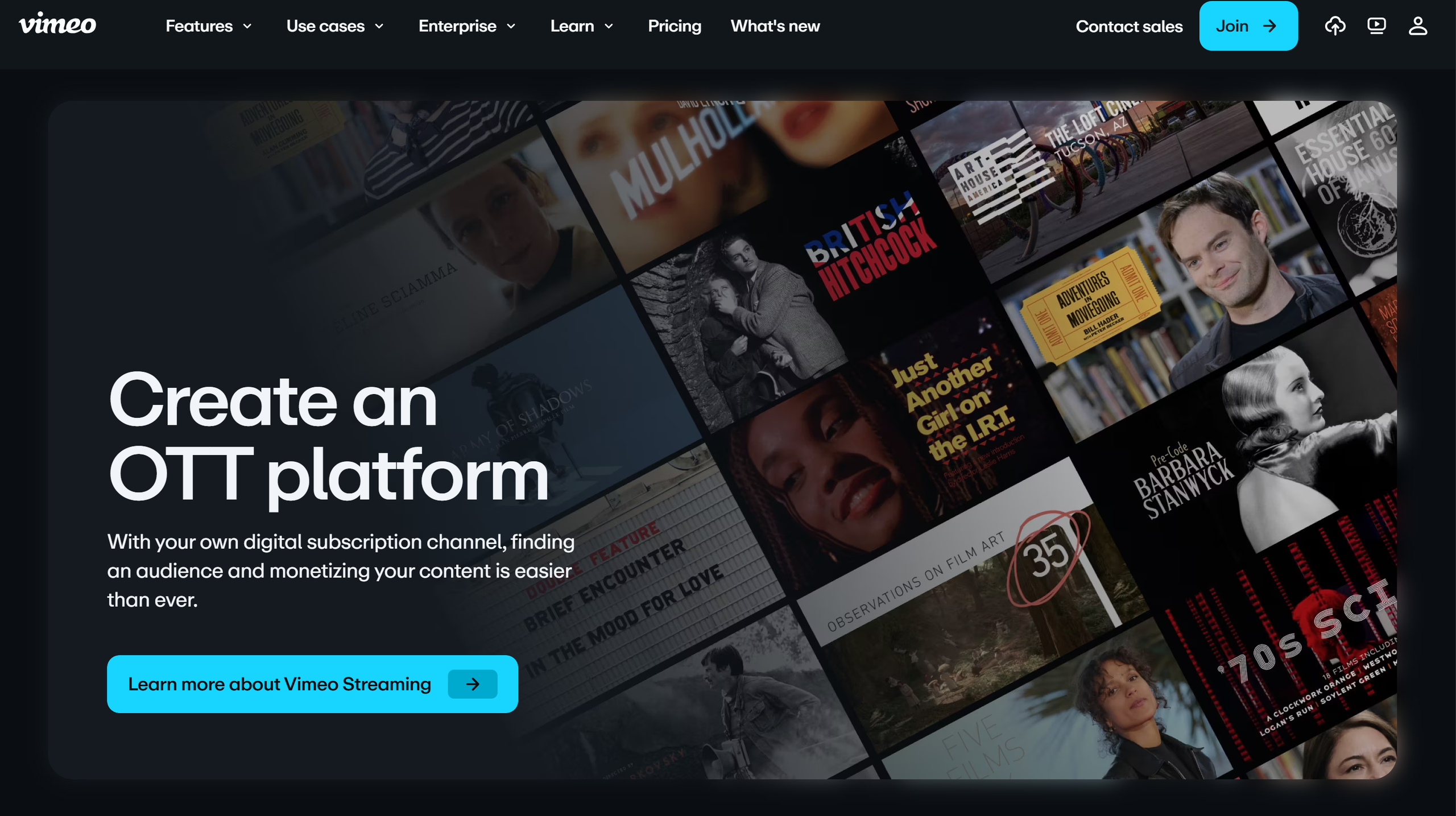
7. Vimeo OTT Creator Friendly OTT Platform
Key Features
Vimeo OTT could simplify launching streaming apps and managing subscriptions for independent creators or small teams.
Strength
It is designed for technicians with little technical knowledge to help users set up and manage their OTT platform.
JW Player Alternative Angle
Compared to JW Player it is easier to use but lacks the advanced capabilities required for enterprise level scaling.
8. Kaltura Custom Video Platform
Key Features
Kaltura is an open-architecture video platform providing deeply integrated APIs and choice of supported services; best suited for businesses who want complete control of their video infrastructure.
Strength
This offers unparalleled flexibility and enables organizations to create highly customized video solutions.
JW Player Alternative Angle
It offers much more customization than JW Player, but a competent technical staff to implement and maintain.
9. Wowza Low Latency Streaming
Key Features
Wowza provides support for many protocols and ultra-low latency, specializing in real-time streaming.
Strength
Best suited for live events where even a small delay could be detrimental to user experience such as sports streaming or auctions.
JW Player Alternative Angle
But for all its latency advantages over JW Player, it is besides built-in OTT features such as monetization and app ecosystems.
10. Muvi End to End OTT Platform
Key Features
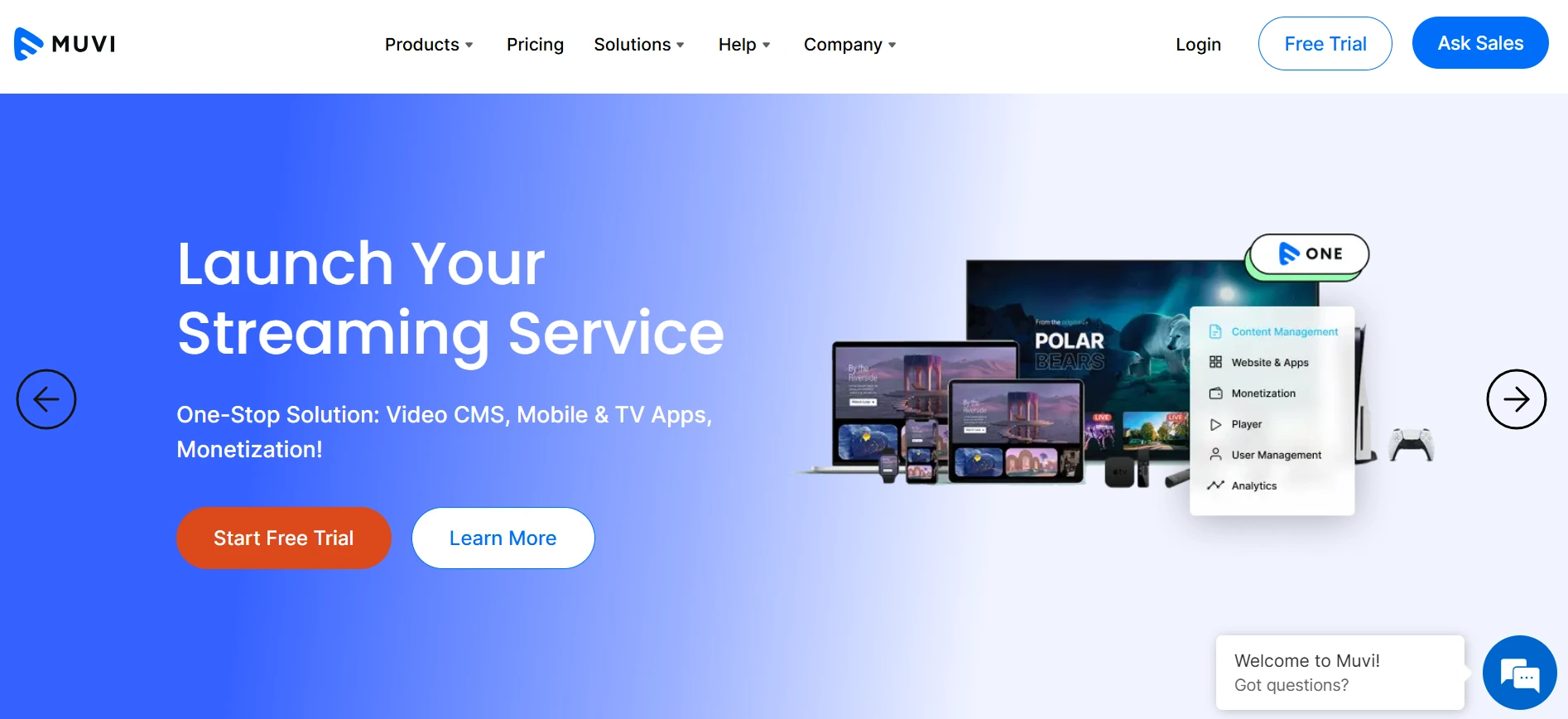
Muvi provides a 360° OTT solution around content and multi-device app-based monetization.
Strength
It has a more simple deployment process and thus can serve as an ideal option for businesses wanting to launch their OTT platform with short development cycles.
JW Player Alternative Angle
It offers a more holistic offering than JW Player however does suffer from the centralization limitation that most SaaS solutions impose on their users: complete ownership and long-term control is limited.
Advanced Feature Comparison Featured Snippet Dominator
| Platform | OTT Apps | Monetization | DRM | API | Ownership |
| Webnexs | Yes | Yes | Yes | Yes | Yes |
| Flicknexs | Yes | Yes | Yes | Yes | Partial |
| Dacast | No | Limited | Yes | Yes | No |
| Uscreen | Yes | Yes | Limited | Yes | No |
| Brightcove | Yes | Yes | Yes | Yes | No |
| IBM | No | Limited | Yes | Yes | No |
| Vimeo OTT | Yes | Yes | Limited | Yes | No |
| Kaltura | Yes | Yes | Yes | Yes | Partial |
| Wowza | No | No | Yes | Yes | No |
| Muvi | Yes | Yes | Yes | Yes | No |
Technical Gaps Why SaaS Platforms Fail at Scale
SaaS based video platforms tend to be the easiest and quickest way of getting started, especially in the early days. They provide ready-made infrastructure with easy setup and low tech efforts. But with more users grow, more content grows, more regions these same advantages can becomes restrictions.
The biggest issue is lack of control. With SaaS platforms you’re working within predefined boundaries. You can’t fully optimize performance customize features deeply or control how your infrastructure scales. Costs also tend to increase as usage grows which can quickly eat into your margins.
Over time what started as a convenient solution can become a bottleneck especially for businesses aiming to build a large-scale OTT ecosystem rather than just stream videos.
Why SSAI is Critical for Ad Revenue
Despite social crises and ecosystem conflicts, SSAI (Server-Side Ad Insertion) has been at the forefront of modern video monetization. Having performed well for other platforms, compared to traditional client-side ads that can be skipped or blocked, SSAI embeds the ad right into the video stream.
This creates a much smoother viewing experience. Users don’t face buffering issues or disruptive ad loading and ads feel like a natural part of the content. From a business perspective this leads to higher ad completion rates and better revenue generation.
Another major advantage is ad-blocker resistance. Since ads are stitched into the stream on the server side they’re much harder to bypass. For platforms relying on ad-based revenue AVOD SSAI is no longer optional it’s essential.
Multi DRM for Premium Content Protection
When you’re dealing with premium or exclusive content security becomes a top priority. This is where Multi-DRM Digital Rights Management plays a crucial role.
Multi-DRM ensures your content is protected across different devices and platforms by supporting multiple DRM technologies like Widevine PlayReady and FairPlay. This means whether your audience is watching on Android iOS smart TVs or browsers your content remains secure.
Without proper DRM your platform becomes vulnerable to piracy unauthorized distribution and revenue loss. For businesses investing heavily in content production or licensing Multi-DRM isn’t just a feature it’s a necessity for protecting long-term value.
CDN Limitations in SaaS Platforms
Content Delivery Networks CDNs are responsible for delivering your video content quickly and efficiently to users around the world. While most SaaS platforms include CDN services they often come with limitations.
You typically don’t get full control over CDN selection traffic routing performance optimization
Scaling to global audiences may create problems of buffering latency or unstable streaming quality.
In contrast, control over your CDN strategy means you can optimize delivery in accordance with geography user demand and network conditions. That flexibility is vital because, without it, SaaS platforms can find it hard to deliver performance odder at scale.
OTT Ecosystem Expansion Challenges
Building a successful OTT platform isn’t just about streaming videos it’s about creating an entire ecosystem. This includes mobile apps smart TV apps payment integrations analytics marketing tools and more.
SaaS platforms often limit how far you can expand this ecosystem. Integrations may be restricted customization options can be shallow and adding new features may depend entirely on the provider’s roadmap.
As your business grows these limitations can slow down innovation and make it harder to adapt to market demands. Instead of evolving freely you’re tied to the capabilities and priorities of the platform you’re using.
Final Verdict Which Platform Should You Choose
| Goal | Best Platform |
| Full Ownership | Webnexs |
| Fast Launch | Flicknexs |
| Simple Streaming | Dacast |
| Enterprise Scale | Brightcove |
Long-Term ROI Why Ownership Wins
When you first start an OTT platform SaaS options can feel easier and cheaper. You pay a monthly fee everything is ready and you can launch quickly. But over time those costs keep adding up subscriptions extra features bandwidth and sometimes even a share of your revenue.
Ownership platforms work differently. Instead of paying again and again you invest once and build something that belongs to you. Your OTT platform becomes a real asset not just a service you rent.
One big advantage is saving money in the long run. As your audience grows your revenue increases but you’re not constantly paying higher platform fees. This helps you keep better profit margins.
Another important benefit is full control. You can customize your platform the way you want add new features and scale without depending on someone else’s limitations or timeline.
Ownership also means your brand stays yours. Your content your users your data everything is under your control. You’re not tied to a third-party platform that can change pricing or rules anytime.
In simple terms
SaaS helps you start quickly
Ownership helps you grow stronger
If you’re thinking long term ownership gives you more value more freedom and better returns over time.
Explore JW Player Alternatives and Build Your OTT Platform Today
Conclusion
At its core, JW Player is great for playing and delivering videos. But today, most businesses want more than that. They want to build full streaming platforms with apps, subscriptions, and real revenue.
That’s why many are moving to platforms like Webnexs, Flicknexs, Dacast, and Brightcove. These don’t just stream videos, they help you run and grow a complete OTT business.
The choice is simple.
If you only need basic video hosting, JW Player can work.
But if you’re thinking about growth, monetization, and long-term success, you need something more powerful.
In the end, it’s not just about switching platforms. It’s about choosing one that can grow with your business.
Frequently Asked Questions
For background, see how OTT media services work.