Looking for the best IBM Video Streaming alternatives in 2026? Businesses are shifting toward OTT platforms that offer ownership scalability and monetization flexibility. Webnexs leads overall Flicknexs enables fastest deployment Dacast suits simple SaaS streaming and Brightcove supports enterprise-grade broadcasting needs.
Quick Picks:
Best overall: Webnexs
Fastest launch: Flicknexs
Best SaaS: Dacast
Best enterprise: Brightcove
What is IBM Video Streaming?
Overview
IBM Video Streaming is a secure enterprise-grade platform built for large-scale broadcasting. Originating from IBM Cloud Video it’s widely used for corporate communications training and live events focused more on reliable delivery than building a full video business.
Enterprises use it for town halls product launches and global webinars where uptime is critical powered by IBM’s strong cloud infrastructure. However as businesses shift toward OTT platforms like Netflix and Disney+ its limitations in monetization and ownership have become clearer.
Deep Dive
It offers core features like live streaming and video hosting with adaptive bitrate for smooth playback. Secure webinars access control and analytics make it ideal for internal use.
While strong for large virtual and hybrid events with chat and Q&A it lacks flexibility for building subscription-based or consumer-facing platforms.
Technical Edge
Backed by IBM Cloud it ensures global CDN delivery low latency and high reliability.
However it lacks OTT monetization models SVOD AVOD TVOD and a robust app ecosystem for mobile and smart TVs limiting scalability and multi-device reach.
Beyond Enterprise Streaming — Why Businesses Are Moving Away from IBM Video Streaming
Limited OTT Monetization Capabilities
One of the biggest reasons businesses are exploring alternatives is monetization.IBM Video Streaming does not have over-the-top revenue model functionality built into it. It does support some basic paywall integrations but it is not custom-built for advanced monetization strategies such as subscription tiers dynamic pricing or ad-based revenue optimization.
Modern OTT platforms thrive on flexibility. For example a fitness brand might want monthly subscriptions while also offering pay-per-view classes. A media company might combine ads with premium subscriptions. IBM’s limitations make these strategies difficult to implement effectively.
According to recent industry reports the global OTT market is expected to exceed $400 billion by 2027. This growth is driven largely by diversified monetization models. Platforms that cannot support these models risk falling behind.
High Cost for Scaling Video Infrastructure
At first glance IBM Video Streaming seems cost-effective for enterprises. But as your audience grows costs can escalate quickly. Bandwidth usage storage and advanced features often come with additional charges.
This creates a challenge for businesses aiming to scale. Imagine launching a successful streaming platform and suddenly facing rising operational costs that eat into your profits. It becomes difficult to maintain predictable budgeting.
In contrast many modern OTT platforms offer transparent pricing or ownership models where long-term costs are significantly reduced. This is one of the key reasons companies are re-evaluating their streaming strategies.
Lack of Full Platform Ownership
Ownership is becoming a major factor in decision-making. With IBM Video Streaming you are essentially renting the platform.You do not own the infrastructure, nor the technology; much of your control is tied up an ecosystem.
This can be disappointing for companies that would like to customize their platform or build tailored user experiences.You are restricted by the platform’s capabilities and roadmap.
Ownership-based platforms allow businesses to treat their OTT service as a digital asset. This means full control over branding features data and monetization. Over time this translates into higher ROI and greater independence.
Complexity in Customization
IBM also underperforms in customization. Although it opens up APIs, they are less flexible or comprehensive than those from newer OTT platforms. This makes it hard to integrate with other tools or create complex workflows.
You may also run into limitations if you are looking to build a custom recommendation system or potentially collaborate with a CRM software. This reduces innovation speed and leads to higher development time.
Businesses today need agility. They want to experiment with new features quickly and adapt to changing user behavior. Platforms that restrict customization can become bottlenecks.
Comparison Table
| Feature | IBM Video Streaming | Modern OTT Platforms |
| Monetization | Limited | SVOD AVOD TVOD |
| OTT Apps | No | Yes |
| Ownership | No | Yes |
| Customization | Moderate | High |
| API Access | Limited | Full |
Discover Top IBM Video Streaming Alternatives and Choose Your Ideal OTT Platform Today
Platform Ownership vs SaaS Rental — The 2026 OTT Shift
SaaS Platforms (IBM Dacast Vimeo OTT) — OpEx
SaaS platforms operate on a subscription model which means you pay monthly or annually to use the service. This is known as operational expenditure or OpEx. It is appealing because it requires low upfront investment and allows businesses to get started quickly.
IBM Video Streaming falls into this category along with platforms like Dacast and Vimeo OTT. They handle infrastructure updates and maintenance which reduces technical burden. However the downside is long-term cost accumulation and limited control.
Over time businesses may realize they are paying significant amounts without owning any part of the platform. It is similar to renting a house for years without building equity.
Ownership Platforms (Webnexs) — CapEx
Ownership platforms flip this model. Instead of paying recurring fees you invest upfront to build your OTT platform. This is considered capital expenditure or CapEx.
Webnexs is a leading example of this approach. It provides a fully customizable OTT solution where businesses own the platform and its underlying technology. This allows complete control over features design and monetization.
The long-term ROI is significantly higher because you are building an asset. As your audience grows your costs do not scale in the same way as SaaS platforms. This makes ownership models increasingly attractive in 2026.
Hybrid SaaS (Flicknexs) — Flexibility
Hybrid platforms like Flicknexs offer a middle ground. They combine the ease of SaaS with elements of ownership and customization. This gives businesses flexibility without requiring a large upfront investment.
You can launch quickly using pre-built features and then gradually customize the platform as your business grows. This approach is ideal for startups and mid-sized companies that want scalability without complexity.
ROI Comparison Table
| Model | Cost Type | Long-Term ROI | Control | Scalability |
| SaaS | Recurring | Low | Limited | Medium |
| Ownership | One-time | High | Full | High |
| Hybrid | Mixed | Medium | Flexible | High |
Visual Architecture — OTT Platform Models
Understanding OTT platform architecture can feel overwhelming at first. But when you break it down it becomes much clearer. Think of it like choosing between renting an apartment building your own house or leasing with an option to buy.
SaaS platforms are subscription-based systems where everything is managed for you. You log in upload your content and start streaming. It is simple and efficient but comes with limitations. You cannot fully customize the backend or control the infrastructure.
Ownership models are entirely different. That is where you develop a custom OTT infrastructure specific to your requirements. You control how content is delivered, how users use the platform and where revenue comes from. It takes a greater investment but provides unrivaled versatility.
Hybrid models combine both worlds. It comes with out of the box features and over time, it gives you customizable use cases. That is what makes these perfect for companies who want a quick start but also long-term flexibility.
Choosing the right architecture depends on your goals. Are you looking for quick deployment or long-term scalability? Do you want full control or convenience? These questions shape your decision.
The Top 10 IBM Video Streaming Alternatives (Technical Ranking)
1. Webnexs — The OTT Ownership Leader
Key Features
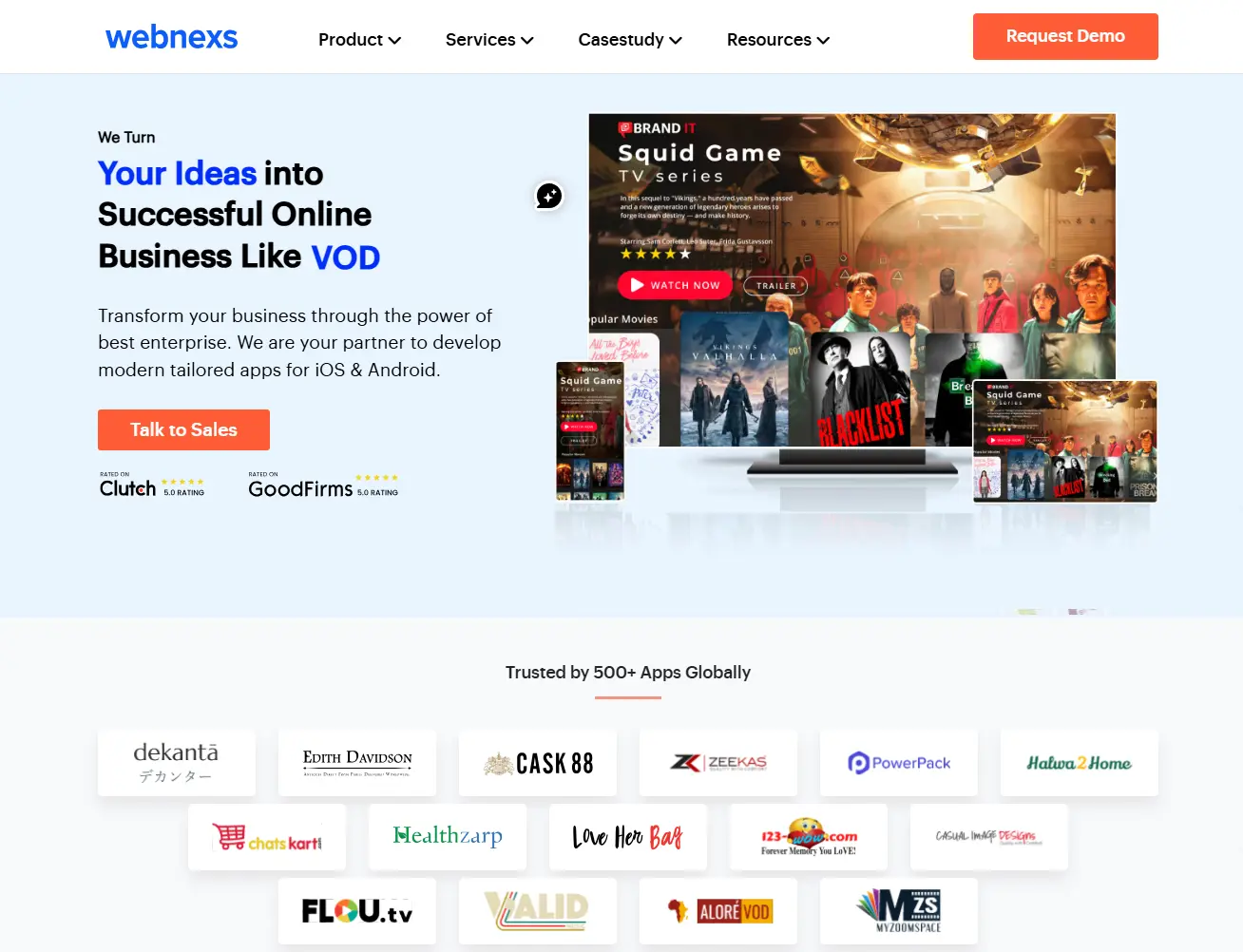
Webnexs OTT platform for business provides a good solution where the businesses can have full ownership over their streaming ecosystem. It provides end-to-end solutions from content management to video hosting monetization tools and multi-device support. Run Apps for Mobile Smart TVs and Web Platforms without Using Third-Party Integrations
It supports various monetization models SVOD AVOD and TVOD. It allows businesses to test a variety of revenue channels and fine-tune their strategy over time. Advanced analytics provide insights into user behavior helping you make data-driven decisions.
Unique Advantage
The biggest advantage of Webnexs is its ownership model. Unlike SaaS platforms you are not renting the service. You own the platform which means complete control over customization branding and data.
This ownership transforms your OTT platform into a long-term asset. It is similar to owning property instead of renting. Over time the value of your platform grows along with your audience.
Migration Advantage
Migrating from IBM Video Streaming to Webnexs is designed to be smooth. The platform offers dedicated support to transfer content users and workflows. This minimizes downtime and ensures a seamless transition.
Businesses can retain their existing audience while upgrading their capabilities. This is crucial for maintaining continuity during migration.
IBM Alternative Angle
Webnexs replaces enterprise streaming with a full OTT business ecosystem. Instead of just broadcasting content you can build a scalable video platform with monetization and app distribution.
Expert Insight
Industry experts often highlight Webnexs as the best choice for businesses focused on long-term growth. Its combination of ownership scalability and flexibility makes it a strong contender in the OTT space.
2. Flicknexs — The Growth-Focused OTT Platform
Key Features
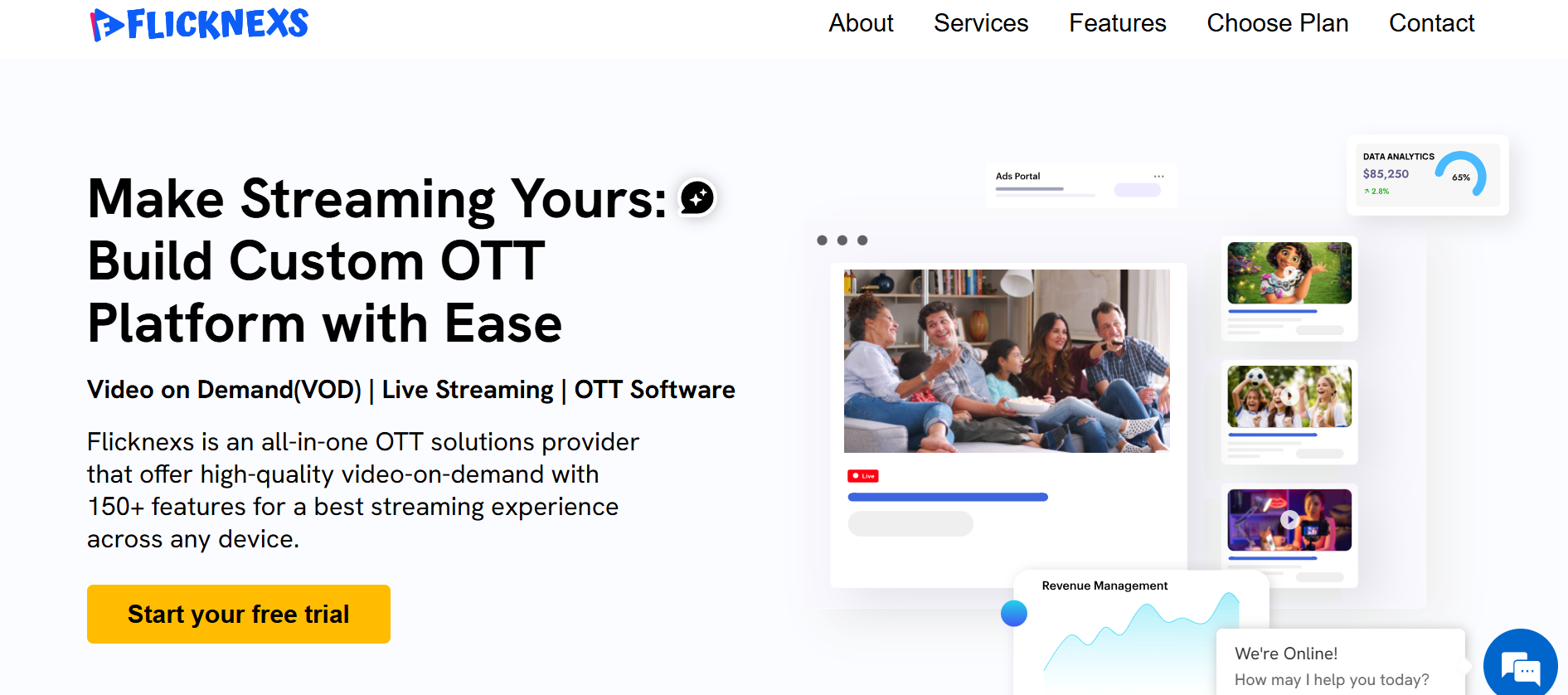
Flicknexs focuses on performance and commodity. Lets you get your OTT platform started in a matter of clicks and comes with templates & tools prebuilt as plug ins for businesses. This is perfect for businesses that want to launch in the market without lengthy development cycles.
It has integrated monetization and cross-device support. This enables a consistent viewing experience on any given platform.
Strength
Its hybrid SaaS model Build out very simple and customize your platform as you grow. It reduces initial complexity and keeps scalability intact.
IBM Alternative Angle
Compared to IBM Video Streaming Flicknexs is faster and easier to deploy. It eliminates much of the complexity associated with enterprise streaming platforms.
3. Dacast — Live Streaming SaaS
Deep Dive
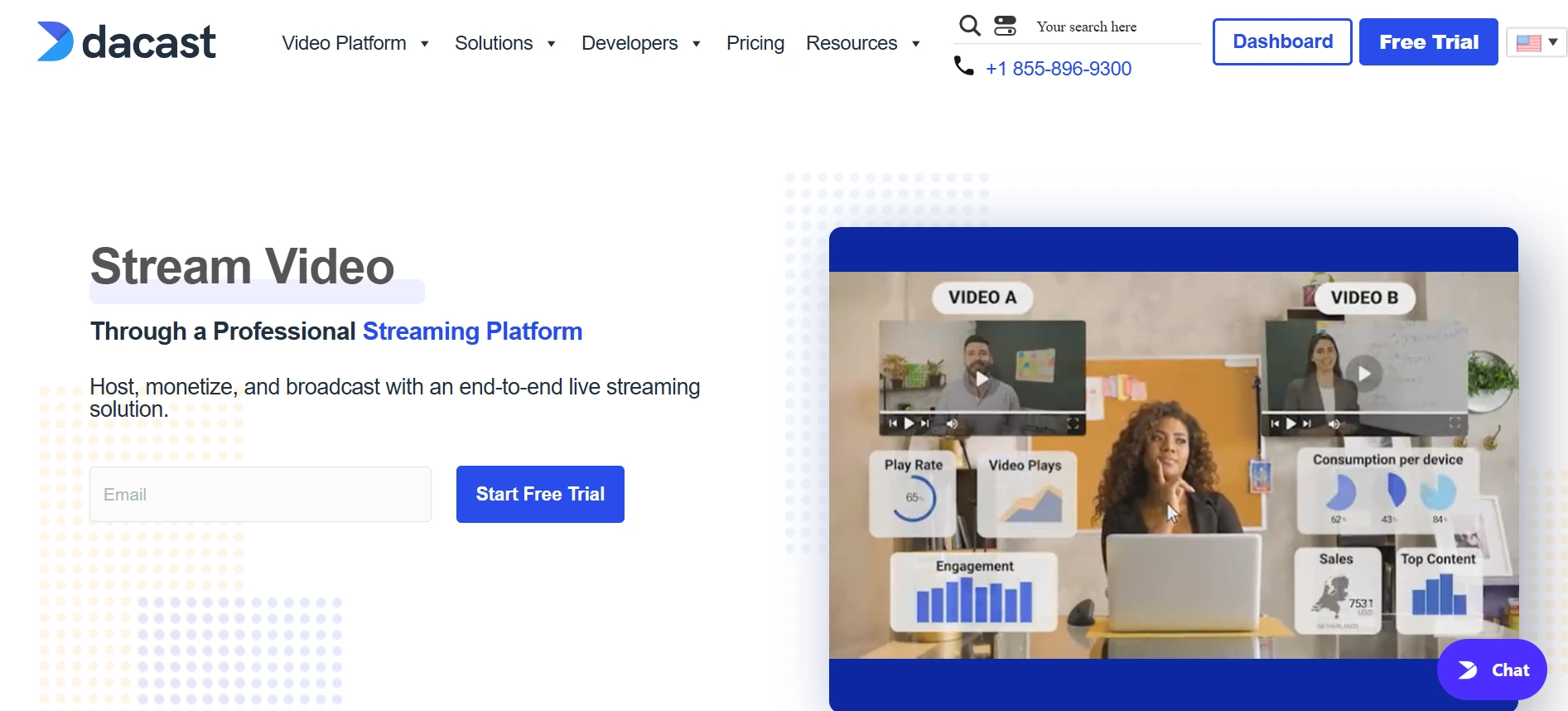
Dacast is a popular SaaS platform for live streaming and video hosting. That being said, it inline businesses which requires an easy solution that does not take too much customization. It has a very simple interface to manage all content and streams.
Technical Edge
Dacast provides reliable streaming with global CDN delivery and basic monetization features. It also includes API access for integrations although not as extensive as ownership platforms.
IBM Alternative Angle
Dacast is simpler than IBM Video Streaming but still limited by its SaaS nature. It is best suited for businesses that prioritize ease of use over customization.
4. Uscreen — Membership OTT
Deep Dive
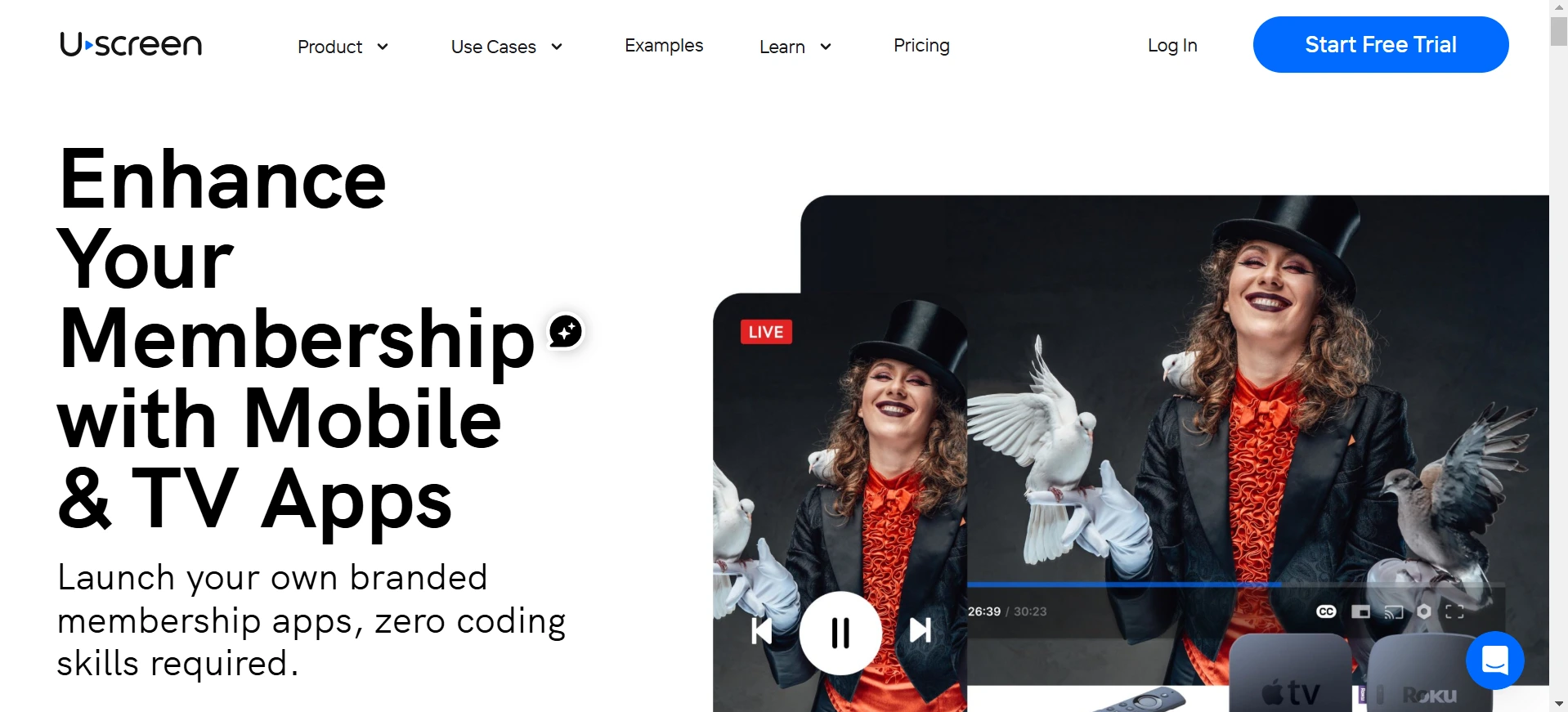
Uscreen focuses on subscription-based platforms for creators and niche communities. It combines video streaming with engagement tools like community features and email marketing plus branded apps though customization is limited.
Technical Edge
It offers reliable hosting subscription billing and an easy-to-use interface. However API flexibility and DRM are basic making it less suitable for enterprise-level needs.
IBM Alternative Angle
Compared to IBM Video Streaming Uscreen shifts from enterprise broadcasting to community-driven monetization great for creators less so for large organizations.
5. Brightcove — Enterprise Video
Deep Dive
Brightcove is an enterprise-grade platform for live and on-demand streaming used by global brands. It offers strong content management and marketing integrations with more OTT flexibility than IBM Video Streaming.
Technical Edge
It delivers high scalability global CDN performance advanced analytics DRM APIs and app tools. However its complexity can be challenging for smaller teams.
IBM Alternative Angle
A direct upgrade to IBM offering similar reliability with stronger OTT and monetization features though still SaaS-based.
6. Vimeo OTT — Creator OTT
Deep Dive
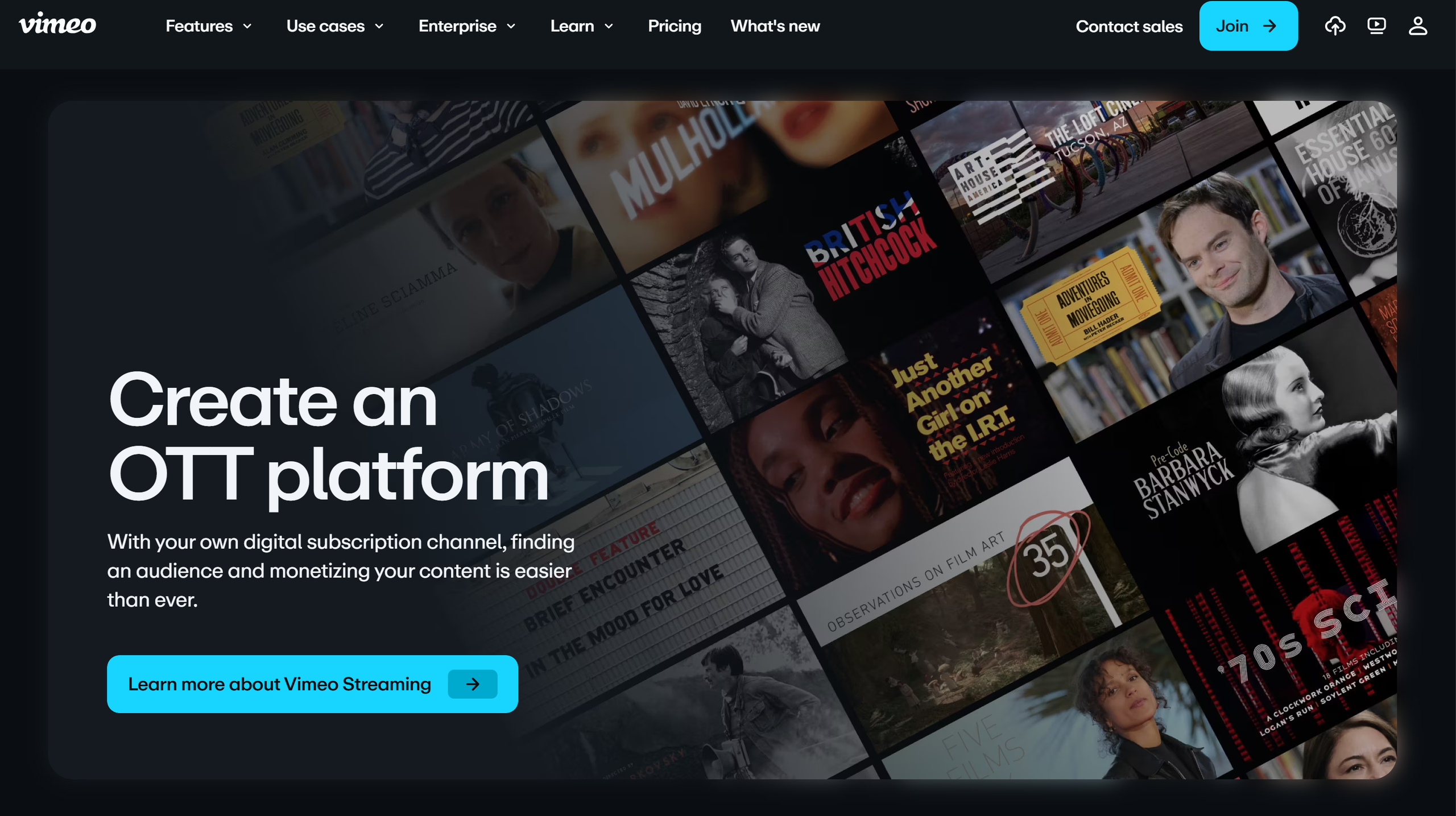
Built for creators Vimeo OTT enables easy launch of streaming services with subscriptions and branded apps. It’s among filmmakers and educators for its simplicity and familiar ecosystem.
Technical Edge
Provides solid hosting streaming and basic monetization. However it lacks advanced DRM and deep integrations needed for large-scale operations.
IBM Alternative Angle
Simpler and more user-friendly than IBM but lacks enterprise-grade power and scalability.
7. Kaltura — Open Video Platform
Deep Dive
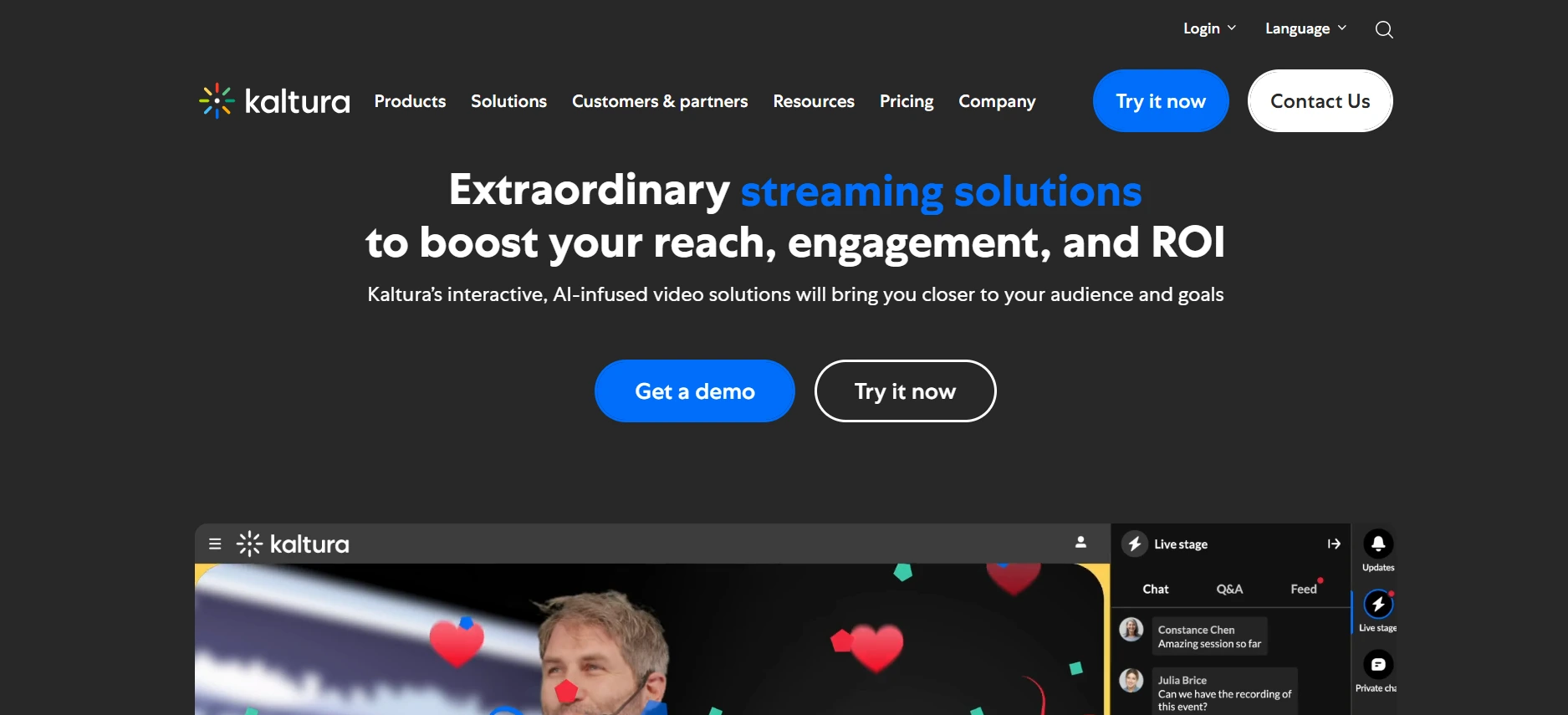
Kaltura is an open, highly extensible platform used by both enterprise and education. It has a modular structure offering multiple use cases features as webinars, virtual classrooms etc.
Technical Edge
Includes advanced DRM APIs and scalable infrastructure. However it requires technical expertise and longer setup time.
IBM Alternative Angle
More flexible than IBM but also more complex best for organizations needing deep customization.
8. JW Player — Video Monetization
Deep Dive
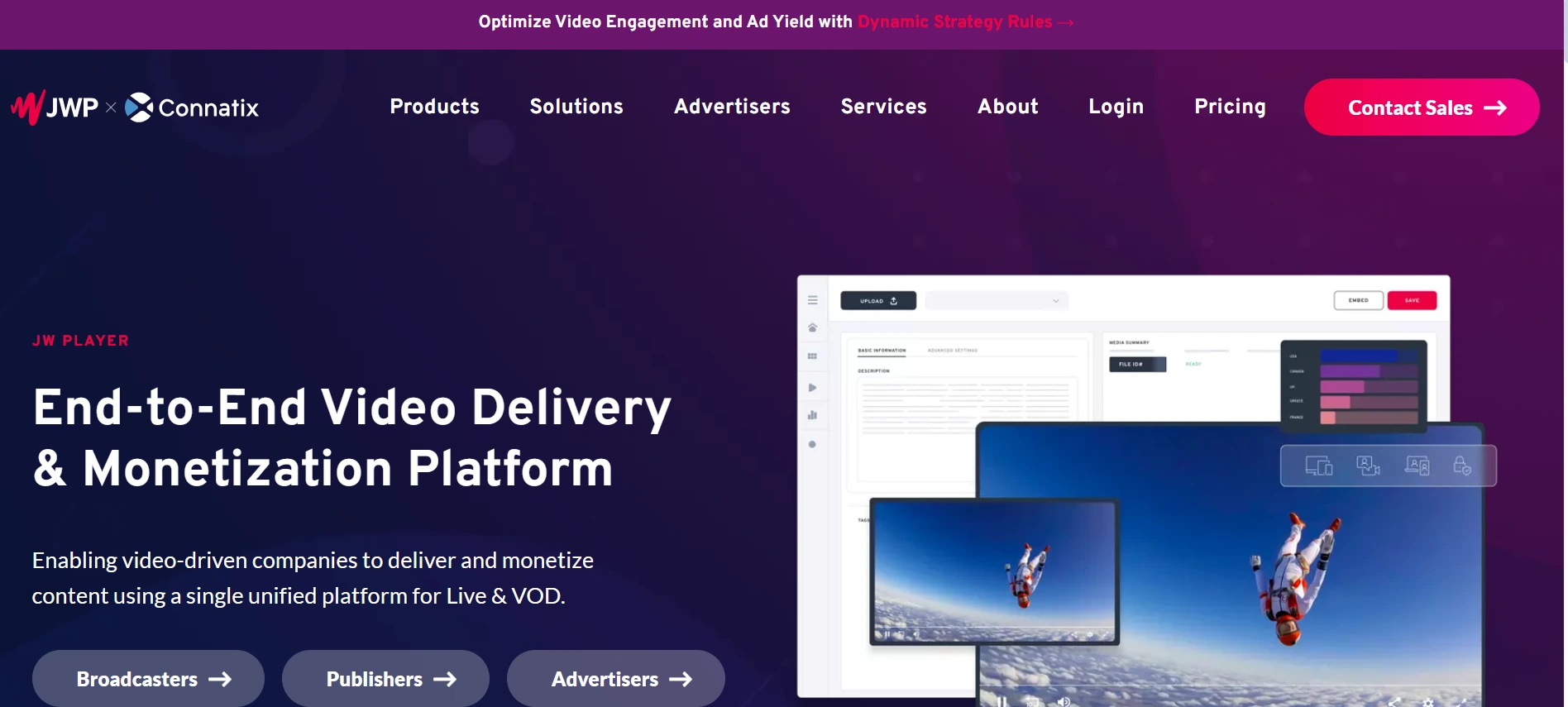
JW Player specializes in ad-driven video monetization AVOD widely used by publishers and media companies. It excels in advertising tools and audience targeting.
Technical Edge
Offers strong playback performance low latency and advanced ad tech. However it lacks full OTT capabilities like app development.
IBM Alternative Angle
Stronger monetization than IBM but better as a complementary tool than a full replacement.
9. Wowza — Low Latency Streaming
Deep Dive
Wowza specializes in ultra-low latency streaming for real-time use cases like sports and gaming. It’s developer-oriented and highly flexible.
Technical Edge
Supports near real-time streaming and multiple protocols. However it lacks built-in OTT features and monetization tools.
IBM Alternative Angle
Outperforms IBM in low-latency scenarios but is not a complete OTT solution.
10. Muvi — End-to-End OTT
Deep Dive
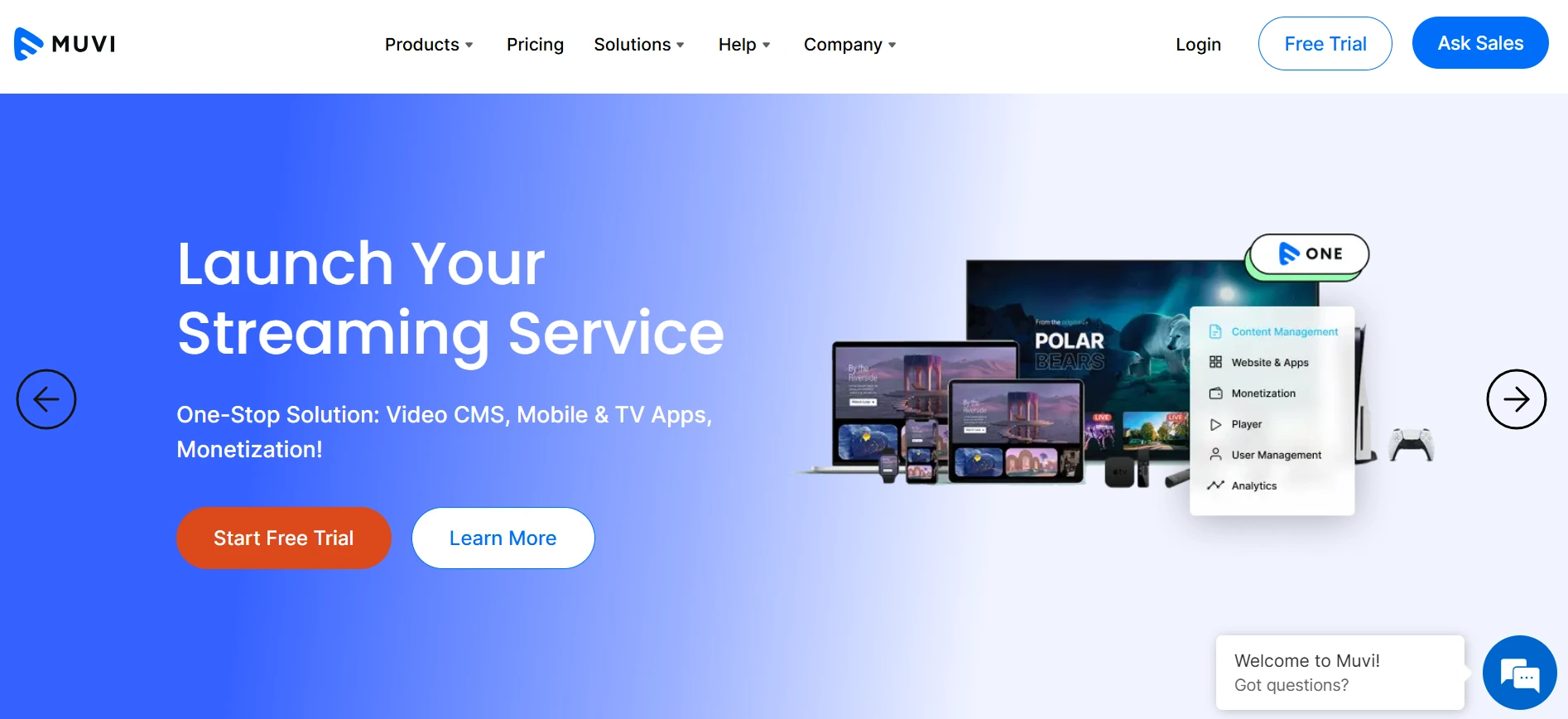
Muvi is an all-in-one OTT platform offering hosting monetization and white-label apps. It’s ideal for businesses wanting a quick complete solution.
Technical Edge
Includes DRM analytics APIs and multi-model monetization. However customization and ownership are limited due to its SaaS nature.
IBM Alternative Angle
More OTT-focused than IBM with better monetization and app support but still constrained by SaaS limitations.
Advanced Feature Comparison
| Platform | OTT Apps | Monetization | DRM | API | Ownership |
| Webnexs | Yes | Yes | Yes | Yes | Yes |
| Flicknexs | Yes | Yes | Yes | Yes | Partial |
| Dacast | No | Limited | Yes | Yes | No |
| Uscreen | Yes | Yes | Limited | Yes | No |
| Brightcove | Yes | Yes | Yes | Yes | No |
| Vimeo OTT | Yes | Yes | Limited | Yes | No |
| Kaltura | Yes | Yes | Yes | Yes | Partial |
| JW Player | No | Yes | Yes | Yes | No |
| Wowza | No | No | Yes | Yes | No |
| Muvi | Yes | Yes | Yes | Yes | No |
Technical Gaps — Why Enterprise SaaS Platforms Fail at Scale
Why SSAI is Critical for Ad Revenue
Server-Side Ad Insertion or SSAI has become essential for modern OTT platforms. It allows ads to be inserted directly into video streams which makes them harder to block. This significantly increases ad revenue compared to traditional client-side methods.
SaaS platforms often provide limited SSAI capabilities which restrict revenue potential. Businesses looking to maximize earnings need advanced ad tech integrations.
Multi-DRM for Premium Content Protection
Content protection, particularly is vital as it relates to premium or licensed material. Having Multi-DRM in place makes sure that the content is secured on all devices and platforms.
Most of the SaaS platforms offer a primitive form of DRM on their books, but most are limited. This can expose businesses to piracy risks.
Performance testing is also critical. Before launch the new system is tested under simulated traffic conditions to confirm it can handle real demand. This avoids unexpected issues after going live.
Explore the Future of Streaming and Compare the Best IBM Video Streaming Alternatives Today
CDN Limitations in SaaS Platforms
While SaaS platforms use CDNs they often limit customization. Businesses cannot choose or optimize their delivery networks fully. This can impact performance in specific regions.
Ownership platforms provide greater control over CDN configurations which improves streaming quality.
OTT Ecosystem Expansion Challenges
Expanding an OTT platform involves adding new features integrations and distribution channels. SaaS platforms can become restrictive as businesses grow.
Ownership and hybrid models offer more flexibility which makes scaling easier.
Final Verdict — Which Platform Should You Choose
| Goal | Best Platform |
| Full Ownership | Webnexs |
| Fast Launch | Flicknexs |
| Simple Streaming | Dacast |
| Membership OTT | Uscreen |
| Enterprise Scale | Brightcove |
Choosing the right platform depends entirely on your business goals. If you are building a long-term OTT business ownership becomes crucial. If speed is your priority hybrid solutions work better. Understanding your growth strategy will guide your decision.
Long-Term ROI — Why Ownership Wins
Ownership changes the entire equation. Instead of paying recurring fees you invest in a platform that grows with your business. This creates a sustainable revenue model where costs remain predictable.
SaaS platforms may seem convenient initially but over time they become expensive. You are constantly paying without gaining control or equity.
Webnexs stands out because it turns your OTT platform into a digital asset. This shift from expense to investment is what drives long-term profitability.
Conclusion
Video streaming is changing fast. Platforms like IBM Video Streaming are still useful for webinars and internal events, but they are not enough if you want to build a full OTT business.
Today, businesses need more than just streaming. They need better control, flexible monetization, and the ability to scale without limits. That is why many are moving to platforms like Webnexs, Flicknexs, and Brightcove.
The right choice depends on your goal. If you want to launch quickly, SaaS platforms work well. If you want long term growth and full control, ownership based platforms are a better fit.
In the end, it is not just about choosing a platform. It is about building a strong foundation for your future growth.