
What is VOD? And How It Works – Complete Guide 2026
Quick answer: What is Vod? Video on Demand (VOD) allows users to stream or download content anytime, offering flexibility compared to traditional TV schedules.
Webnexs develops VOD platforms for businesses and individuals.
Key takeaways
- VOD offers flexible viewing
- On-demand video is growing
- Streaming services are popular
- VOD is used for various content
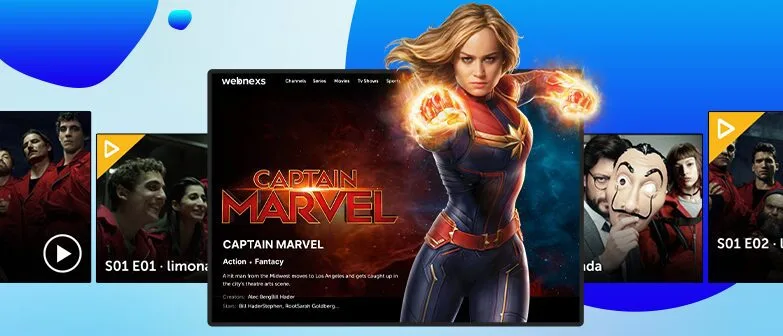
Quick Answer
Video on Demand (VOD) allows users to stream or download content anytime, offering flexibility compared to traditional TV schedules. It works by storing media on servers, accessible via internet-enabled devices. Users select content, which is delivered through streaming protocols, ensuring smooth playback. VOD platforms often use adaptive bitrate streaming to adjust quality based on internet speed.
Nowadays, people watch content in a more flexible and on-demand manner. When they search for “what is VOD“, they are looking for video streaming services that allow them to watch videos at any time without following a traditional TV schedule. VOD stands out because it lets viewers choose what, when, and how they want to watch content.
The Video on Demand (VOD) market is growing rapidly. With more people having internet-connected devices, streaming has become more affordable and convenient. Viewers prefer the flexibility of watching content on their own schedules. Major platforms like Netflix, Disney+, Hulu, and Amazon Prime Video lead the way, but there are also niche platforms for fitness, education, and corporate training. Whether you create videos, run a business, or just enjoy watching, understanding VOD is essential for navigating today’s media landscape.
VOD is not limited to movies and TV shows; it’s also used for educational content, fitness programs, and employee training. This versatility allows people to watch videos whenever they want, even multiple times if needed, making it a powerful tool in various fields.
Here are some important points that show how this trend is becoming more popular:
- Video streaming has seen significant growth over the past few years, indicating a strong and sustained demand for video content.
- Streaming usage has surged, with a notable shift toward connected TV viewing, making it a preferred choice for many households.
- Consumer adoption has accelerated, with many U.S. consumers subscribing to multiple VOD services to meet their diverse entertainment needs.
These points highlight the rapid growth and popularity of Video on Demand (VOD), making it one of the most scalable and profitable digital business models today. In this guide, you’ll learn how VOD platforms work, their revenue models, and how businesses can successfully launch and monetize their own streaming services.
Understanding the Concept of Streaming Platforms
Streaming platforms offer the flexibility to watch content at any time, without adhering to a television schedule. This convenient and user-friendly approach is gaining widespread popularity. People can enjoy their favorite shows and movies at any time, making it an ideal way to consume media.
Unlike traditional broadcast or cable TV, on-demand video gives viewers the freedom to choose what they want to watch at their convenience.” viewers have the freedom to choose what they want to watch at their convenience, without being constrained by specific airtime or channels. This flexibility enhances the overall viewing experience.
With VOD, viewers can browse different media libraries and stream the content of their choice with just a few clicks, making it much more convenient than traditional broadcast TV and providing a far more personalized experience.
Definition And Key Features Of On-Demand Video Platforms
On-demand video platforms are systems that let people watch videos on the internet at any time. Some important features of these platforms include:
- Instant Access: Users can watch videos from the library at any time, as the content is available 24/7.
- Recommendations: Computers analyze viewing habits to suggest similar shows or movies tailored to each viewer
- High Quality Streaming: Videos play smoothly across all devices including phones, computers, and tablets
- Multi Device Compatibility: People can watch videos on their phones, tablets, smart TVs, or computers
- Flexible Monetization: Streaming platforms can charge a monthly fee, offer pay-per-view options, or provide free access with ads
On-demand video platforms like Netflix excel at suggesting content viewers might enjoy. A large portion of viewing activity comes from these personalized recommendations, showing how much audiences value platforms that understand their preferences.
Looking to develop a video on demand platforms? Talk to our VOD experts
How Streaming Platforms Work Step by Step
Launching a streaming service requires understanding the technical workflow that delivers content to viewers.
- User Authentication: Viewers create accounts and sign in to access personalized content libraries and viewing history
- Content Delivery: A global network of servers (CDN) caches video files close to viewers, reducing buffering and enabling smooth playback
- AI Recommendations: Algorithms analyze watch history, ratings, and viewing patterns to surface relevant content each viewer is likely to enjoy
- Monetization: Platforms generate revenue through subscriptions, transactional fees per video, advertising, or hybrid models
This architecture allows streaming platforms to scale for high traffic volumes, maintain reliable uptime, and deliver personalized experiences. These capabilities make streaming suitable for entertainment, education, corporate training, and live events. The combination of robust infrastructure and intelligent discovery keeps viewers engaged and reduces churn.
Types of On-Demand Video Platforms
These platforms generally fall into three categories: Transactional VOD, Subscription VOD, and Ad-Supported VOD. Each model serves different audience needs and follows a distinct revenue approach.
Transactional Video On Demand (TVOD)
“This model works especially well in the transactional video on demand market for new releases, premium events, and niche content.” Transactional Video On Demand platforms let people pay for each video or episode they want to watch. This model works well for new releases, premium events, and niche content with dedicated audiences. For example, iTunes and Google Play Movies operate as TVOD platforms. Content creators earn revenue each time a viewer purchases or rents a title.
Benefits of Transactional Video On Demand include:
- Content creators can earn higher per-unit revenue from premium or exclusive releases
- Viewers avoid recurring subscriptions and only pay for what they actually watch
- Ideal for selling special events, early-access content, or limited-run exclusives
Subscription Video On Demand (SVOD)
Subscription Video On Demand services like Netflix or Disney+ give viewers unlimited access to a content library for a recurring monthly fee. This model provides predictable revenue for platforms and encourages habitual viewing, which increases subscriber retention over time.
Ad-Supported Video On Demand (AVOD)
Ad-Supported Video On Demand platforms offer free content funded by advertising. Viewers watch at no cost while brands reach audiences through pre-roll, mid-roll, or display ads. This model lowers the barrier to entry and can scale to massive audiences, making it attractive for platforms building market share or serving price-sensitive viewers.
Hybrid Models
Many successful platforms combine approaches. For instance, a service might offer a subscription tier with ad-free viewing alongside a free ad-supported tier, or let subscribers rent new releases (TVOD) before they enter the subscription library. Hybrid strategies maximize revenue per user while accommodating different willingness-to-pay levels.
Choosing the Right VOD Model for Your Goals
Selecting a monetization model depends on your content type, target audience, and business objectives. Consider these factors:
- Content exclusivity and release windows: Premium new releases often perform better as TVOD initially, then transition to SVOD or AVOD
- Audience demographics: Younger or budget-conscious viewers may prefer AVOD; dedicated fans of niche content may accept TVOD pricing
- Revenue predictability: SVOD provides recurring revenue; TVOD and AVOD fluctuate with viewership and ad markets
- Content library depth: SVOD requires a deep, regularly refreshed catalog to justify ongoing subscriptions
- To make a video available on demand, it must be digitized and stored securely on a server.
- The video is then compressed and delivered quickly via the internet or cable to the viewer’s device.
- They get it and put it on their own device.
- After that, they can control how they watch it, like starting or stopping it whenever they want. This makes it more personal for them.
- Webnexs — Offers a complete solution for building scalable OTT platforms with features like content management, monetization, and multi-device support.
- Flicknexs — Focuses on video hosting, live streaming, and flexible monetization options, making it suitable for businesses launching their own streaming services.
- Vimeo OTT — Provides an intuitive interface and reliable delivery at scale, a popular choice for creators who want simplicity without sacrificing reach.
- Muvi — An all-in-one platform that helps you host, stream, and monetize content across web, mobile, and TV apps.
- Uscreen — Designed for creators and businesses building subscription-based video platforms with built-in marketing tools.
- Subscription (SVOD) — Recurring monthly or annual fee for unlimited access. Best for deep libraries with ongoing value.
- Transactional (TVOD) Pay-per-view or rental for individual titles. Works for premium one-off content like workshops or live event replays.
- Ad-supported (AVOD) , Free viewing with pre-roll, mid-roll, or display ads. Requires high volume to be profitable but lowers the barrier to entry.
- “What types of OTT video services are there?”: “For a deeper dive, read what SVOD is and how it works as a complete guide to subscription video on demand.”
- Do I need technical skills to run a VOD platform? No. The providers listed above handle encoding, delivery, DRM, and app publishing. You manage content and settings through a dashboard.
- How much content do I need to launch? Enough to give a new subscriber immediate value , typically 10–20 hours of organized material. You can expand the library over time.
- Can I move my videos to another provider later? Yes, if you keep your source files and metadata. Choose a provider that allows content export without lock-in.
- What about live streaming? Most VOD providers also support live events. If live is central to your strategy, confirm low-latency delivery and DVR features during evaluation.
- Content creators receive regular, consistent payments.
- Viewers are more likely to engage consistently and return for more content.
- The platform can offer tailored video recommendations based on user preferences.
Benefits of On Demand Streaming Platforms
Convenience And Accessibility
On-demand streaming platforms offer unparalleled convenience and accessibility. Users can watch their favorite shows and movies anytime and anywhere, whether they’re commuting, working out, or relaxing at home. This flexibility aligns with the modern lifestyle, where people prefer to consume content on their own terms.
Personalized Viewing Experience
On-demand streaming platforms use advanced algorithms to suggest content based on users’ viewing history and preferences. This personalization enhances the viewing experience, making it more engaging and enjoyable. It also helps businesses retain viewers and build a loyal audience.
Cost Efficiency for Creators and Consumers
On-demand streaming platforms are cost-effective for both creators and consumers. Viewers only pay for the content they want, avoiding unnecessary expenses. For creators, these platforms reduce distribution costs, allowing them to reach a global audience without significant financial investment. For example, Vimeo OTT enables independent filmmakers to distribute their work globally at a lower cost.
This way of watching videos gives you really good streaming quality. Adaptive bitrate technology adjusts resolution in real time based on each viewer’s connection, so playback stays smooth without manual quality selection. That’s why people like it so much – it makes them feel like they’re really a part of what they’re watching.
Key Features of a Streaming Platform
Multi-Device Support
On-demand streaming platforms should work on all kinds of devices, including smartphones, tablets, computers, and smart TVs. This broad compatibility ensures more people can watch. Build responsive layouts that adapt to screen size, test on major operating systems (iOS, Android, tvOS, Roku, Fire TV, web browsers), and support platform-specific features like AirPlay, Chromecast, and picture-in-picture. Consider native apps for better performance and offline download capability on mobile.
AI Powered Recommendations
On-demand streaming platforms use computer programs to suggest content, keeping viewers engaged and watching longer. Recommendation engines typically combine collaborative filtering (users with similar tastes), content-based filtering (metadata like genre, actors, themes), and trending signals. Surface personalized rows on the homepage — “Continue Watching,” “Because You Watched X,” “Trending Now” — and refresh them each session. Track implicit signals (completion rate, rewatches, search queries) alongside explicit ratings to improve relevance over time.
Secure Streaming and DRM Protection
On-demand streaming platforms need to keep videos safe. They use protection to ensure only the right people can watch the videos, helping content creators get paid for their work. Implement multi-DRM (Widevine for Android/Chrome, FairPlay for Apple, PlayReady for Edge/Windows) with license servers that enforce playback policies — rental windows, device limits, HD/4K tier restrictions. Add token-based authentication, AES-128 encryption for HLS/DASH segments, and watermarking (forensic or visible) to trace leaks. Rotate keys regularly and monitor for credential sharing.and pair this with a geo-blocking strategy for VOD and live stream video to stop unauthorized access by region.”
Step by Step Guide to Launching Your On-Demand Platform
Market Research and Platform Planning
You need to figure out what kind of platform you want to launch. Is it going to be about fitness, education, or entertainment? Look at what your competitors are doing and see what people want. This will help you understand what makes your platform special. Start by defining your niche audience and their specific viewing habits — binge vs. episodic, short-form vs. long-form, live vs. on-demand. Audit competitor feature sets, pricing tiers, and content libraries. Run surveys or interviews to validate demand and uncover underserved needs. Document your unique value proposition and minimum viable content catalog before building.
Designing the User Interface
User Experience Best Practices
“Prioritize the Continue Watching feature at the top of the homepage so returning viewers can pick up right where they left off.” Your platform needs to be easy to use. Help viewers find what they want without hassle by organizing content into categories and offering recommendations tailored to their interests. Use a clear hierarchy: hero banner for new/featured releases, horizontal rails for genre or mood-based collections, and a persistent search with autocomplete and filters (genre, release year, language, duration). Prioritize “Continue Watching” at the top of the homepage. Ensure accessibility — WCAG AA contrast, screen-reader labels, keyboard navigation, audio descriptions, and closed captions on every asset.
Mobile vs Desktop Considerations
If people are using your platform on their phones, it needs to load and work smoothly. The navigation should be easy to use with your fingers. If people are using their computers, you can have layouts that show more content. On mobile, design for thumb reach — bottom navigation bars, large tap targets (minimum 48×48dp), swipe gestures for carousels, and offline download with storage management. On desktop, use hover states, multi-column grids, keyboard shortcuts (space to play/pause, arrows to seek), and picture-in-picture for multitasking. Test both orientations on tablets.
Choosing the Right Technology Stack
“Whether you build in-house or lean on VOD platform development services, your tech stack needs to scale with your audience from day one.”
Backend & Cloud Streaming Options
“Services like AWS Media Services offer a reliable AWS VOD solution for handling transcoding and delivery at scale.” You need to use technology that can handle a lot of users at once. Services like AWS Media Services or Azure Media Services are reliable options. Evaluate managed video platforms (Mux, Vimeo OTT, Wowza, Brightcove) against self-hosted stacks (FFmpeg + NGINX + CDN) based on engineering bandwidth, time-to-market, and scaling needs. Key components: live-to-VOD transcoding ladder (multiple bitrates/resolutions), per-title encoding for storage efficiency, global CDN with edge caching, and real-time analytics (QoE metrics: startup time, rebuffer ratio, bitrate distribution). Plan for origin shielding and multi-CDN failover.
Payment Gateway Integration
You need to make sure that payments are secure. You can use services like Stripe or PayPal. Let people buy things inside your app. This works for subscription services, one-time purchases, or ads. Integrate a subscription billing engine (Stripe Billing, Recurly, Chargebee) to handle recurring payments, trial periods, proration on plan changes, dunning management for failed charges, and automated receipts. Support localized payment methods (Apple Pay, Google Pay, regional wallets) and tax compliance (VAT, sales tax) via services like TaxJar or Avalara. For in-app purchases on iOS/Android, follow platform store guidelines and revenue-share requirements.
Implementing the Monetization Strategies
Subscription Models
“Choosing the right revenue model is only half the equation, and this guide on video on demand revenue models helps tie monetization back into your marketing plan.” You can offer subscription plans to predict how much money you will make each month. Design tiered plans with clear value differentiation — ad-free viewing, 4K/HDR access, simultaneous streams, offline downloads, early access to new releases. Offer monthly and annual billing (annual at a discount to reduce churn). Implement pause/resume subscription, gift subscriptions, and family sharing with profile management. Track cohort retention, LTV, and churn by acquisition channel to optimize pricing.
Transactional and Ad-Supported Models
“Transactional video on demand works for premium premieres, live events, or niche content with a dedicated audience.”
You can also let people buy things one time or watch content with ads. This helps you reach people and make money in different ways. Transactional VOD (TVOD) works for premium premieres, live events, or niche content — offer rental (48-hour window) and purchase (perpetual library access). For ad-supported (AVOD/FAST), integrate a server-side ad insertion (SSAI) solution (Google DAI, AWS MediaTailor) to stitch ads smoothly into the manifest, avoiding client-side blockers. Define ad pods (pre-roll, mid-roll, post-roll), frequency caps, and targeting parameters (geo, device, content genre). Consider a hybrid freemium model: free tier with ads, paid tier ad-free.
How to Start a VOD Platform
Starting your VOD platform can seem like a big task, but it is entirely achievable with a clear roadmap and the right tools. Whether you are a fitness instructor, an educator, or an entrepreneur building an entertainment business, this guide walks you through creating a streaming service that viewers worldwide can access.
1. Pick a Topic and Define Your Audience
Start by identifying exactly who you serve and what problem your content solves. Are you targeting busy professionals who need 20-minute home workouts? Parents looking for curriculum-aligned educational videos? Hobbyists wanting step-by-step craft tutorials? A well-defined niche lets you create focused content, speak directly to viewer pain points, and stand out in a crowded market.
Research your audience before filming: join relevant forums, read comments on competitor channels, and note recurring questions. This insight shapes your content calendar and ensures you produce videos people actually search for.
2. Select a VOD Platform Provider
“If you want a side-by-side comparison, check out the top VOD platforms and providers before making your pick.” If live channels matter to your roadmap, you can also build your own IPTV VOD system alongside your existing library.” You do not need to build streaming infrastructure from scratch. Several established providers handle hosting, delivery, monetization, and apps so you can focus on content. Leading options include:
When evaluating providers, prioritize: multi-device playback (web, iOS, Android, Roku, Fire TV, Apple TV), content security (DRM, geo-blocking, signed URLs), analytics dashboards that show watch time and drop-off points, and the ability to migrate your library later if needed.
3. Organize Your Video Library for Discovery
Your content library is the product. Structure it so viewers find what they need in seconds. Use consistent naming conventions, group videos into logical categories and series, and add searchable metadata to every asset; and if you’re syndicating content across feeds, understanding what MRSS means in VOD streaming makes that process far easier.” clear titles, keyword-rich descriptions, relevant tags, and closed captions or subtitles.
Encode each video in multiple bitrates (adaptive bitrate streaming) so playback adjusts automatically to the viewer’s connection. Test across devices before launch — buffering or failed plays kill retention faster than any other issue.
4. Choose a Monetization Model (or Combine Several)
Decide how you will generate revenue. The three core models are:
“The three core models shape most VOD channel monetization strategies: subscription, transactional, and ad-supported.”
Many successful platforms blend models , for example, a subscription tier that unlocks the full library plus a TVOD option for new releases. Start with the model that matches your content depth and audience willingness to pay, then layer in others as you grow.
5. Launch Apps on Every Screen Your Audience Uses
Viewers expect to watch on their terms: phone during a commute, laptop at a desk, smart TV in the living room. Ensure your provider delivers native apps (not just a mobile-responsive website) for iOS, Android, Apple TV, Roku, Fire TV, and Android TV. Native apps enable offline downloads, push notifications, and smoother playback , all of which increase engagement and reduce churn.
6. Plan Your Launch and Ongoing Growth
“After launch, treat your platform like a product, and lean on proven VOD marketing tools to keep growth consistent.” A soft launch to a small group (email list, community members) lets you fix bugs, gather testimonials, and refine onboarding before a public push. After launch, treat your platform like a product: review analytics weekly, solicit viewer feedback, and publish on a consistent schedule. The platforms that grow are the ones that iterate.
Challenges in Running a Streaming Platform
Licensing and Copyright Compliance
Securing the right distribution licenses for every title in every territory is a legal necessity. Implementing Digital Rights Management (DRM) protects your content from unauthorized copying and redistribution, while clear licensing agreements shield your platform from takedown notices and litigation.
Delivering High-Quality Streaming Reliably
Viewers expect smooth playback in HD and 4K across varying network conditions. A robust content delivery network (CDN) with edge servers close to your audience reduces latency and prevents buffering. Adaptive bitrate streaming automatically adjusts video quality to each viewer’s connection speed, ensuring the best possible experience without manual intervention.
Customer Retention and Engagement
With abundant content choices, keeping subscribers active requires deliberate strategy. Personalized recommendations based on viewing history help users discover relevant titles. Timely push notifications and email alerts about new releases or expiring favorites drive return visits. Exclusive originals, early-access windows, or member-only perks create a compelling reason to stay subscribed rather than churn.
Netflix is a global subscription service that uses artificial intelligence to recommend content to users.
YouTube operates an ad-supported free tier that lets creators monetize videos through revenue sharing, while also offering a premium ad-free subscription.
Disney+ relies on a subscription model built around exclusive franchises and original series unavailable on competing services.
Udemy and Skillshare focus on educational content, letting instructors sell individual courses or earn through a subscription revenue pool.
Conclusion
Video on Demand has transformed how content is delivered and consumed by giving users complete control over what they watch and when they watch it. With the support of modern streaming technologies like CDN and cloud storage, VOD platforms enable businesses and creators to deliver scalable, high-quality video experiences globally.
Ad-Supported Video on Demand
“As ad budgets shift, the streaming TV vs Google Ads comparison shows why brands are moving spend toward on-demand inventory.” Ad-Supported Video on Demand (AVOD) platforms provide free video content supported by advertisements. YouTube and Tubi are popular examples of AVOD platforms. These platforms are ideal for reaching a broad audience and increasing visibility for your content.
Benefits of Ad-Supported Video on Demand include:
It allows for simultaneous revenue generation and viewer engagement.
A wide audience can access the content without any upfront costs.
Content creators earn revenue from the advertisements shown during their videos.
On-Demand Streaming Comparison Table
“Before picking a model, it helps to see AVOD vs SVOD laid out side by side in the table below.”
| Platform Type | Definition | Monetization Model | Best For | Pros | Cons |
| TVOD | Pay-per-video or episode | Rental or purchase | Premium content or exclusive releases | High revenue per release, flexible for viewers, easy to launch | Revenue depends on individual purchases, less predictable |
| SVOD | Recurring access to media library | Monthly/annual subscription | Entertainment libraries, educational courses | Predictable revenue, high retention, personalized experience | Requires extensive content, higher setup cost |
| AVOD | Free access monetized with ads | Ads, sponsorships | Broad audience, discovery content | Free access, scalable, monetizable | Ads may annoy viewers, lower revenue per user |
Related
Frequently Asked Questions
How long does it take to launch a streaming platform? A minimum viable product with core playback, payments, and a basic catalog can launch in a few months using a managed video platform. Custom builds with native apps, advanced recommendations, and complex DRM typically take longer.
Do I need native apps for every device? Not initially. A responsive web app with progressive web app (PWA) capabilities covers most platforms. Prioritize native apps for TV platforms (Roku, Fire TV, Apple TV, Android TV) where web performance is limited and discoverability depends on app store presence.
What content rights do I need? Secure licensing agreements that specify territory, window, exclusivity, and permitted monetization models (SVOD, TVOD, AVOD). Clear music, talent, and underlying IP rights separately. Work with an entertainment attorney to draft or review contracts.
How do I reduce buffering for viewers? Use per-title encoding to optimize bitrate ladders, deploy a multi-CDN strategy with real-time switching, enable client-side ABR logic with conservative buffer policies, and monitor QoE dashboards to catch regional degradation early.
Viewers can stream your content from desktops, laptops, smartphones, and tablets while on the move, or settle in at home with smart TVs and devices like Roku and Apple TV.
What is the difference between VOD and live streaming?
VOD (Video on Demand) lets viewers watch pre-recorded content anytime. Live streaming broadcasts events in real-time as they happen. Many platforms offer both.
Can I switch monetization models later?
Yes. Platforms often evolve their model as their library grows and audience preferences become clearer. Starting with one model and adding others is a common strategy.
Do I need a CDN for a small streaming platform?
A CDN becomes important once you serve viewers across multiple geographic regions or expect concurrent viewers beyond what a single server can handle. For very small or local audiences, a single origin server may suffice initially.
Benefits Of Subscription Video On Demand (SVOD) include:
Read more: How do “SVOD” platforms create more income in streaming video content?
What is a VOD platform?
A VOD (Video on Demand) platform hosts pre-recorded video content, movies, series, courses, or live-event replays, and lets viewers stream it instantly on any internet-connected device. Unlike linear TV, there’s no broadcast schedule; users choose what to watch and when, with playback controls like pause, rewind, and resume across sessions.
How does on-demand video streaming work?
Creators upload source videos to cloud storage, where they’re transcoded into multiple resolutions and bitrates. A CDN caches these renditions at edge locations worldwide. When a viewer presses play, the player requests the manifest file, then streams the optimal quality segment for the viewer’s current bandwidth and device capabilities, switching smoothly if conditions change.
What types of OTT video services are there?
OTT (over-the-top) services generally fall into three monetization models, often combined: Subscription VOD (SVOD) charges a recurring fee for unlimited access, think Netflix or Disney+. Transactional VOD (TVOD) lets users rent or buy individual titles, common for new movie releases. Ad-supported VOD (AVOD) offers free viewing with commercial breaks, like YouTube or Tubi. Many platforms blend these, such as a subscription tier that removes ads or adds premium content.
Is streaming more popular than TV?
Streaming has become a preferred choice for many viewers because it offers the flexibility to watch content at any time, without being tied to a fixed TV schedule. This convenience is a significant factor in its popularity.
Can I create my streaming platform?
Absolutely, you can create your own streaming platform. Tools like Webnexs, Muvi, and Flicknexs provide comprehensive solutions that handle everything from hosting and app development to secure content delivery. This allows you to focus on creating and curating high-quality content for your audience.
Which devices support streaming platforms?
Streaming platforms are supported on a wide range of smart devices, including smartphones, tablets, smart TVs, and gaming consoles. This broad compatibility ensures that users can access their favorite content from almost any device they own.
How do creators make money from streaming platforms?
Creatives can generate income from streaming platforms through various methods, such as subscriptions, pay-per-view, and advertising. By combining these approaches, creators can maximize their earnings and offer flexible viewing options to their audience.
Is content secure on streaming platforms?
Yes, content is secure on streaming platforms. These platforms use advanced technologies like Digital Rights Management (DRM) and encryption to protect videos and user data. This ensures that your content and personal information are safeguarded against unauthorized access and piracy.
Why is personalization important?
Personalization is crucial because it enhances the user experience by tailoring content recommendations to individual preferences. When viewers see content that aligns with their interests, they are more likely to stay engaged and enjoy using the platform, leading to higher satisfaction and loyalty.
What are the main challenges of running a streaming platform?
Running a streaming platform comes with several challenges, including managing copyright issues, ensuring high-quality streaming, and maintaining robust security measures. Additionally, keeping up with technological advancements and providing a smooth user experience across multiple devices are also key concerns.
What does vod stand for?
VOD stands for Video on Demand. It refers to a service that allows users to watch video content, such as movies or TV shows, whenever they choose, rather than at a scheduled broadcast time. This content is typically streamed over the internet to a device like a computer, smartphone, or smart TV.
What is internet vod tv?
Internet VOD TV refers to Video on Demand services accessed via the internet, allowing viewers to stream or download content at their convenience. These platforms offer a wide range of TV shows, movies, and other videos, providing an alternative to traditional broadcast and cable TV. Users can watch content on various devices, including smart TVs, computers, and mobile phones.
What is on demand tv?
On-demand TV, also known as video on demand (VOD), allows viewers to watch content whenever they choose, rather than adhering to a traditional broadcast schedule. This service provides access to a vast library of shows, movies, and other media, which can be streamed or downloaded at the user’s convenience.
What is a vod on youtube?
A VOD on YouTube is a video on demand, which is a video that is available to watch at any time. It is a pre-recorded video that can be accessed and viewed by users whenever they want, as opposed to live streaming, which is a real-time broadcast.
Webnexs builds white-label OTT and video streaming platforms with native apps for web, mobile and smart TVs.
What is VOD?
Video on Demand allows users to stream or download content at any time.
How does VOD work?
VOD works by storing media on servers, accessible via internet-enabled devices.
What are the benefits of VOD?
VOD offers flexibility and convenience, allowing users to watch content at any time.
What types of content are available on VOD?
VOD offers a wide range of content, including movies, TV shows, educational content, and more.
How do VOD platforms make money?
VOD platforms generate revenue through subscriptions, transactions, and advertising.
Can I create my own VOD platform?
Yes, with the right technology and expertize, you can create your own VOD platform to distribute your content.
Sources
Get a quote from our team book a call to walk through scope and pricing.
Comparing specific tools? See our breakdown of the top online video platforms for creators and businesses.












89 Responses
I just want to appreciate you for this writing this blog
Glad to read this blog and came to know about the necessary features required for the Video on Demand Platform
Nice article as it says the truth as many people are moving from watching movies on cable TV networks to Watching videos online
It’s Certain that I will learn a lot of things from the blog site particularly about VOD and OTT services. Keep on posting !!!!!
I really like reading this article and will make everyone think about the Video Streaming process
Thank You for giving some good explanations about VOD in this blog. I learned a lot about the topic in this blog
Article well written about what does video on demand mean
I had the idea of building up a VOD app and I found this article very much related to my needs
Good stuff and happy to read this blog
good detailed information about SVOD, AVOD and TVOD
Hello, I am looking for more information about your video on demand platform. Can you tell me about the pricing model for your VOD solution and your hosting solution? Furthermore, what is a VOD and what is the cost ? Thank you in advance.
I wanted to comment on your post about video on demand and say I thought it was an excellent piece of writing. It provides a great overview of the concept and explanations for how it works. Well done!
Hello
Could you pls help us to build a vod platform for our video-on-demand services?,
Thanks for connecting. All you need to do is fill your requirement via the contact us page, or drop an email at [email protected].
Can anyone assist us to create a vod platform for our video on demand streaming services?
Thanks for connecting. All you need to do is fill your requirement via the contact us page, or drop an email at [email protected].
Good blog, Looking for an expert’s suggestion to know about what is VOD and its meaning?
Looking for the best video on demand platform provider. Thanks for explaining what is vod? Do you offer video on demand hosting ?
Nice blog! it is helpful for video-based content creators to create a successful vod platforms.
Good blog, Looking for an expert’s suggestion to know about what is VOD and its meaning?
Need some additional information on what is VOD means & few video on demand examples with features like Netflix and video monetization methods?
Good insight on what is vod & its monetization models. It is useful to create a video on demand website
Nice Blog. Can you suggest some video on demand platform examples to your blog
Thanks to this article, Now I can choose best video on deamand platform
want some details about the meaning of video on demand factors for create an Video on demand website
Hello, we are planning to create a video on demand for our entertainment video platform like Netflix
Hii How does vod work & types of video on demand?
Hello david,
Nice Blog. How can i choose the right vod platform providers for my video on demand business?
Nice blog! Looking for the best video on demand platform provider. Thanks for the detailed explaination of vod.
I want to know if I’m able to buy my source for vod content?
Thanks for connecting. We are offering source code while you buy the complete software for VOD content. All you need to do is fill your requirement via the contact us page, & we’ll get back to you shortly.
Good Insight. It will be more useful for video content creators to build an successful platforms.
Thanks for sharing the information about best on demand video service. we are planning to start a vod service. can you share the pricing to build a video on demand website
Nice Post! recent days I am searching for this forr vod service
we are looking for video on demand companies for my business in recent days, and your article has been quite helpful on what is vod platform….Good job.
The brief on how to create a video on demand website is simple and easy to understand
Good Blog! We are interested in creating a video on demand platform. Kindly send me all the details along with your pricing?
Thanks for enquiry. Pricing can depend on your requirement and you can fill your queries in contact us form & our sales team will contact you soon.
Nice Blog about video on demand and how vod entertainment platform is growing. Really looking forward to reading more related to video on demand solutions. Really Cool.
Interesting Blog! clearly explained on the what is a vod and I’m looking for vod platform providers, can you pls help me
Hello,
This is Julianan, I’m a independent filmmaker, planning to release two feature films online and monetize it with TVOD and AVOD options. Is it possible with Webnexs?
Hi… I understand the needs that you have been searching for.. We have features that you can leverage to become #1 in the market and get a better ROI (Return on Investment). You can schedule the meet with our sales team using below link:
calendly.com/webnexsdavid/30min
Hi! My name is Jason and I’m happy to be at webnexs.com. I just want to appreciate you for this writing this blog on subscription video on demand services
Thank You for giving some good explanations about what is video on demand in this blog. I learned a lot about the vod platform solutions
Glad to read this blog and came to know about the necessary features required for the video on demand streaming services
It’s Certain that I will learn a lot of things from the blog site particularly about vod platforms and video on demand services. Keep on posting !!!!!
I really like reading this article and will make everyone think about the video on demand services
Nice blog on “what is vod service” I found this article very much related to my vod service
Good insight on what is vod and vod definition. we are looking for a vod solution to address our needs. Can you share with me an e-mail address where I can forward our company’s RFP?
Hello Gizem, thanks for approaching us to develop your vod business. you can fill your queries with necessary information in this page : https://www.webnexs.com/contact-us.php
or else
you can schedule a demo with our team at : https://calendly.com/webnexsdavid/30min?
Thank you
Nice Blog about what is vod and how does its works?. Really looking forward to reading more. Really Cool.
Interesting Blog! clearly explained on the what is vod
Hello,
I have a video sharing platform, I would like to integrate my video platform for my vod business
Hi there, I have a customer who is interested in your video on demand (VOD) platform. Can you provide some details about how it works? Particularly, we would like to know the pricing model and hosting solution for up to 10000 subscribers. Please let me know if there’s any other information you need from us. Thank you!
Hi, loved this info on what is VOD , Video on Demand. With the rising usage of internet and video on the internet , this business model is here to stay.
Amazon,
Netflix
Hotstar
etc are all here and they are just going to stay here for ever.
So if you are regional player and want to create your own vod, its time now.
I enjoyed the article about what is VOD and revenue generating methods . It was informative! I would appreciate learning even more about VOD and its use for streaming services.
Great article! I appreciate learning more about VOD and various streaming methods. I’m also very interested in exploring what else there is to know about VOD services for streaming.
This is a helpful article that explains what Video on Demand (VOD) and what it stands for. I’m interested in dipping my toes into making a web channel that can provide VOD content. Could you please provide more information about the features of VOD and the opportunities available?
I’m so glad I stumbled upon this article, I was looking for some information on how video on demand works and it proved to be an invaluable source. The content is well-written and contains a great amount of detail about the workings of vod (video on demand) and monetization platforms.
I really appreciate this article on video-on-demand and its monetization platform. It is very informative and easy to understand. Thank you for sharing this information, I genuinely appreciate your hard work!
I am interested in receiving more information about the Webnexs video on demand platform and its development. I am particularly looking for pricing plans, so that I can launch this VOD platform.
I really enjoyed reading this blog post about What is VOD?. It was packed with useful and interesting information. Thanks for writing it!
I am looking for more information about the video on demand (VOD) platform offered by Webnexs and what the pricing plans?. Could you provide me with details about how the VOD platform operates?
I would appreciate it if you could provide me with more information about VOD product and pricing packages you offer?
I am looking for the best video on demand platform provider for my business which produces videos on fitness business. We would like to watch a demo and pricing packages before making a decision.
We are exploring the possibility of starting a vod similar to Netflix and would like to receive feedback on the estimated budget required. Thank you!
This blog has useful information on what a video on demand and VOD stand for. I’m looking to create an online web channel with a Video on Demand that also supports smart TVs. To make the most of it, I need to learn more about VOD’s special features and how I can monetize them.
We are seeking an opportunity to begin a video-on-demand streaming service similar to Netflix. Do you have demo?
We are looking for customized vod solutions on payment gateway, can you share the details ?
After reading about what is VOD and its working on the webnexs blog, I was so impressed that I wanted to reach out and inquire about pricing.
I enjoyed reading your article about video on demand (VOD) and what the meaning stands for. I’m interested in creating a web channel that also supports smart TVs, but I need to know more about VOD’s features and potential monetization options. Any additional information would be greatly appreciated.
We are interested to develop a video on demand platform for our business and I was hoping to get a quote for our requirements.
The insightful content on the webnexs blog regarding “What is VOD” and what does vod mean has motivated me to get in touch with you. I’m interested in learning more about the pricing details
I want to express my gratitude for your efforts in explaining what does vod stands for and what does vod means. It has provided me with a clear understanding what is vod?. Thank you.
I’m in search of the best video on demand platform provider. Thank you for clarifying the meaning of VOD. Can you confirm if your service includes unlimited bandwidth? Additionally, I’m interested in learning more about your VOD hosting and storage capabilities. Could you also provide details about the packages you offer?
To develop an Android and iOS app, I require comprehensive information about the real-time scenario of VOD meaning and on demand video platform . Kindly provide me with all the relevant factors to choose the best vod platform solutions
Looking for insights on world-class VOD meaning and video-on-demand examples? Explore options like Hulu, which offer multiple revenue models.
I really enjoyed your discussion about vod meaning and what is a vod and how it enables content delivery to viewers. It’s fascinating to observe the collaboration among the various players in the industry.
The article provides a highly detailed analysis of various aspects such as whats vod, vod meaning, what is vod (video on demand). It’s an awesome article, and I appreciate you sharing it with us. Thank you!
I’m glad to hear that you find the beginning of your studies outstanding! If you don’t have time to finish it now, that’s alright. I have bookmarked what is video on demand , and will learn more about the vod meaning later.
Welcome! This post provides valuable insights into what is vod and video on demand meaning. Even small changes can bring about significant transformations. We appreciate your time and thank you sincerely.
Hello! Although I’m new to this site, I’ve found some interesting articles here. I’m glad I discovered it and will be visiting frequently to learn more about vod meaning and vod services.
Having gained an understanding of what is vod and vod definition, our focus has shifted towards white-label vod platform providers. We are particularly interested in obtaining pricing and other commercial details.
Thanks for the detailed breakdown of vod meaning and what does vod stand for in video on demand platform for business. Appreciate it!
I’m currently interested in learning about whats a vod, vod meaning . Additionally, I would like to delve into more details about it, which I plan to explore in upcoming blogs.
In my search for the meaning of vod, The differece between ott vs vod gives a clear point! Thank you for sharing this valuable information with us.
I was searching for the meaning of vod, and I am delighted to have discovered it on this platform. Thank you for generously sharing this valuable piece of information with us
Thank you for expressing your gratitude for the effort I invested in writing this blog post about VOD. Additionally, I’m glad to hear that you now have a clear understanding of define vod and what does vod means.
Thank you
Hello Team,
After going through the article “What is VOD and what does VOD mean” and other written content on the webnexs blog, I felt inspired to reach out to you. I’m interested in learning more about your pricing.